Aerodynamic Changes of F1 in 2009 + Photos
Last Monday, at the beginning of the tests, all eyes were on the BMW team. The German brand indeed made a strong impression by running with a hybrid single-seater, very different from the 2008 season. Even though this new style of single-seater is not yet the most visually appealing, it perfectly meets the expectations of […]

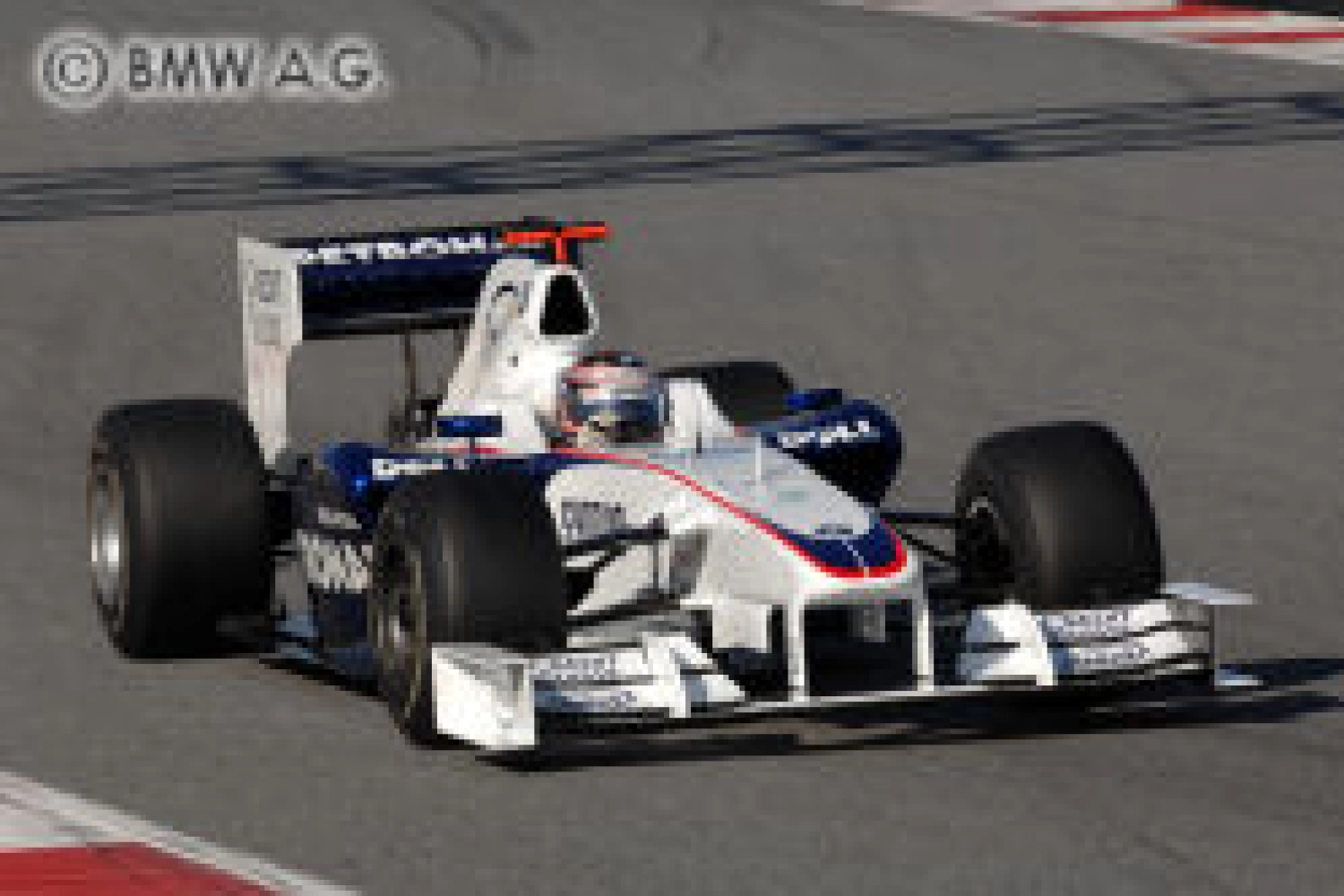
Last Monday, at the beginning of the tests, all eyes were on the BMW team. The German brand indeed made a strong impression by running with a hybrid single-seater, very different from the 2008 season.
Even though this new style of single-seater is not yet the most visually appealing, it perfectly meets the expectations of the new FIA (International Automobile Federation) technical regulations for the 2009 season. Formula 1 has been completely revised and corrected, and casinoenligne.uk.com presents you with the main changes illustrating this new regulation established to provide low-cost entertainment!

Aerodynamic support:
The FIA is determined to see a competitive championship in 2009, just like the past two seasons, but with added spectacle. Overtaking maneuvers have indeed become increasingly rare, and some top teams have too much of a technical advantage over others. The FIA aims to rebalance the field by implementing numerous changes that allow less competitive teams to find ways to improve their cars. It is statistically proven that the more the FIA changes the regulations, the less likely leading teams are to take the lead.

The front wing:
It was in 2008, 140cm wide, and located 15cm from the ground. With the new regulation, it will be 40cm wider and situated only 5cm from the track surface! The loss of front downforce compared to 2008 will not be very significant. However, the airflow will be less well distributed over the car, while the very low position of the wing will no longer allow going over curbs without risks…
Always with the aim of reducing downforce, biplane wings will no longer be allowed. A single wing divided into two, as shown in the image, will therefore be mandatory in 2009…
The rear wing:
At the rear, the opposite modifications to the front wing will be made. Thus, the rear wing measured 1 meter wide at a height of 80cm from the ground this season. In 2009, it will lose 25cm in width but will be positioned 15cm higher, presenting a very misshapen single-seater image…
Raising the wing should allow the following single-seaters to have a better drafting effect and therefore be able to overtake more easily.


The floor:
The single-seaters will now be able to use a wider and longer floor to improve their grip. It is longer than in 2008 and especially present even where there is no bodywork (example: behind the front wheels).
The Ban on Aerodynamic Appendages:
The loss of all aerodynamic appendages should allow for better penetration of the single-seater in the air, but it should also cause some aerodynamic disturbance issues around the sidepods and the engine.
This rule could allow teams to create a single-seater in one piece of carbon, thereby reducing their manufacturing and research costs.
The return of slick tires:
 Even though aerodynamic downforce will be significantly reduced next year, the FIA has thought of everything! Indeed, slick tires will be authorized again in 2009. Main consequence: increased grip; The drivers believe that the loss of downforce will be even compensated by the regained grip provided by these types of tires.
What is special about them? Nothing, on the contrary: their surface, as smooth as possible, offers 100% contact across the width of the tire between the track and the car, providing maximum grip.
The KERS:
The KERS (Kinetic Energy Recovery System) is, as its name suggests, a system that allows for the recovery of kinetic energy produced by F1 cars. The aim is to use the energy created during braking phases to power the engine by delivering more power.
Officially, the arrival of KERS will only be mandatory in 2011. Nevertheless, the FOTA, the new organization bringing together the F1 teams, has decided to encourage the introduction of KERS before this date. Most single-seaters will therefore be equipped with it as early as the 2009 season. BMW, for example, is already at a very advanced stage. McLaren, Ferrari, and Honda are following in the research and development of this environmental gem. The goal is, of course, to be able to produce it on a large scale one day in the automotive industry.