Interlagos as the highlight of this 2008 season
Interlagos is a circuit that combines tight hairpins with one of the longest straights of the season. A true natural track, Interlagos winds over 4.309km and is known for its bumpy surface, although the problem was partially resolved with new paving in 2004 and the track appeared to have benefited from similar treatment again last […]

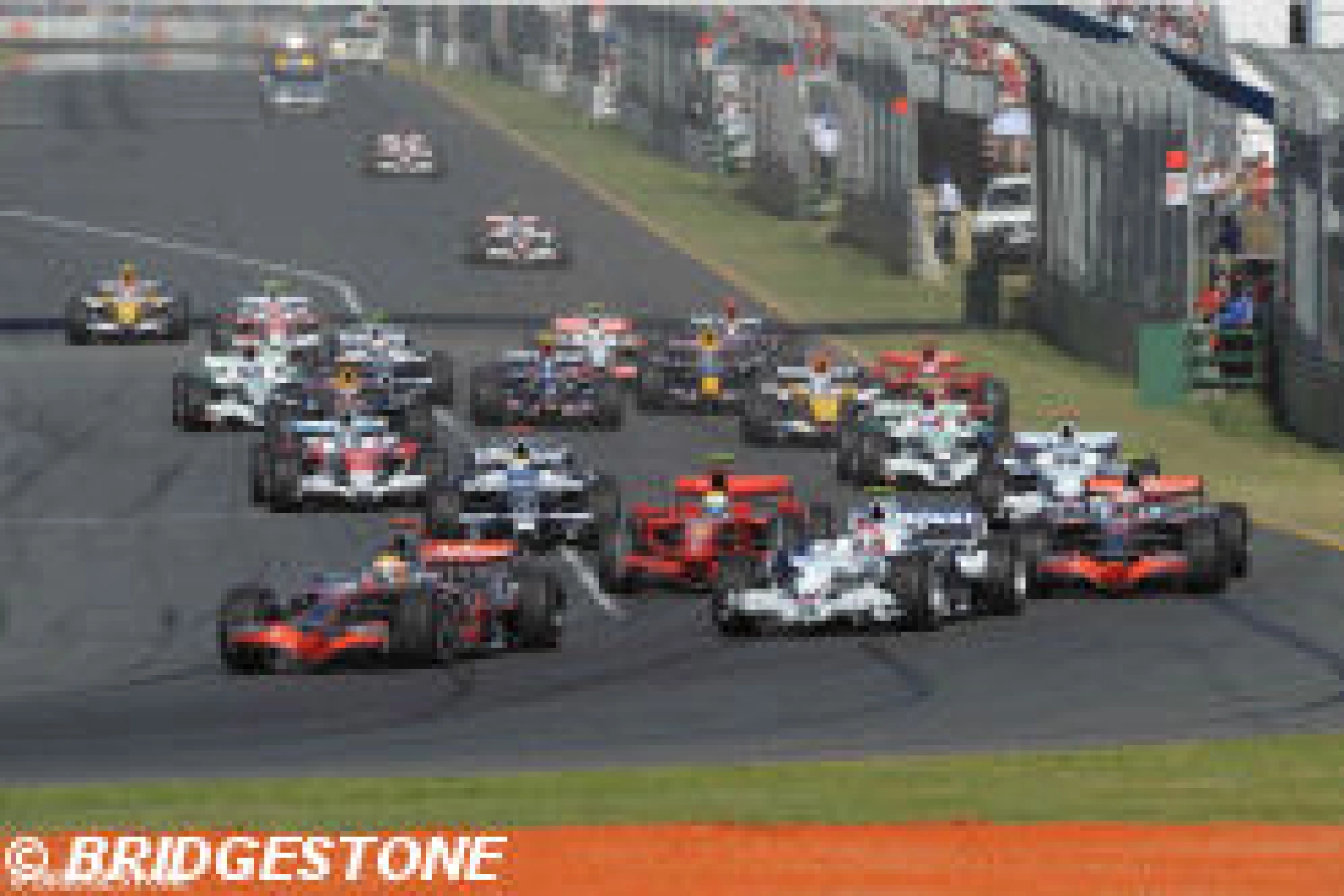
Interlagos is a circuit that combines tight hairpins with one of the longest straights of the season. A true natural track, Interlagos winds over 4.309km and is known for its bumpy surface, although the problem was partially resolved with new paving in 2004 and the track appeared to have benefited from similar treatment again last year. The physical demands of this circuit are particularly challenging because it runs counterclockwise, subjecting the drivers and especially their necks to forces opposite to those they usually experience. It is possible to overtake on this track, especially at the entrance to turn 1. The compromise in setup generally favors top speed on the straight rather than the best possible lap time: this gives drivers the chance to overtake… and not be overtaken during the 71 laps of the race.
Aerodynamics
The different constraints of Interlagos require almost opposite qualities from the cars. The first and last sectors are mainly composed of long straights, where a good top speed is essential to protect one’s position. This means a fairly minimal level of aerodynamic downforce is required. However, the second sector consists of rather slow corners, demanding high downforce to provide grip for acceleration, braking, and cornering. Balancing these two requirements results in an optimal downforce level aimed at achieving the best possible lap time. However, this optimum must also take into account the other competitors. To defend one’s chances and attempt to overtake in turn 1, one needs to be fast at the end of the straight: therefore, reducing downforce is necessary. This means using a downforce level close to what’s needed for the Bahrain circuit.
Focus
It is difficult to find a good compromise in this area, once again due to the opposing characteristics of Interlagos. As with the aerodynamic sector, choices must be made, and priority given to certain sectors. The most important corner at Interlagos is turn 12, which determines the top speed along the long main straight, uphill. Therefore, we pay close attention to the exit of this corner, but this can generate some understeer in the tight corners of the second sector. However, what is lost on this occasion is well worth the gains made by a good passage in the third sector. The second important parameter to consider is the track surface. Interlagos was traditionally very bumpy, but the new surface laid last year allowed teams to use lower ride heights. The situation could be even better this year. The circuit does not put the brakes under severe stress but features three significant deceleration points. The energy demand in this area is comparable to Barcelona.
Tires
Interlagos has few high-speed corners that subject the tires to high lateral forces. Given that the surface is not abrasive, relatively soft tires can be used without issue. Therefore, Bridgestone will bring the medium and soft compounds from its 2008 Potenza range.
Engine
The long main straight of Interlagos demands a lot of power, and the longest period of full throttle exceeds 15 seconds. All engines will also need to be adapted to the constraints of altitude because the circuit is situated 800 meters above sea level. The lower atmospheric pressure results in a power loss of about 7%. Therefore, the 60% of the lap spent at full throttle corresponds to 56% at sea level. This situation makes life easier for certain mechanical components, such as pistons. However, other components, like the crankshaft, are still highly stressed. Progressivity is also an important factor, especially in the second sector. Drivers use the lowest gears in this area, with sharp changes of direction and quick actions on the brakes and throttle. The gradual delivery of power can have a real impact on the car’s balance, allowing drivers to use the optimal trajectory in this sector.
According to a press release from the Renault F1 Team