Singapore GP – The New Street Circuit
The first night race, the first race in Singapore, the first urban Formula 1 circuit in Asia… Formula 1 is preparing for a weekend of a Grand Prix full of new features that promises to be spectacular! The circuit, over 5 kilometers long, will take some of the most beautiful routes in the city, such […]

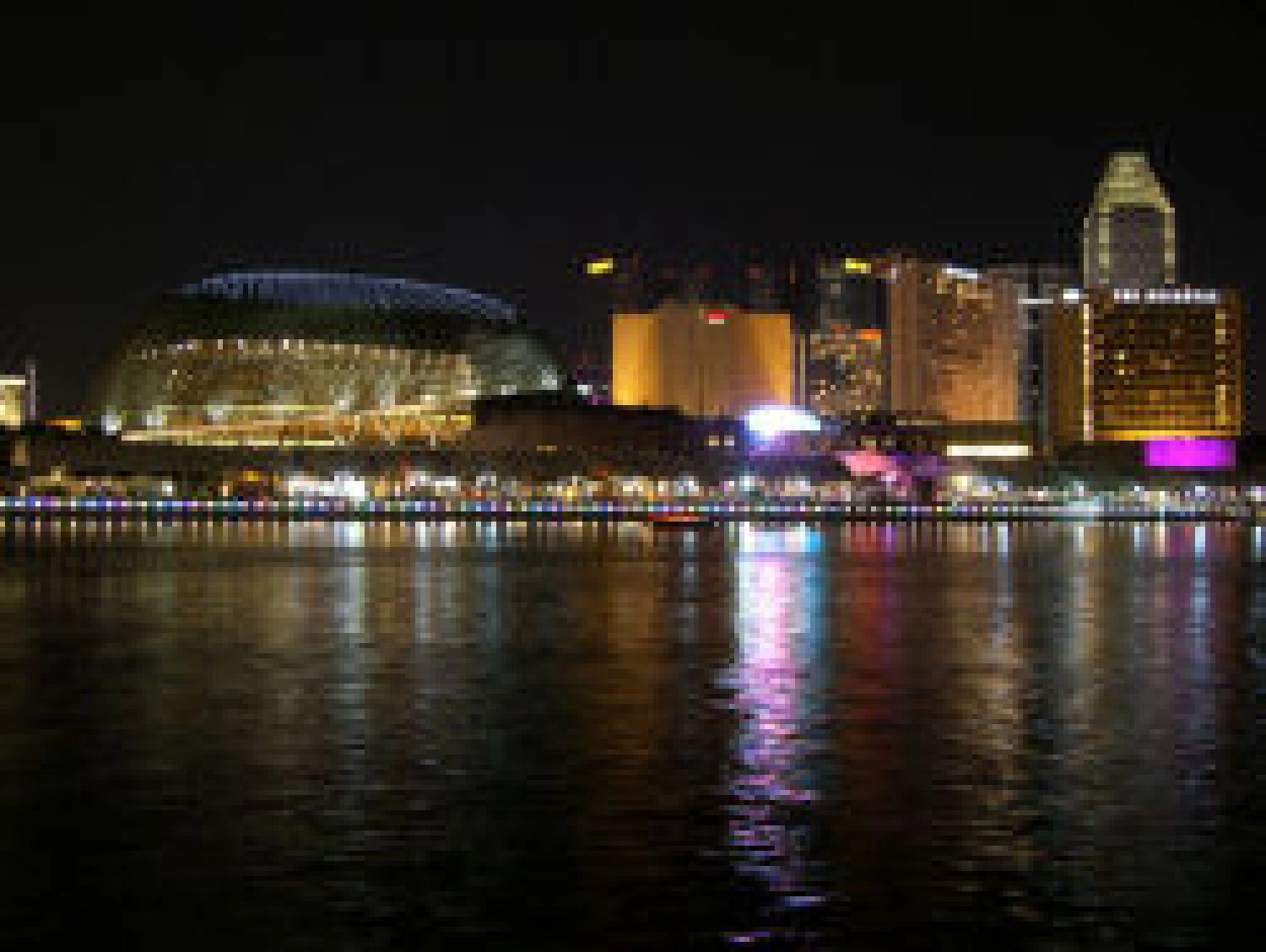
The first night race, the first race in Singapore, the first urban Formula 1 circuit in Asia… Formula 1 is preparing for a weekend of a Grand Prix full of new features that promises to be spectacular! The circuit, over 5 kilometers long, will take some of the most beautiful routes in the city, such as Raffles Boulevard and Anderson Bridge.
Running at night is undoubtedly the biggest novelty of this Grand Prix! The timing of this rather atypical race will allow European and Asian supporters to enjoy this spectacle and makes Singapore an apparently highly anticipated event for all motorsport enthusiasts.
The Singapore circuit, 5.1km long, seems to be one of the slowest of the season, and teams are expected to opt for their high downforce aerodynamic packages as a result. In terms of timing, lap times have been estimated around 1’45. This is not the first circuit that the ING Renault F1 Team will have had to discover this season, and with this in mind, the team has conducted numerous simulations and already has a good idea regarding the setup of the F1 cars. However, the first runs on Friday will be necessary to proceed with the first real-size tests and thus gain a better understanding of the circuit and its demands.
Tires
As in Monaco, the expected grip level in Singapore is relatively low. Bridgestone has therefore chosen to supply the teams with the soft and extra-soft tires from its 2008 range, very similar to those used in Monaco, Budapest, and Valencia earlier this year. This will allow for a reasonable grip level given that the track will likely be very dirty and thus slippery at the beginning of the weekend. However, as with all temporary circuits, the grip level will improve as the sessions progress.
Aerodynamics
After Monaco, Singapore is the second slowest circuit in the championship. The team will therefore opt for a high downforce aerodynamic package to ensure good car stability during braking and optimize its traction when exiting slow corners.
Brakes
Preliminary simulations suggest that the circuit will apparently be tough on the brakes, with wear similar to that experienced by braking systems in Melbourne. It is not so much the severity of braking as the frequency that makes Singapore a challenging test for the brakes. Special attention will therefore be paid to cooling the braking systems.
Suspensions
The suspension setup is undoubtedly the most delicate thing to do based solely on simulations when discovering a new circuit. However, as with all street circuits with a high number of slow corners, mechanical grip will be crucial, and the team will likely dedicate a significant portion of their technical program to it at the start of the weekend. The goal will be to provide the drivers with suspensions that are soft enough to ensure an effective car on exit and stable when passing curbs and other bumps.
Engine and gearbox
Urban circuits tend to be less demanding on the engine given the time at full load to which the block is subjected, but it can still be put to the test since it is used in permanent on-off mode. Short gear ratios will be used to optimize re-acceleration and get the best out of the engine right from low revs.
*According to a press release from the Renault F1 Team*