European GP – New twists and turns in prospect…
Located on the marina in Valencia, this new track promises to be one of the attractions on the calendar in the coming years. Surrounded by concrete walls, the circuit features nearly 25 turns and combines high and medium-speed curves while being wide enough to offer several overtaking zones. A good top speed and good braking […]

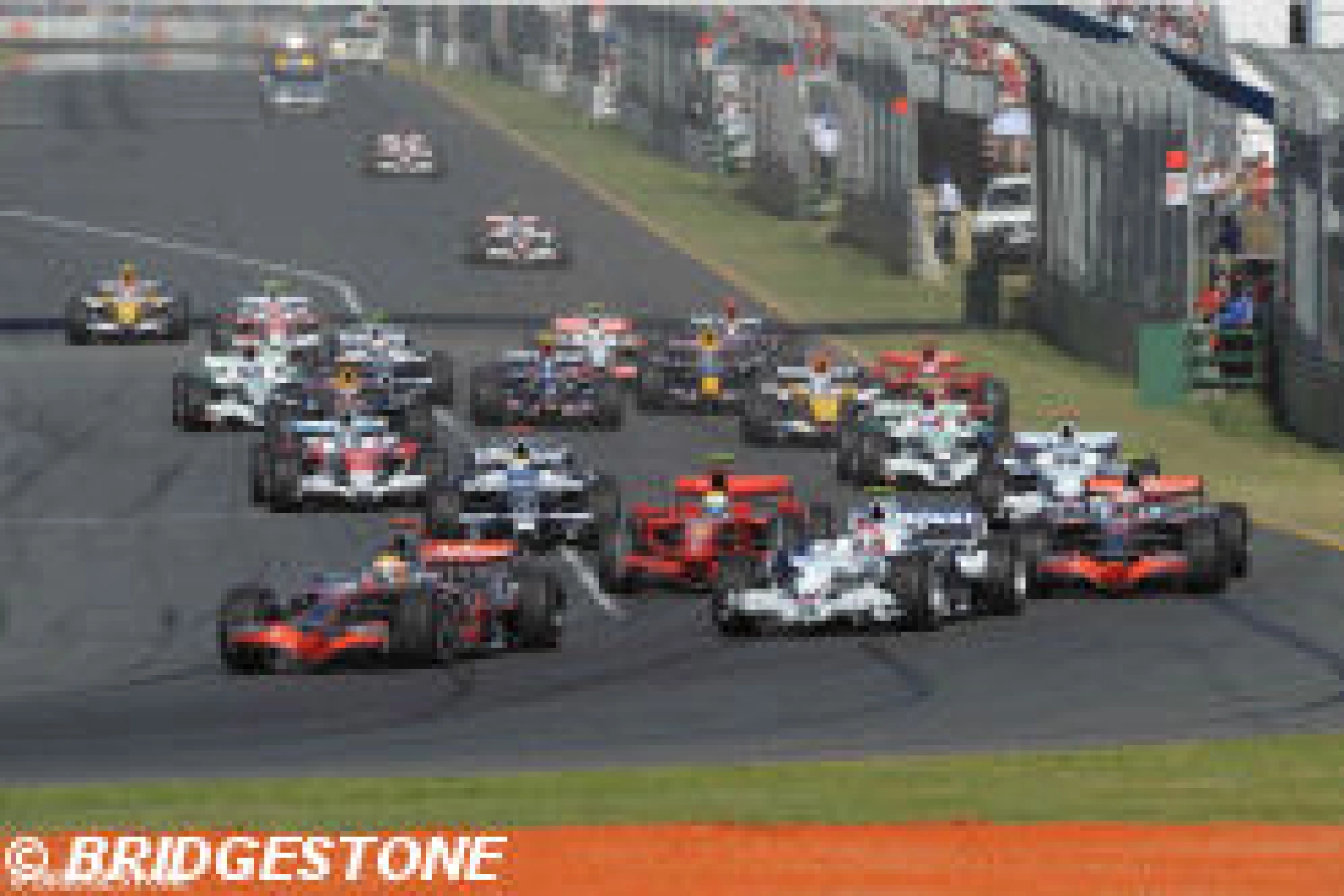
Located on the marina in Valencia, this new track promises to be one of the attractions on the calendar in the coming years. Surrounded by concrete walls, the circuit features nearly 25 turns and combines high and medium-speed curves while being wide enough to offer several overtaking zones. A good top speed and good braking stability will be crucial, as well as a good level of mechanical grip to perform well throughout the entire lap.
Aerodynamics:
The design of the track means that the teams will opt for a relatively low level of onboard downforce, similar to what was used in Montreal during the last Canadian Grand Prix. This setup is indeed possible because there are no very high-speed corners, and good top speed will be essential for the long straight. However, teams won’t be able to finalize their aero package until the end of the practice sessions as the track’s grip level will change significantly throughout the weekend.
Brakes:
The circuit is expected to be particularly demanding on the brakes, similar to Bahrain. There are several major braking zones at over 300 km/h, such as turns 12 and 17, second-gear corners that will pose a real challenge for the braking systems of the cars. Cooling will therefore require special attention, and teams will most likely opt for relatively large brake ducts.
Focus:
Drivers will need a responsive and well-balanced car to handle the numerous changes of direction on this track. But, as always, it will be about finding the best compromise between a well-balanced car and a sufficiently soft suspension to optimize mechanical grip, especially when exiting slow corners. Drivers will have to ride over a few curbs, mainly on the exit, but it’s not expected to be a major challenge of this circuit, so it won’t be a determining factor in car setup. Good braking stability, on the other hand, will be essential, especially at the end of the straight, to avoid wheel lock-ups that could be dramatic due to the proximity of the walls and the size of the run-off areas.
Tires
Bridgestone will supply the soft and extra-soft tires to the teams on the grid for this twelfth event of the world championship, as was already the case in Hungary. This range should offer a better level of grip, especially since the surface will likely be very slippery at the start of the weekend. But like any street circuit, the track will evolve significantly throughout the sessions and will accumulate rubber. We will have to wait for the initial runs to assess the general level of abrasion on this circuit.
Engine:
Straight lines, medium-speed chicanes, and hairpins make Valencia a circuit where the engine will be used in on-off mode. With 55% of the lap at full throttle, which is below the championship average, this track should not be too demanding on the engine block. Since there is no real peak power required, the key to a good lap time will rely more on torque and good acceleration out of the slow corners that lead onto the long straights. A well-balanced car will help limit understeer in slow corners and allow the driver to accelerate early, which will be more important and effective from a timing perspective.
According to a Renault F1 Team press release