Full focus on the Montreal circuit in Canada!
The Gilles Villeneuve Circuit in Montreal is a temporary circuit. The long straights are synonymous with heavy braking, and the numerous slow corners require excellent traction and a torquey engine to allow the single-seaters to be very fast on the exit. A high-performance car will give drivers the confidence needed to brake late, and for […]

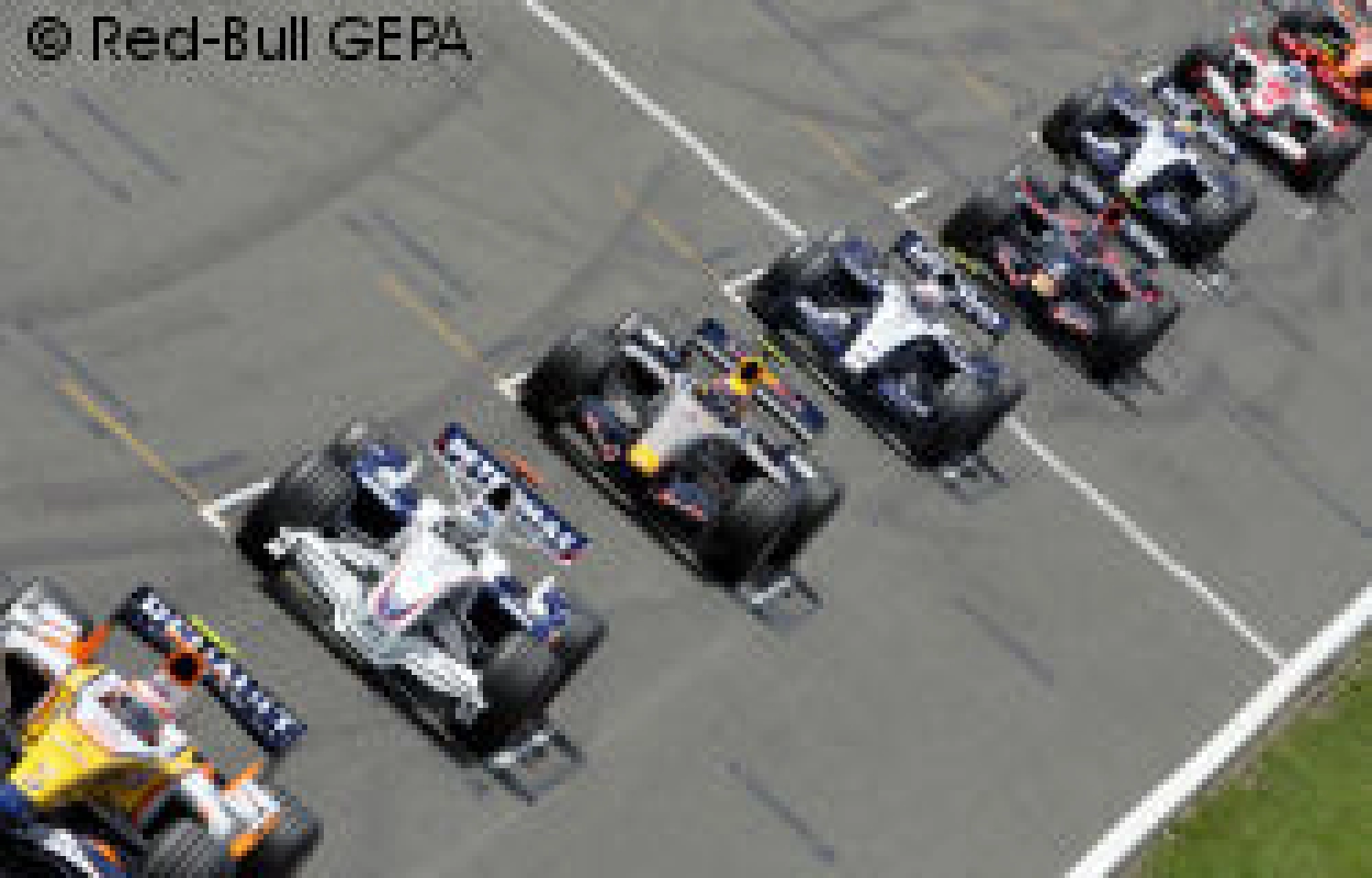
The Gilles Villeneuve Circuit in Montreal is a temporary circuit. The long straights are synonymous with heavy braking, and the numerous slow corners require excellent traction and a torquey engine to allow the single-seaters to be very fast on the exit. A high-performance car will give drivers the confidence needed to brake late, and for this new event, teams will once again use the softest Bridgestone Potenza tires.
Aerodynamics:
Montreal will be an opportunity for teams to use their new low-downforce aerodynamic package. It can be considered that this track does not have a fast corner, with turn number 5 comfortably taken flat out in fifth or sixth gear. The main concern for aerodynamicists will be to minimize drag to optimize top speed on the straight (with maximum speeds here exceeding 320 km/h), while the aerodynamic downforce will help gain stability, particularly during braking and in slower chicanes. A low-downforce aerodynamic package means that drivers will need to be more delicate with the steering, as well as with braking and re-acceleration.
Suspensions:
The car must be particularly responsive to changes of direction in chicanes while ensuring good stability during braking and good traction when exiting slow corners. When adjusting the suspensions, it is also necessary to consider the potential risk of wheel lock-up during braking, as repeated lock-ups could be very penalizing in terms of lap times.
Brakes:
Like Monza or Bahrain, Montreal is one of the most demanding circuits of the season when it comes to brakes. If overheating of the braking system is not the main concern, since the discs and pads have time to cool down in the long straights of the Gilles Villeneuve track, it is their wear that will need to be monitored. With four braking zones over 300 km/h and two others over 250 km/h, it is the basic wear of the discs and pads that teams will have to monitor throughout the sessions and especially during the race.
Tires:
The temporary nature of this circuit means that the track is particularly slippery at the beginning of the weekend, with the level of grip improving as time goes on, a situation we have recently encountered on the streets of Monaco or Melbourne at the start of the season. The track is not abrasive, and the absence of fast corners means that the energy exerted on the tires is among the lowest on the calendar. Consequently, teams will use the soft and extra-soft tires from the Bridgestone 2008 range, as was already the case in Monaco.
Strategy:
The strategies generally adopted for the Canadian Grand Prix range from 1 to 3 stops, although considering the 2008 regulatory scenario, the strategy likely to be most effective this season is the 2-stop strategy, as has been the case at every Grand Prix since the beginning of the year. The absence of high-speed corners reduces the impact of the fuel load carried (time lost depending on the fuel load carried), which, combined with low consumption, lessens the impact of carrying more fuel during qualifying. The team will also need to keep in mind the possible deployment of the safety car, and a flexible strategy could therefore prove advantageous on Sunday afternoon.
Engine performance:
The engine spends about 60% of the lap at full load, which is not one of the highest rates in the championship, but the longest sector at full power lasts 14 seconds, which is particularly high and therefore places this track among the most demanding on the calendar. Cooling the engine block is generally not a problem here due to the many long straights, but debris and cut grass on the track can block the radiators and thus limit cooling efficiency; this will therefore be a point to monitor and actions may be considered during pit stops to clear these debris.
According to a Renault F1 press release