Change in the rules to determine the world champion?
Formula 1 chief Bernie Ecclestone wants to change the ranking rules to ensure that the driver who wins the most races secures the title at the end of the season. I often wondered last season about the battle between McLaren and Ferrari. If we look past the espionage affair, the top three in the standings […]

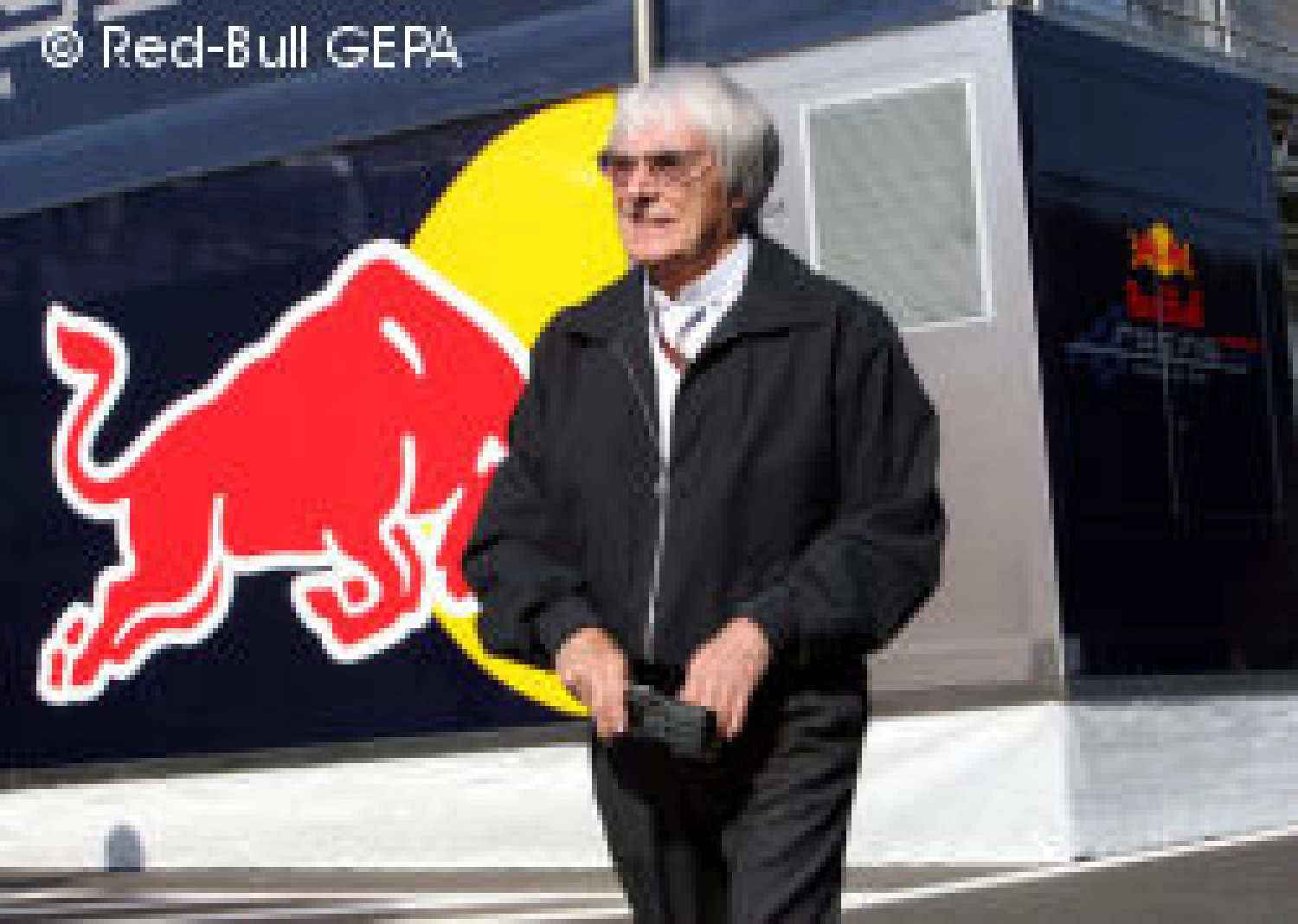
Formula 1 chief Bernie Ecclestone wants to change the ranking rules to ensure that the driver who wins the most races secures the title at the end of the season.
I often wondered last season about the battle between McLaren and Ferrari. If we look past the espionage affair, the top three in the standings were very close. It is my intention to highlight this idea in the coming weeks, declared Ecclestone to Britain’s Mail on Sunday.
The newspaper claims that Ecclestone wants, with this new regulation, to force drivers to take more risks, rather than maintaining a system that awards 10 points for a victory and eight for second place.
« At the moment there are not enough overtaking maneuvers in this sport because the drivers are content not to take risks and remain comfortably in their second place. This is only worth two points less than first place. »
« What I want to see is a winner who has won the most races, and second place should only be used if the top two finish the season with the same number of victories, » added the 77-year-old Briton.
Despite these comments, since 1989, the Formula 1 World Champion driver title has been awarded to the driver with the most race wins in the championship.
That year, the Frenchman Alain Prost won the title with only four victories in total, compared to six for his teammate Ayrton Senna.