Kubica: « The F1.08 is difficult to drive »
Robert Kubica from BMW said that the 2007 car was easier to drive and set up than the F1.08 of this season. He also specifies that some of the problems with the new car are likely to take some time to be resolved. « There are one or two things that have been improved, but […]

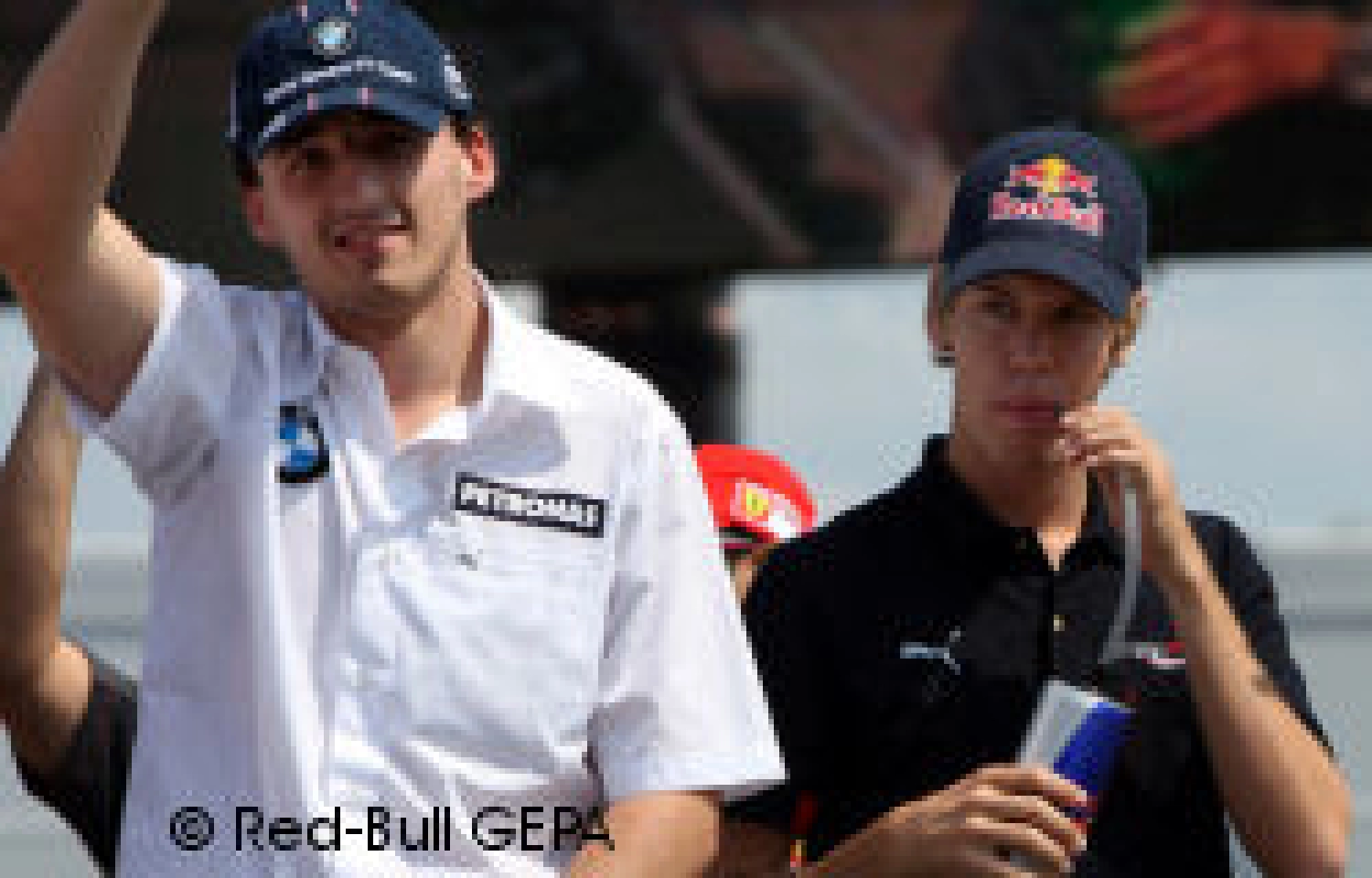
Robert Kubica from BMW said that the 2007 car was easier to drive and set up than the F1.08 of this season.
He also specifies that some of the problems with the new car are likely to take some time to be resolved.
« There are one or two things that have been improved, but there are still certain questions that I think won’t be easy to answer, but of course, the car is more efficient, » said Kubica.
« I think half of the problems are known but the other half is there and we cannot correct them quickly if we want to find a balance on the car. »
« Precisely on that subject, it’s not easy to find a certain balance. I think that last year, the F1.07 was easier to drive and set up than this year’s, » he continued.
The team had a difficult start with its F1.08 during winter testing, with those eternal balance issues hindering progress.
The Pole admits that it is difficult to predict the team’s level of competitiveness for the start of the season in Melbourne.
It is difficult to compare, but I think that during the last tests, we were not working on competitiveness. We just had to try to do our best, get the most out of our car, and learn new things.
« But there are still several things that are very positive, particularly from a mechanical point of view, which makes our car a faster and easier single-seater to drive. It’s very positive, » he concluded.