Alonso wishes for a change in the qualifying format on certain circuits
The Spanish driver believes that on circuits where it is difficult to manage the traffic, F1 should return to an old format. That is, one warm-up lap, one qualifying lap, and then the drivers return to the pit lane.

This is one of the issues on urban circuits. But not only that. Slow cars can be dangerous and prevent some drivers from achieving a good lap time. We saw it again during this Singapore Grand Prix, where Max Verstappen hindered his fellow drivers three times. This situation cost Yuki Tsunoda dearly, as he was unable to get a valid lap during Q2.
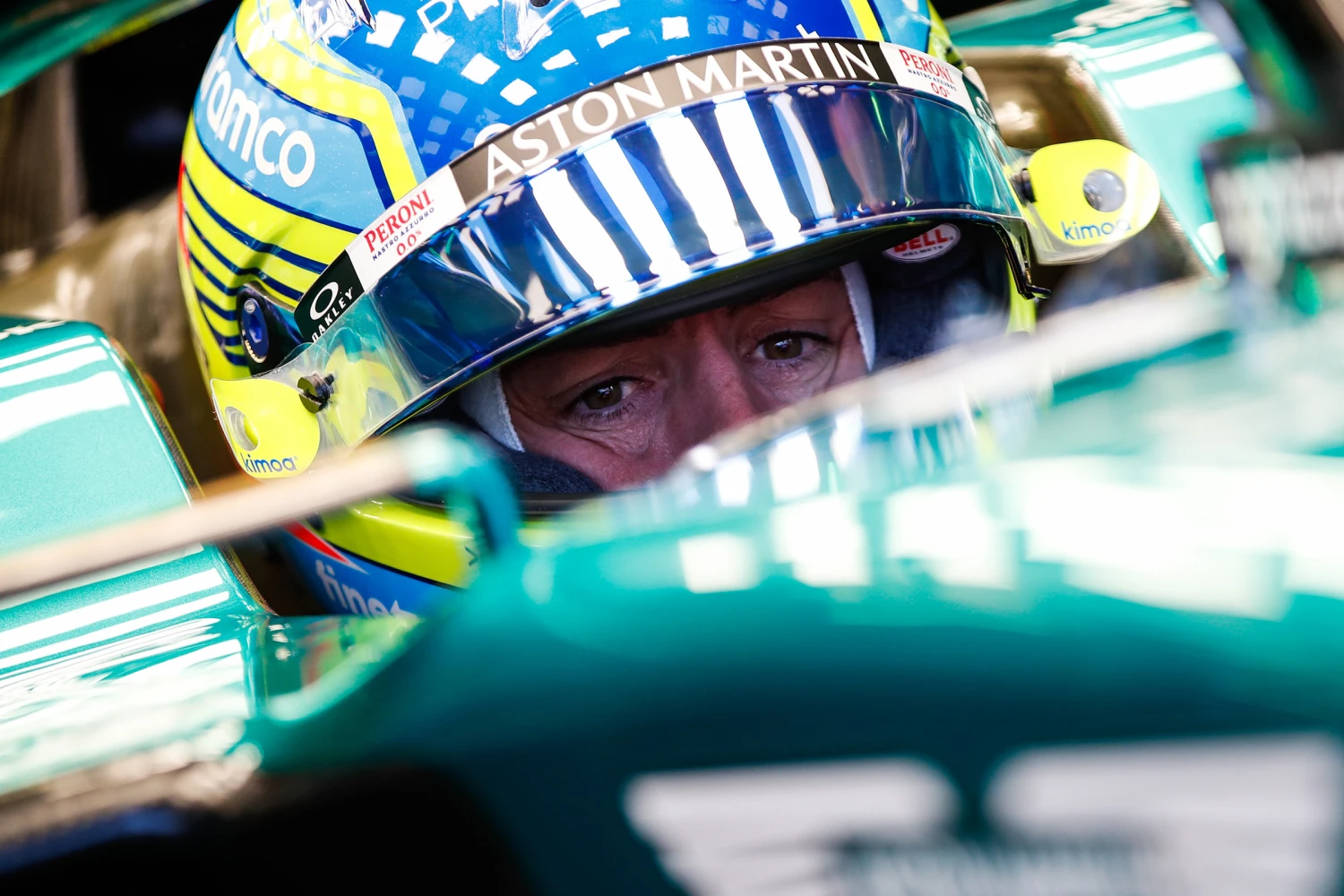
Although the FIA has introduced a rule with a maximum time to be respected on the track, the problem persists. Fernando Alonso believes that the governing body should turn to another solution. « It is a difficult job to manage traffic on an urban circuit, and I have often said that there is only one solution: individual time trials. We can test all the other solutions, but they will never work. », according to the Aston Martin driver.
An outdated format
According to the Spanish, the current format with three sessions has become obsolete. It has been the same for 20, 25 years now, but the cars are no longer the same. Indeed, the latter was introduced in 2006 by F1, with some minor modifications over the seasons.
« We have hybrid engines, we have to recharge, we have to cool the tires. So the only way to prepare everything is to do a lap of the circuit », says the two-time world champion.
With the format proposed by Fernando Alonso, drivers will have to show their best face. First, during the warm-up lap to properly prepare the tires. Then, by not making any mistakes during the flying lap.