The FIA is going to introduce a new yellow flag
Starting from this weekend, the FIA has decided to implement a new safety rule. The global body will introduce double yellow flags, which will aim to impose a speed limit in the indicated zone.

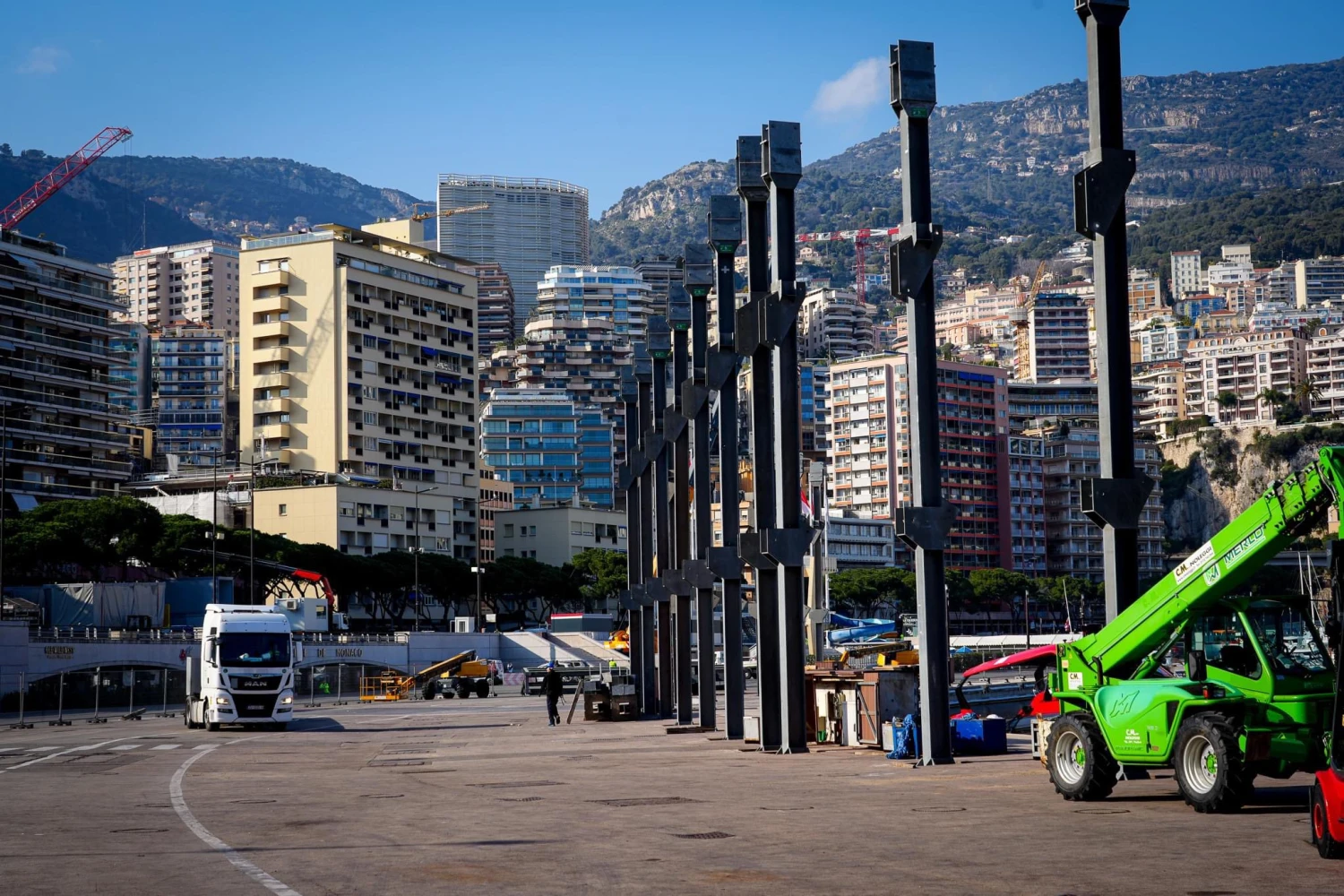
Starting from the Monaco Grand Prix, the FIA has decided to add a rule regarding yellow flags, safety car and virtual safety car. New safety measures will be implemented to ensure better management of race incidents. That is why the FIA has decided to add double yellow flags that will be waved during accidents.
New flags for safety
These yellow flags will be used during safety car periods or during the deployment of the virtual safety car. When these new flags are waved, the delta, the time per lap that drivers must adhere to, will be reset and the cars will be forbidden to exceed a speed limit that will be indicated to them. This may remind us, closely or remotely, of the slow zones that exist in endurance racing.
For years, we used safety cars and the virtual safety car with time references that referred to a speed limit that we have on a lap around the track. […] But in certain situations, the cars could legitimately increase their speed to make up for lost time due to this time reference, explains Tim Goss, technical director of the FIA.
Remedying dangerous situations
In the past, these directives have led to several dangerous situations on the track, even when the safety car was deployed. The most recent one was Pierre Gasly’s at Suzuka. The Frenchman, then with AlphaTauri, was trying to catch up to the line, several hundred meters ahead of him, in heavy rain. But during this recovery, Pierre Gasly spotted a crane on the track while the drivers were still on the track. A scene that brought back memories of the tragic event involving Jules Bianchi.
What we want to do now is to expand the use of the delta [system] to ensure that cars are strictly slowed down when double yellow flags are waved. Therefore, we are introducing a speed limit not to be exceeded in the areas affected by the flags, added the FIA’s technical director.
No change for the drivers.
For the drivers, almost nothing will change. Just like it is currently for the safety cars, the drivers will receive the information through their steering wheel, in addition to the flags waved on the trackside. When a driver enters a double yellow flag zone, what they will see on their steering wheel is a zero, which means that the delta is reset. Therefore, they will have to drive below the speed limit, which will also be indicated on their steering wheel, added Olivier Hulot, F1 electronics director at the FIA.
This technique has a negative aspect. It could be uneven depending on the competitors. « If a driver enters a double yellow flag zone, but one of their competitors does not, they will inevitably lose time ». But the FIA denies this: « What matters to us is the safety of everyone. When there is a danger on the track, or when a marshal is on the circuit, we must minimize the risks no matter what happens », added Olivier Hulot.