2018 Season: What Changes in the Regulations?
With each new year come regulatory changes: MotorsInside helps you review the regulatory modifications in 2018.

If the basis of the regulations remains identical to the year 2017, many developments, noticeable or not, are appearing in the regulations.
Farewell to shark fins and T-Wings
Last year saw the emergence of very noticeable shark fins on all the single-seaters, used to stabilize the airflow towards the rear of the car. These fins, located at the end of the car’s engine cover, were combined with the T-Wing, placed slightly in front of the rear wing, creating a higher level of downforce. While teams showed various solutions for these last year, the area where the T-Wing was located has been modified in the regulations, preventing its future use. As for the shark fins, while many teams wanted their return in 2018, others opposed it, seeing them disappear along with their promotional space.
Welcome to the Halo
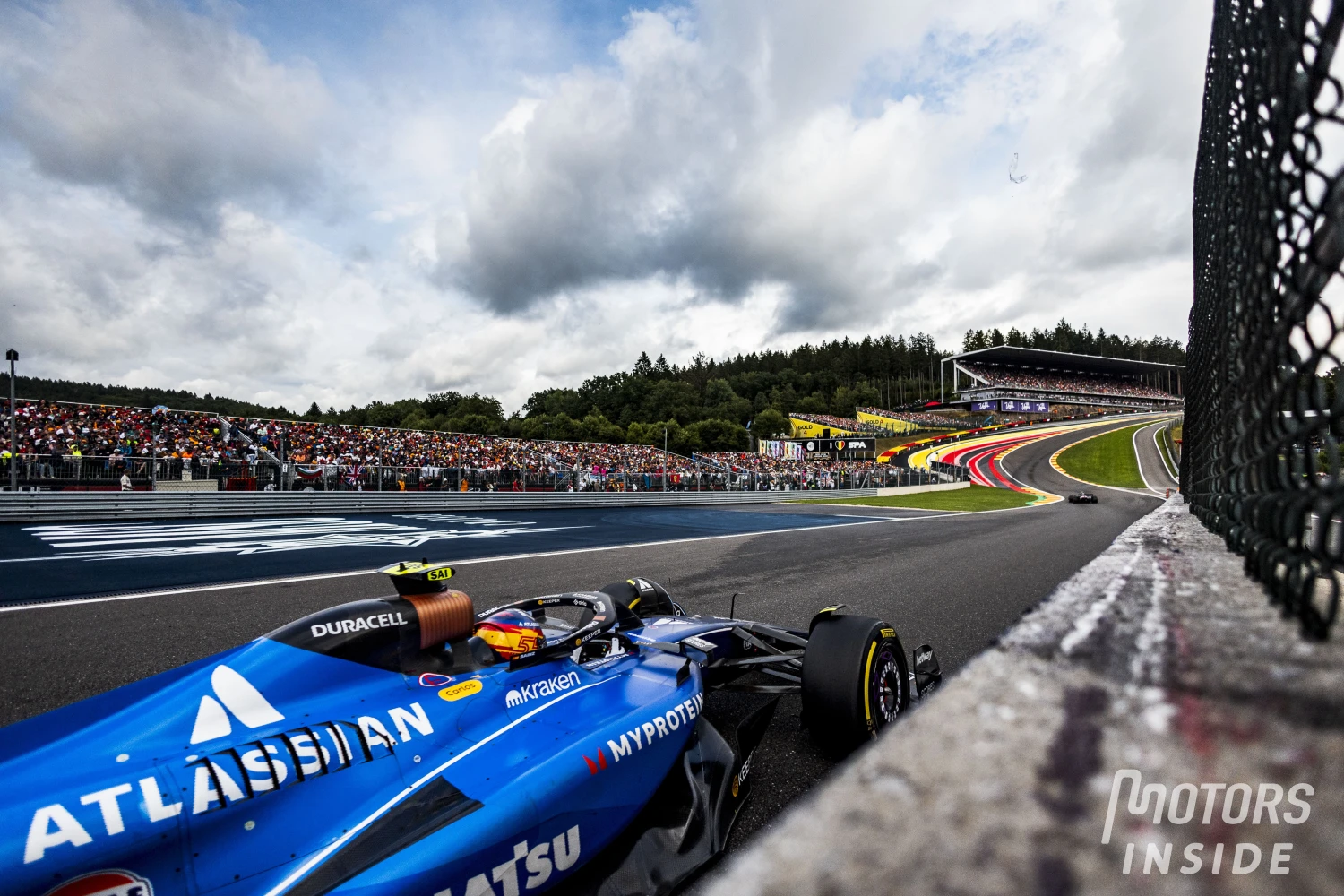
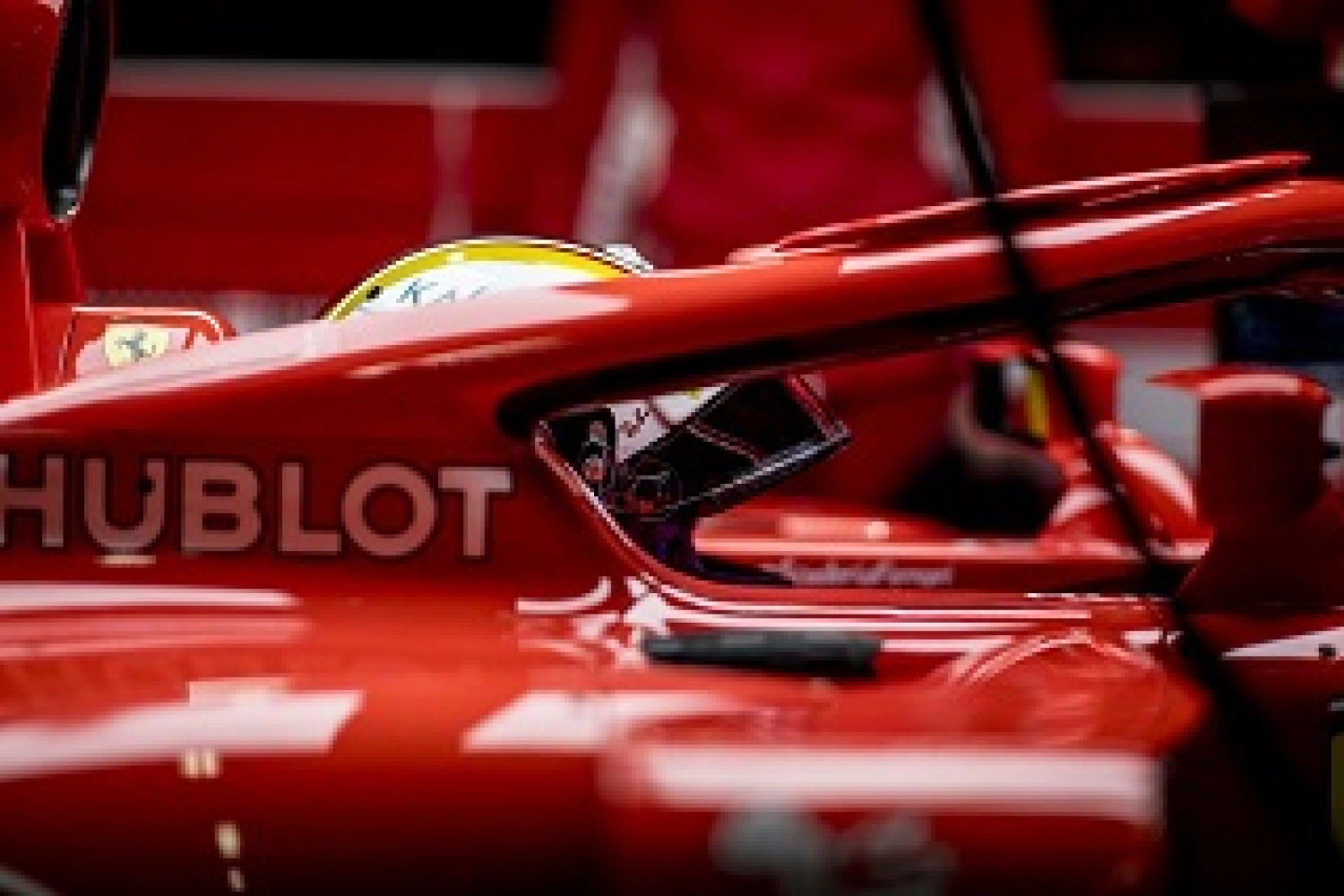
Following the requests made by the GPDA in 2015, the Halo, which we saw tested multiple times last year, is making its appearance on the 2018 single-seaters, at the expense of the Aeroscreen, whose concept has not been deemed mature enough for the moment.
If the Halo structure is identical for all teams, who can procure it from three suppliers, it is possible to add a plethora of aerodynamic components to counterbalance its negative effect on airflow, as Renault ingeniously did. This Halo has increased the weight of the cars by several kilos, significantly altering the center of gravity of the cars and disadvantaging the heavier drivers (which will no longer be an issue next year).
Modification of suspensions
A small rule change, but one that could have significant repercussions, is a change in the regulations surrounding suspensions. Ferrari and Red Bull have used a system that supposedly allows the ride height of the car to be adjusted based on the steering angle, providing an aerodynamic advantage. The use of this system will now be prohibited.
Objective: reliability
In order to reduce costs and with the intention of forcing manufacturers to improve the reliability of their engines, each driver will see their engine allocation reduced from 4 new element uses to 3 this year, with an additional Grand Prix to complete. However, the regulations are even stricter with parts like the electronic control unit, the battery, or the MGU-K, which will be limited to two elements per season. Upcoming engine developments during the season will therefore need to provide a definite advantage before being introduced, and the reliability of the components will be severely tested.
However, the teams powered by Renault were reportedly planning to voluntarily incur penalties, in order not to hinder the engine development pace, which is lagging behind Mercedes and Ferrari.
Simplification of grid penalties
Some 2017 Grand Prix events saw penalties stack up on the grid, with almost half of the drivers penalized for engine changes: furthermore, these changes did not result in the same penalties, and moving from the qualifying standings to the starting grid was sometimes a puzzle for spectators, but also for the participants themselves.
This year, a driver who receives a penalty of 15 places or more will have to start from the back of the grid. If more than one driver is affected during a Grand Prix, the order of these drivers will be the order in which they changed these elements.
Pirelli diversifies further
Just like in 2017, Pirelli will offer teams the choice of three types of slick tires ahead of the Grand Prix, with each driver having their selection of tires within the ranges. The overall range has been expanded with two new tires: the Ultra Soft, pale pink, seen in action during winter testing, and the Super Hard, orange, which should serve as a backup tire according to Pirelli. On this occasion, the hard tire will be light blue. Each of these tire ranges is a notch softer than last year: the soft tire of 2017 has become the medium tire of 2018 and vice-versa, aiming to offer maximum performance and a bit more pit stops, as Pirelli intends.
The list of his choices are: Hyper soft (pink), Ultra soft (purple), Super soft (red), Soft (yellow), Medium (white), Hard (blue), Super hard (orange).
Standing starts after red flags
If conditions permit, race control may request a new standing start after a red flag.
Romain Grosjean, director of the GPDA, expressed concern on this subject, believing that the tires will not be warm enough after the lap behind the safety car following the red flag.