The 2018 Formula 1 season calendar has been unveiled
The FIA has unveiled the provisional calendar for the 2018 Formula 1 season, which will feature 21 races. As expected, France and Germany will have their Grand Prix again, at the expense of Malaysia.

The World Motor Sport Council of the FIA, which was held today, has approved the Formula 1 calendar for the 2018 season.
This one includes 21 Grand Prix, the same number as the record from the 2016 season. France is making its grand return on the weekend of June 22-24 at the Circuit du Castellet in Var, as is Germany, which will have its race on the weekend of July 20-22 on the Hockenheim track.
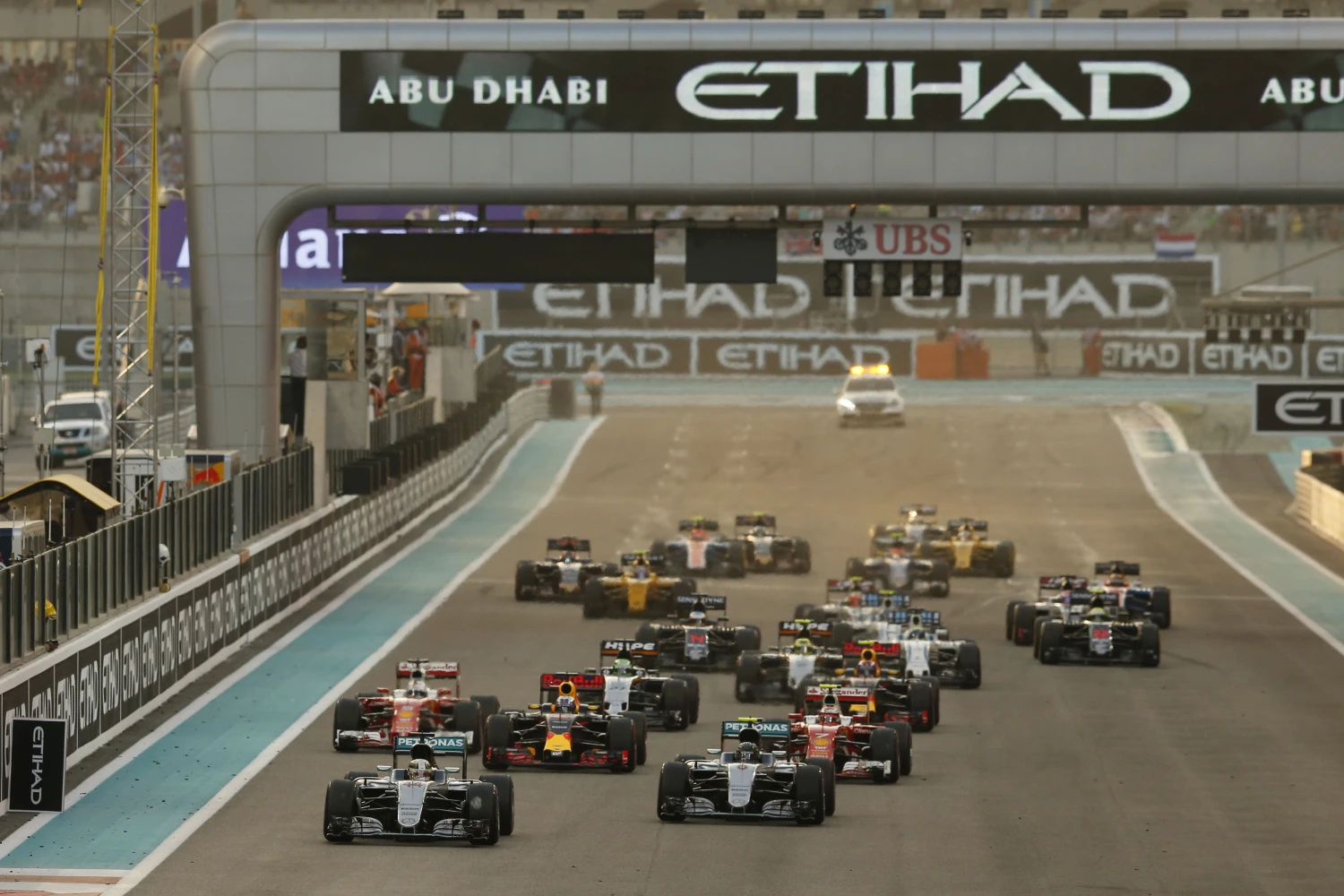
As expected, Malaysia disappears from the calendar. Russia regains a spot at the end of a season that will start the weekend of March 23-25 with the Australian Grand Prix and will conclude the weekend of November 23-25 in Abu Dhabi.
The new owners of Formula 1 wanted to unveil this calendar as quickly as possible to better prepare for the events planned throughout the year, always with their desire to increase the discipline’s attractiveness worldwide.
The full schedule of the 2018 season:
March 25: Australia (Melbourne)
April 8: China (Shanghai)
April 15: Bahrain (Sakhir)
April 29: Azerbaijan (Baku)
May 13: Spain (Barcelona)
May 27: Monaco (Monaco)
June 10: Canada (Montreal)
June 24: France (Le Castellet)
July 1st: Austria (Spielberg)
July 8: Great Britain (Silverstone)
July 22: Germany (Hockenheim)
July 29: Hungary (Budapest)
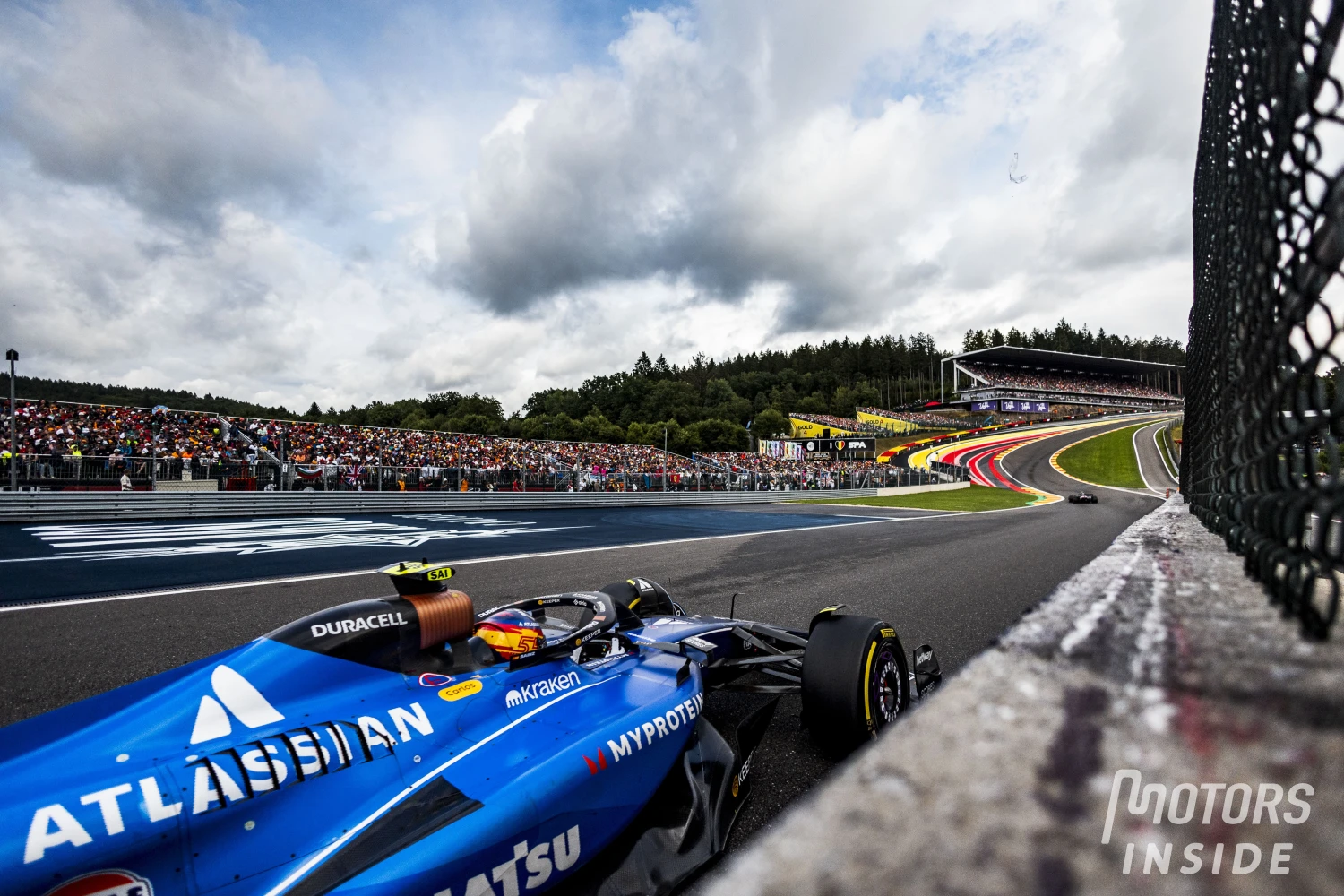
August 26: Belgium (Spa-Francorchamps)
September 2: Italy (Monza)
September 16: Singapore (Singapore)
September 30: Russia (Sochi)
October 7: Japan (Suzuka)
October 21: United States (Austin)
October 28: Mexico (Mexico City)
November 11: Brazil (Sao Paulo)
November 25: Abu Dhabi (Yas Marina)
2018 #F1 CALENDAR
21 RACES
8 MONTHS
5 CONTINENTS 🌎 🌍 🌏
1 CHAMPIONSHIP pic.twitter.com/TRkC2tO0o6
— Formula 1 (@F1) 19 juin 2017