Three F1 cars per team: A decision in two or three races, according to Ecclestone
In the paddock of the Singapore Grand Prix, Bernie Ecclestone revisited the possibility of introducing an additional car per team in 2015, estimating that a few weeks would be needed before it could be contemplated.

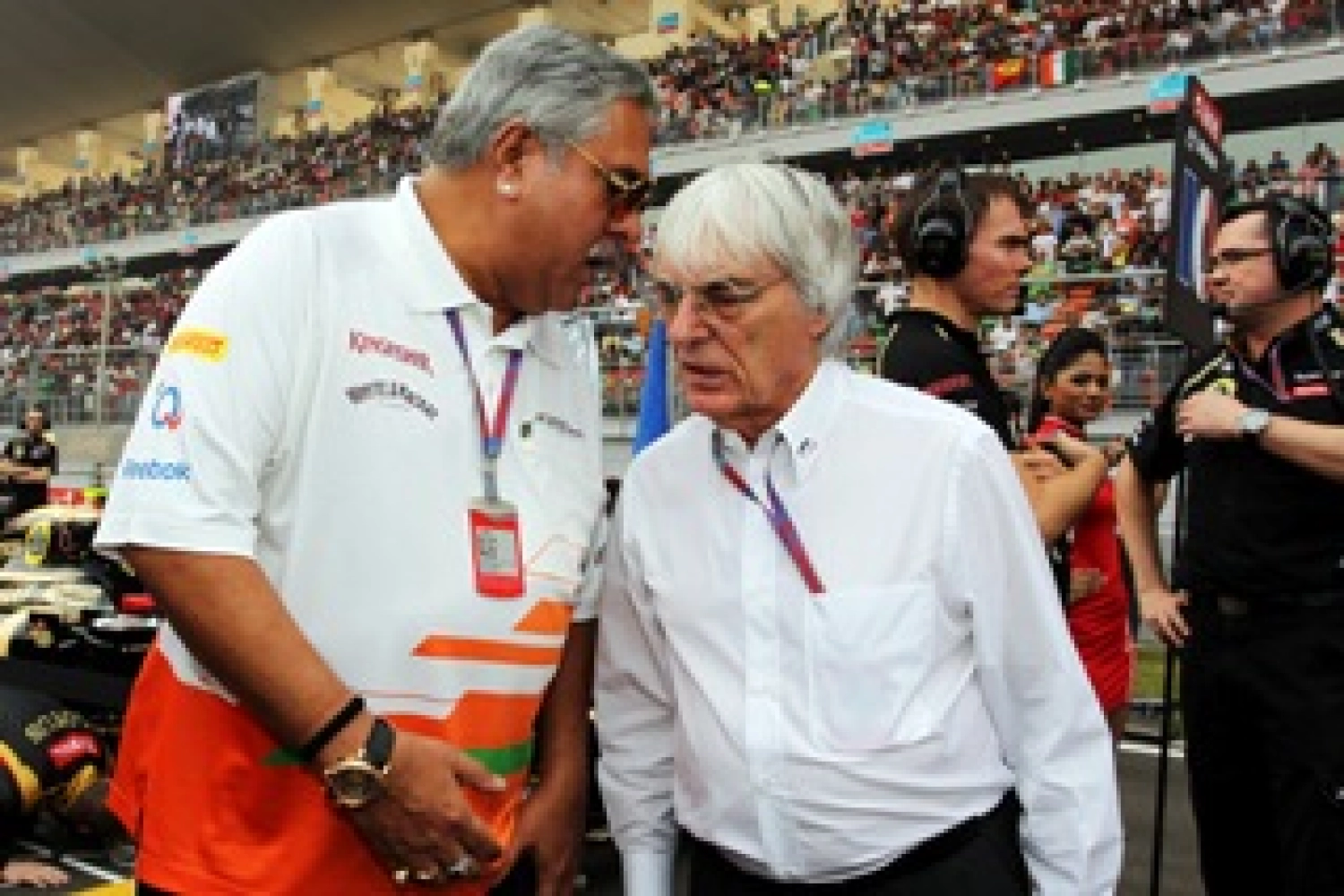
In the air for several weeks, the question of moving from two to three cars per team by 2015 is far from improbable, according to Formula One Management president Bernie Ecclestone.
A tweet from former Williams president Adam Parr during the Italian Grand Prix two weeks ago sparked the announcement of implementing three cars for the next season, before Eric Boullier softened these statements.
Asked about this issue in Singapore, Bernie Ecclestone did not hide that there was a chance for this possibility to become reality: “It has always been on the cards that if we lose up to three teams, the others will run three cars. I think we should do it anyway. I would like to see Ferrari with three cars, or any top team with three cars rather than having teams that are struggling,” he stated in the paddock for our colleagues at Crash.net.
To the question of whether the introduction of such a possibility is conceivable as early as 2015, the president of the Formula One Group gives a timeframe: « We will know after the next two or three races. » The situation is concerning for some midfield or back-end teams, such as Caterham, Lotus, Marussia, Sauber, and Force India, and the possibility of seeing some structures disappear could accelerate such a process.
To conclude, Ecclestone did not fail to dismiss the possibility of aid to these small teams: « I have been here for a while – some say for too long – but long enough to know that there are always people at the back of the grid. »