F1 teams expect the FRIC ban at the German GP
While a final decision on this matter is not expected until next week, most Formula 1 teams are preparing for the ban on interconnected suspensions (FRIC) starting from the German Grand Prix.

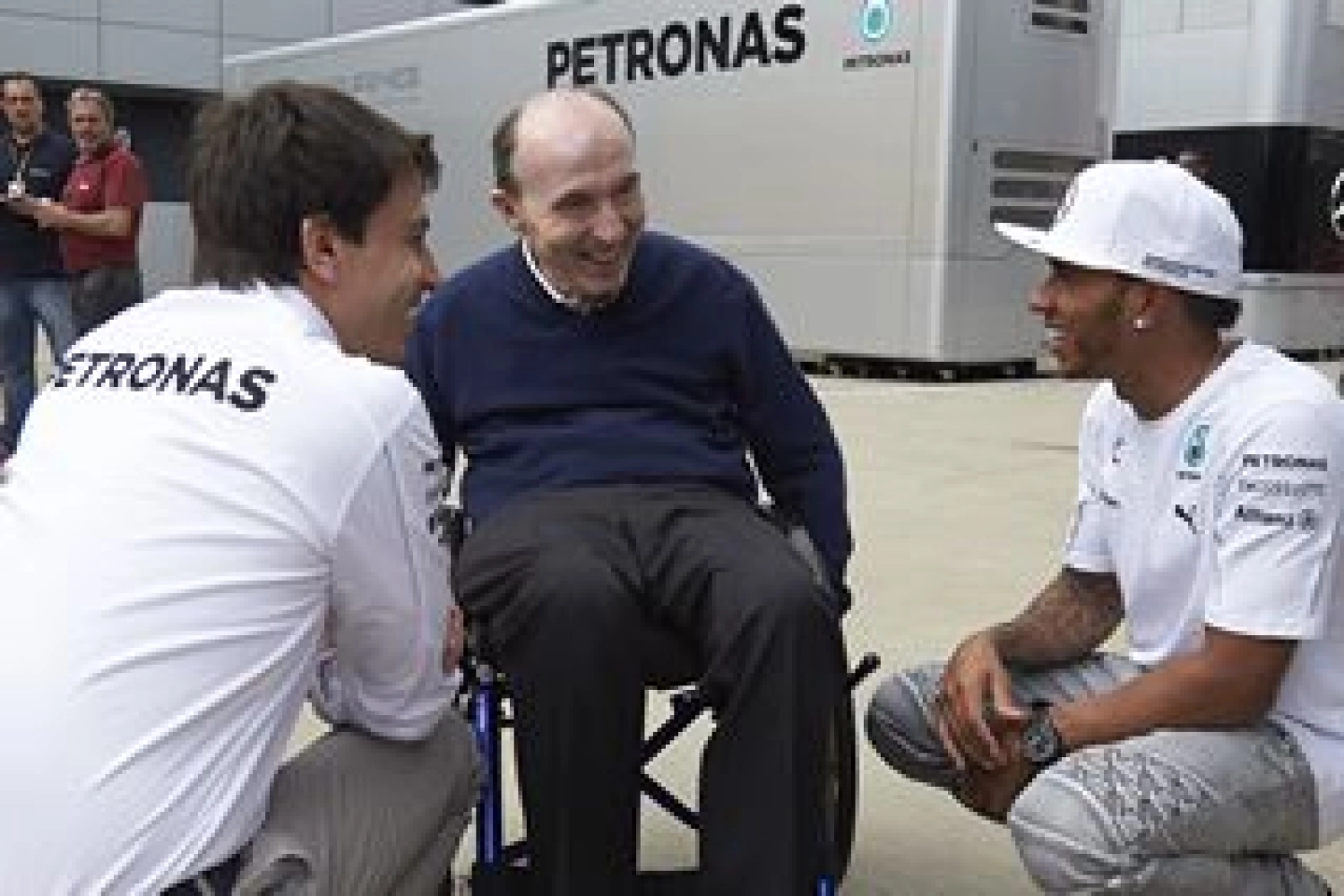
The F1 teams are preparing for the FRIC ban from the German Grand Prix. This is what our British colleagues from *Autosport* reveal this Friday on their website.
The technical directive informing the teams of the illegality of the interconnected front and rear suspension system was accompanied by a proposal: the banning of this device can be postponed to 2015 if and only if all teams vote in favor of the postponement.
However, despite a pact that would be sealed between the largest structures such as Red Bull, Mercedes, Ferrari, McLaren, Lotus, and Williams – to which Marussia could be added – not to lodge a complaint against the use of FRIC during the German weekend, the risk of it happening is not ruled out, far from it.
Indeed, Autosport indicates that other teams may not be really inclined to support such an agreement and might even be ready to appeal to the Grand Prix stewards if necessary. The risk would then be that the cars—if they used the system and the stewards noticed it—could simply be disqualified. During the Silverstone tests, the teams, in order to prepare for such a scenario, conducted some stints without FRIC.
The position of the undecided teams will apparently not be known until next week. Logic would suggest that Toro Rosso would adopt a position similar to the parent team. The ball would then be in the court of Force India, Sauber, and Caterham. A situation that seems paradoxical today, since the reflection on the legality of interconnected suspensions is undoubtedly linked to the cost issue, which the smaller teams ardently support.
A complicated, expensive, and… against the rules system
The ban on FRIC does not come out of nowhere. This discussion began during the Monaco Grand Prix, as part of cost reduction in the premier discipline, with the development of this increasingly complex system consuming significant resources. At the time, reports Autosport, the idea to ban it for 2015 had been rejected, with teams believing it would be necessary to keep it until the return of active suspensions, planned around 2017.
However, as the weeks passed, the FIA and the teams increasingly exchanged information about the FRIC system. To the point that the governing body decided to analyze the concept in depth. As such, the teams had to provide detailed explanations of its operation and benefits in June.
The alarm was raised when they admitted that interconnected suspensions allowed for maintaining a constant ride height for aerodynamic reasons. The British publication even indicates that a technical director—without giving his name—did not hide that his team was fully aware that FRIC was used solely for aerodynamic purposes and that there was a risk of illegality (violation of Article 3.15 of the Technical Regulations prohibiting movable aerodynamic devices). Charlie Whiting reportedly accelerated the process that led to the technical directive sent at the beginning of this week.
Beyond the conspiracy theories that are cropping up here and there, the decision to ban the interconnected suspension system, regardless of when it comes into effect, is a crucial issue for the 2015 season. Indeed, most of the single-seaters for the next season are already well into the design phase, and teams have demanded a quick decision to know how to proceed. Moreover, there’s no guarantee that the change brought about by the non-use of FRIC in Germany will be significant enough to alter the hierarchy and nullify Mercedes’ advantage.