2014 British Grand Prix: Strategy Summary
After the British Grand Prix in F1, won by Lewis Hamilton, ahead of Valtteri Bottas and Daniel Ricciardo, find the analysis of the tire strategy.

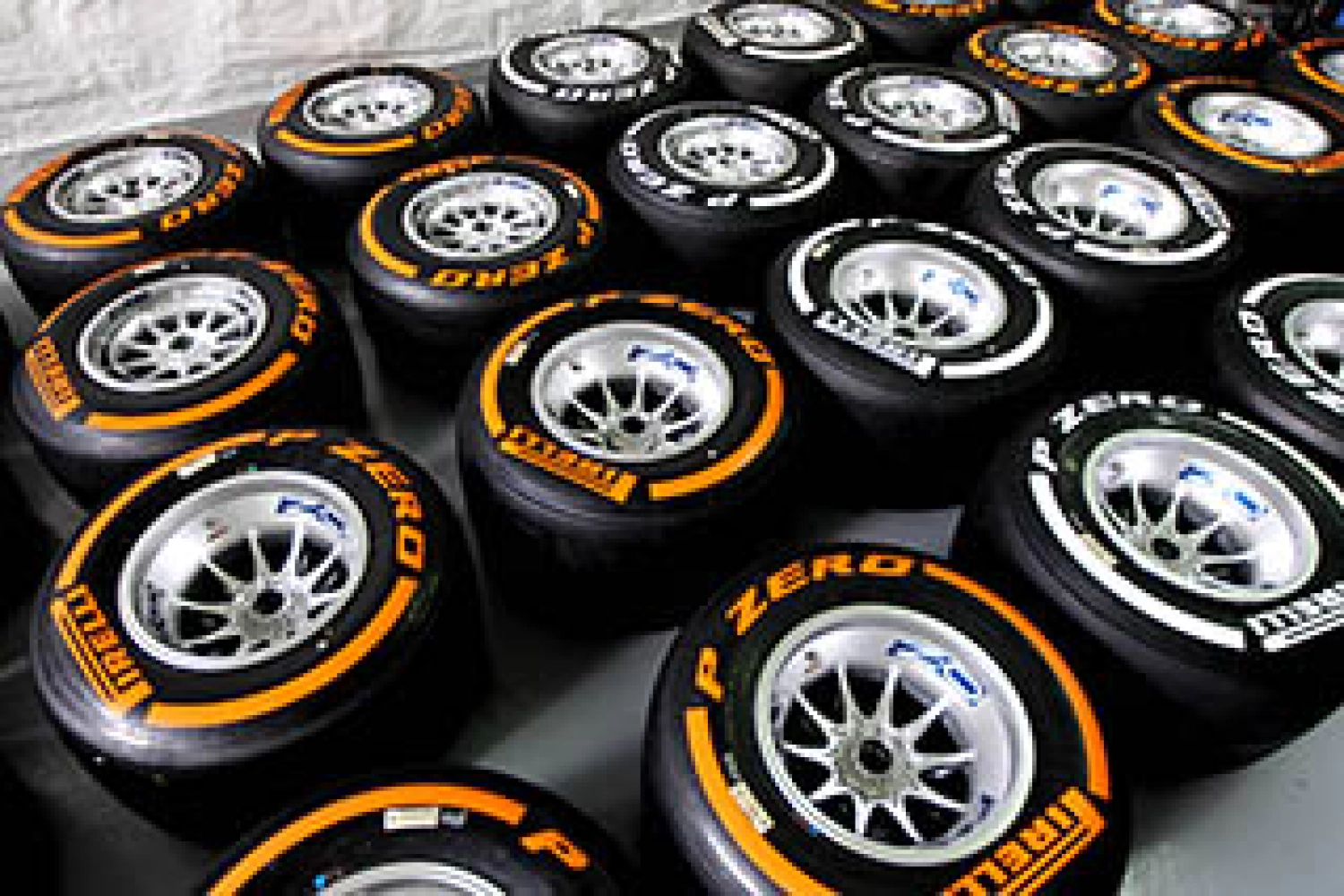
The understanding of tire strategies during the British Grand Prix is unique: indeed, a red flag allows drivers to change tires without it being counted as a pit stop.
Beyond this peculiarity, the race favored one-stop strategies, even though Pirelli had estimated that two stops would be ideal. One year after the disastrous Grand Prix which saw six tire blowouts, this race proved that the progress and adjustments made by everyone involved in the discipline had paid off.
1 stop
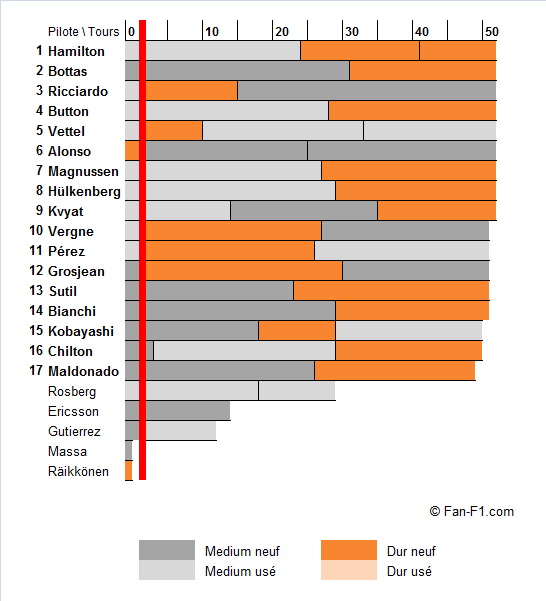
Among the 17 classified drivers, 12 made only one pit stop. Among these, 7 finished in the top 10. As part of this one-stop strategy, the favored format was a first stint on mediums, second stint on hards: Bottas, Button, Magnussen, Hülkenberg, Sutil, Bianchi, and Maldonado used this approach, with varying degrees of success.
The inverted “hard/medium” format was used by Ricciardo, Vergne, Pérez, and Grosjean. The Australian driver opted to switch to a one-stop strategy during the GP, which allowed him to record the longest stint of the race on medium tires (37 laps), far ahead of the longest stint on hard tires (29 laps for Romain Grosjean).
Fernando Alonso is the only driver who chose to fit the same type of tires (mediums) after the restart. He started the race, like his teammate, on hard tires and took advantage of the red flag to switch to the white-walled tires.
2 stops
The two-stop strategy was the winning strategy. Indeed, Lewis Hamilton, the race winner, allowed himself a final stop on lap 41 to fit a second set of hard tires. He was the only driver to have executed a medium/hard/hard format. However, he could have quite easily finished the race without stopping a second time.
Behind him, Vettel also chose an aggressive strategy by switching, at the time of the red flag, to hard tires and quickly changing them for mediums, twice. The freshness of his tires allowed him to gain an advantage over Fernando Alonso in his final stint. Kvyat is the last driver in the top 10 to have used two stops (mediums/mediums/hards).
Outside the top 10, it was two back-of-the-grid drivers, Kamui Kobayashi and Max Chilton, who took the gamble on a two-stop strategy, forced and constrained, certainly, by a more difficult car to drive, as both men were indirectly involved in Kimi Räikkönen’s crash on the first lap.