Ecclestone: “I’m ready for an F1 with 8 teams of 3 cars each”
Bernie Ecclestone recently revived his idea of fielding three cars per team to complete a starting grid that risks being sparse in the coming years.

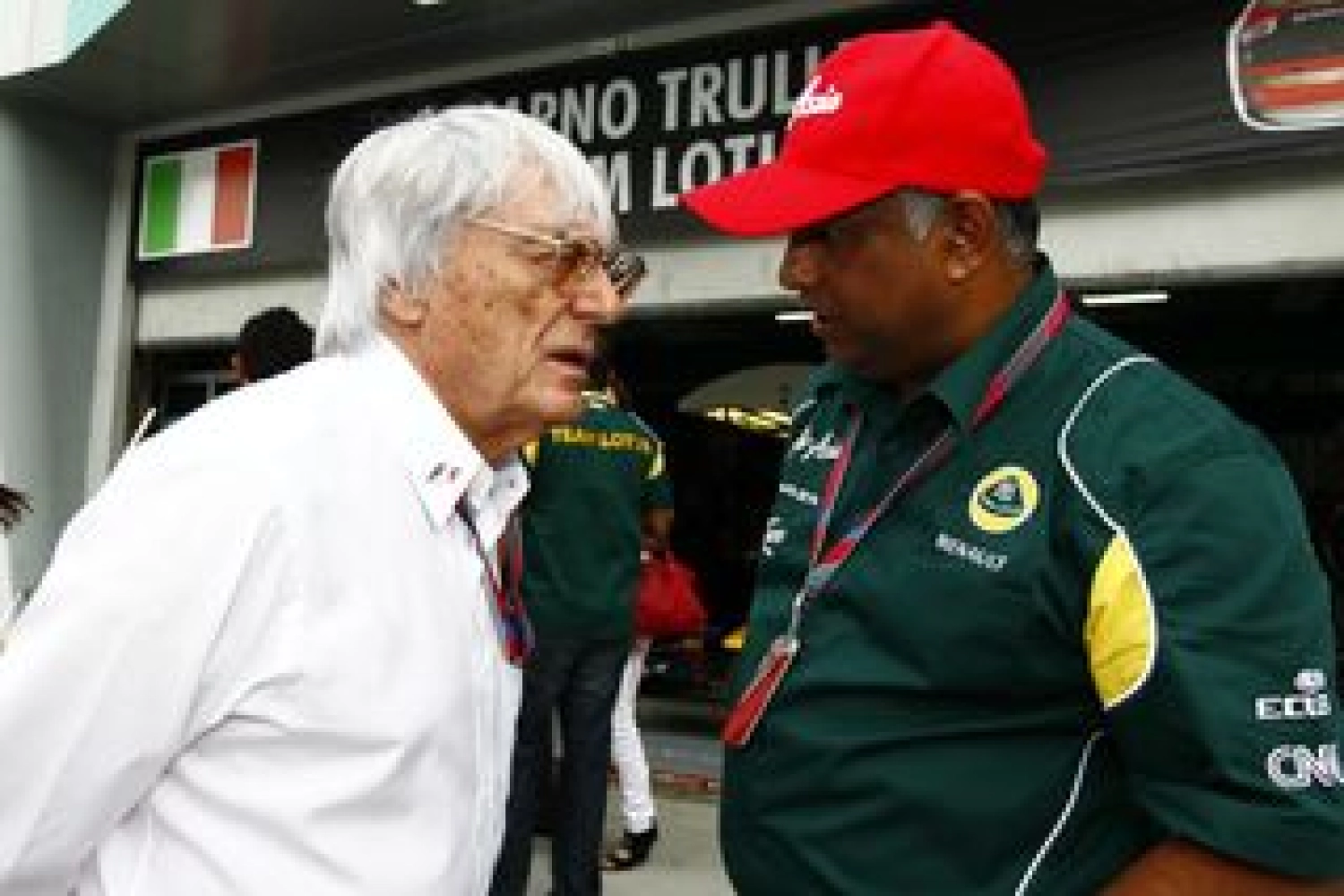
In *La Gazetta Dello Sport*, Bernie Ecclestone reaffirmed his desire to see the big Formula 1 teams field a third car.
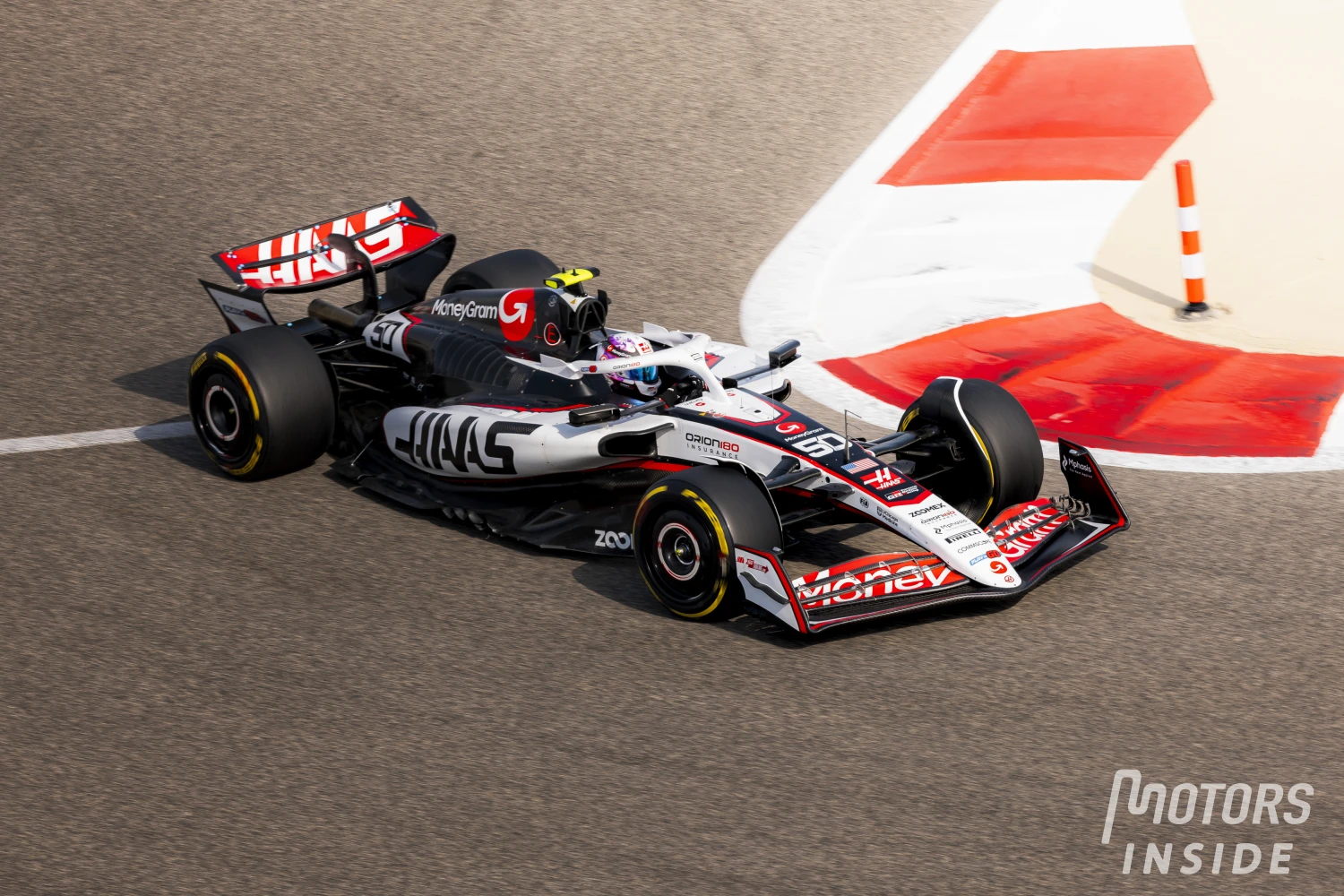
Despite the possible arrival of two new teams starting in 2016, Haas Racing and the Forza Rossa project, the British tycoon would prefer to see a grid of eight teams each fielding three cars. According to him, the competition would be even more intense: “I am ready for an F1 with 8 teams of 3 cars each. Is it better to have three Ferraris or one Caterham? Ferrari could find new sponsors in the United States and an American driver. That would be fantastic. And it would be the same for the others!”
With this statement, Ecclestone, of course, points to the financial problems and lack of competitiveness of the smaller teams that entered the sport in 2010 and have since struggled to catch up with the best: « They should stop. If you don’t have the funding, you must leave. Take Caterham: they have invested a lot of money but they need even more. That’s why they haven’t been competitive since. »
Being in Formula 1 is expensive, Bernie Ecclestone is aware of it. That’s why he would like to favor this new formula in the future: « It is not easy to start from scratch, F1 costs money. Buying a team with a wind tunnel, a simulator, and everything that goes with it requires an investment of around 150 million euros. And still, you haven’t really started: you need drivers, engineers to build the car, and the right people are rare and costly. That’s why Ferrari wants to hire Newey… »