2014 Canadian Grand Prix: Strategy Summary
After the Canadian Grand Prix, won by Daniel Ricciardo ahead of Nico Rosberg, find the tire strategy analysis produced by Pirelli.

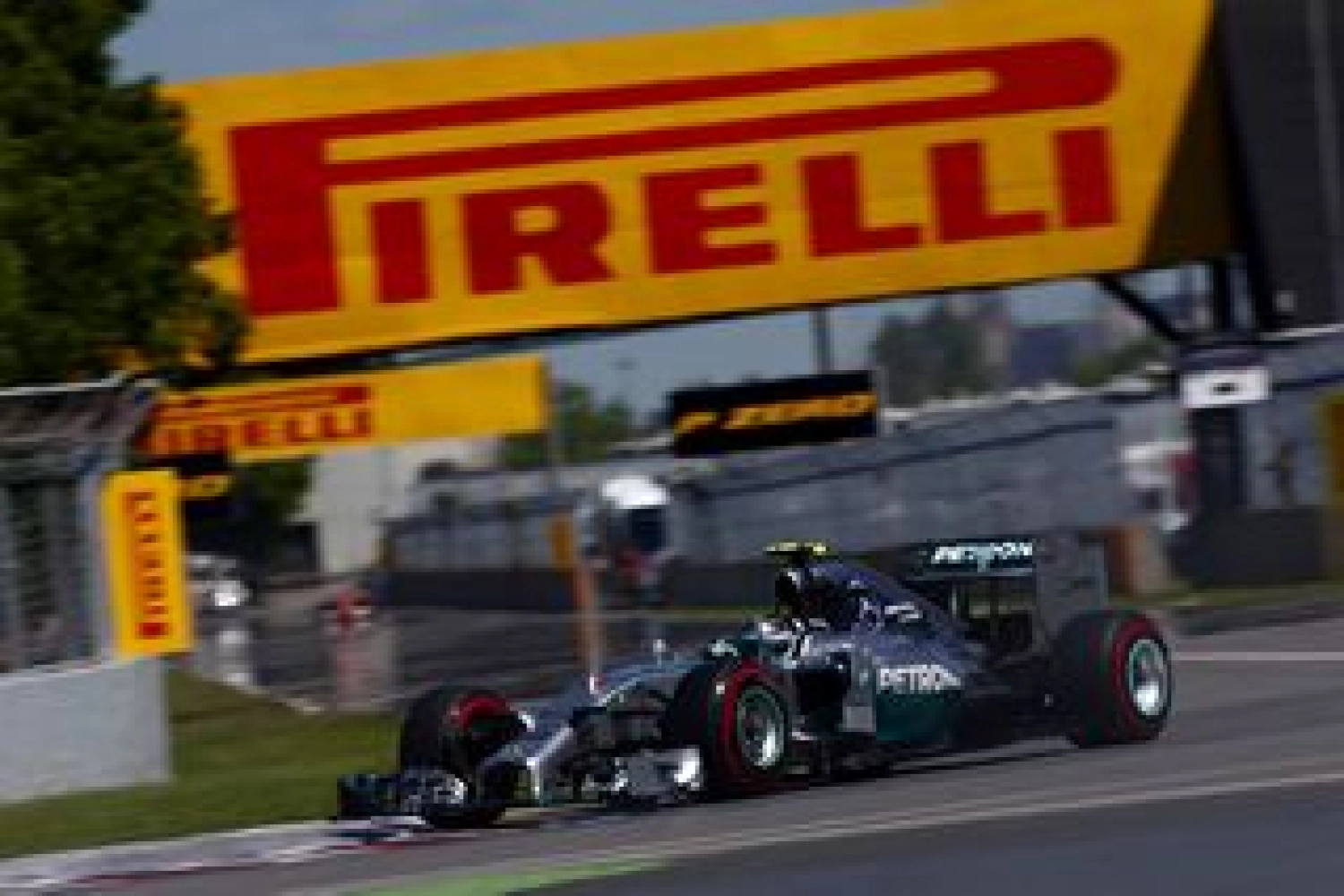
The high temperatures in Montreal, along with a long period under the safety car at the beginning of the race, made tire strategy a central piece of the suspenseful Canadian Grand Prix, with teams having to adapt to the characteristics of a new set of tires compared to the cooler conditions during practice or qualifying.
The race was won by Red Bull driver Daniel Ricciardo, with the top 5 separated by only 5 seconds in the closing moments of the race. Tire strategy was central, with drivers on fresher tires using them to have an advantage at the end of the race. Ricciardo took the lead with two laps to go, overtaking Nico Rosberg, while Sebastian Vettel completed the podium. All three adopted a two-stop strategy.
The author of a strategy with the highest-placed stop is Nico Hülkenberg, 5th, who started on soft tires and completed a 41-lap stint before his only stop to switch to super-soft tires. His teammate, Sergio Pérez, also stopped only once, changing from super-softs to softs on lap 35, halfway through the race. An accident on the last lap involving him and Felipe Massa, then battling for the podium, ended their race, which finished under the safety car. However, their two strategies allowed them to compete for the podium, with Massa benefiting from extra speed with much fresher tires than his rivals.
The first safety car period, which lasted eight laps at the start of the race, altered the strategy, with tire degradation minimized at the critical moment when the car is heaviest with fuel. The wear on both compounds was generally low, despite the track temperatures exceeding 45°C and ambient temperatures of 30°C.