The return of active suspensions in 2017?
Formula 1 teams are carefully considering the possibility of reintroducing the active suspension system in Formula 1, more than 20 years after its disappearance at the end of the 1993 season.

The cost reduction envisaged in F1 will not be achieved, it is now decided, by implementing a budget cap. However, the governing bodies of the discipline, starting with the Strategy Group that initiated the abandonment of budget limitations, are exploring other avenues on the technical regulations front to achieve cost reductions.
Among these avenues, the return to active suspensions banned from the 1994 Formula 1 season. This technology, based on electronics, would be less costly for teams than passive suspensions due to adjustment reasons: indeed, it would be cheaper for teams to find the optimal configuration through electronics than with the passive system and its mechanical complexity.
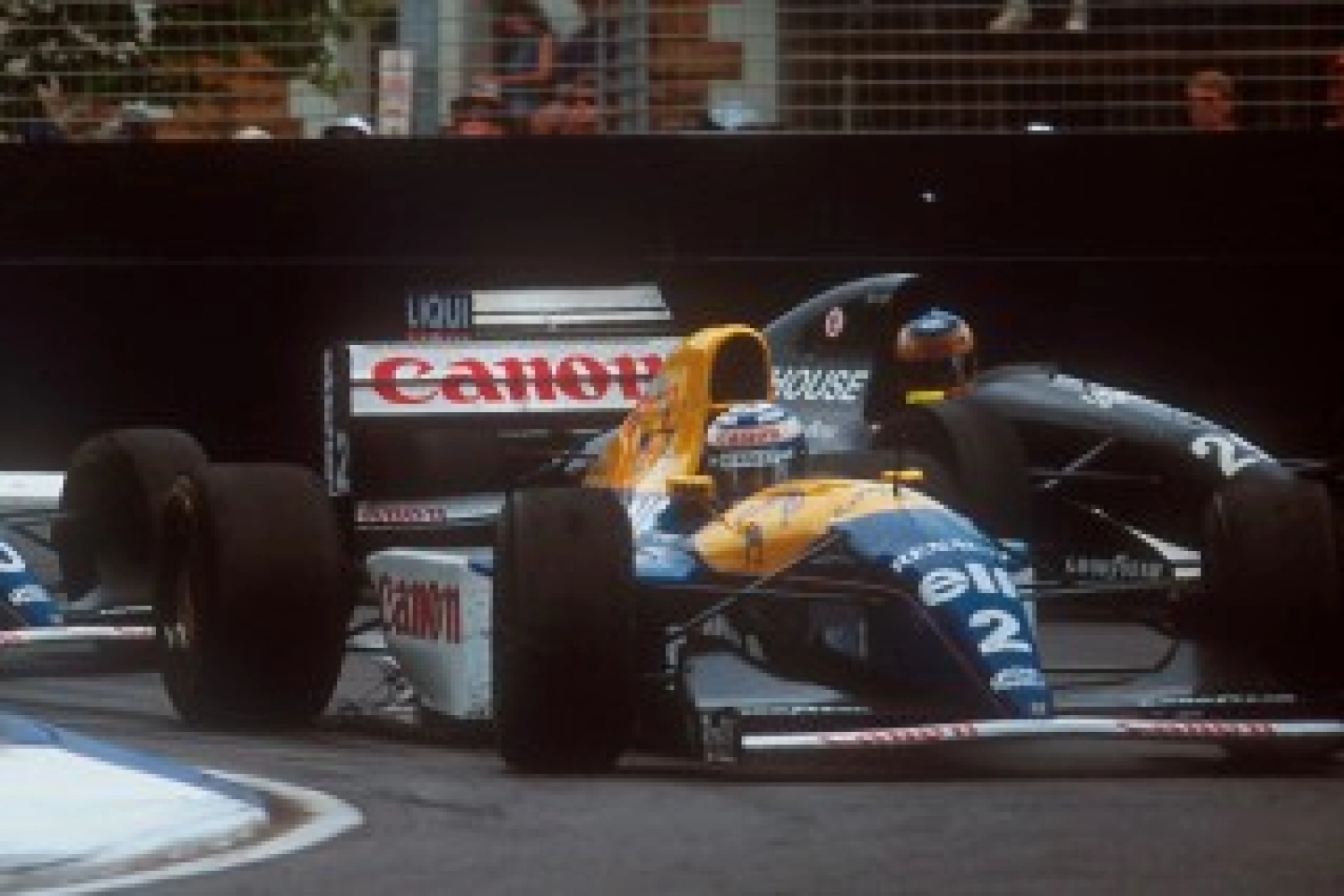
Active suspensions allow an onboard system to adjust, thanks to sensors, the ideal vertical movement for each wheel, in order to achieve better stability and traction, whereas the movement of wheels with passive suspensions only corresponds to that of the surface on which the car is driving. In the early 1990s, Williams-Renault had complete mastery of this technology, which was banned at the dawn of the 1994 season, like many electronic aids, to break their dominance in the discipline.
The implementation of these active suspensions could take place, according to *Autosport*, by 2017, alongside other proposals such as the transition from a 13 to 18-inch rim for F1 wheels. Furthermore, the Strategy Group is considering measures aimed at simplifying certain car components that currently represent significant expenditure areas, such as the fuel system, crash structures, front wings, brakes, and the interconnection between front and rear suspensions.
In parallel, a modification of the curfew rules and a reduction of personnel authorized during Grand Prix weekends are reportedly under consideration.