Mercedes: “No Alternative” to Hybrid Turbo Engine
Mercedes explains that its commitment to F1 has been strengthened by the implementation of new regulations more focused on future requirements and road cars, without which the question of its participation could have arisen even in the event of success.

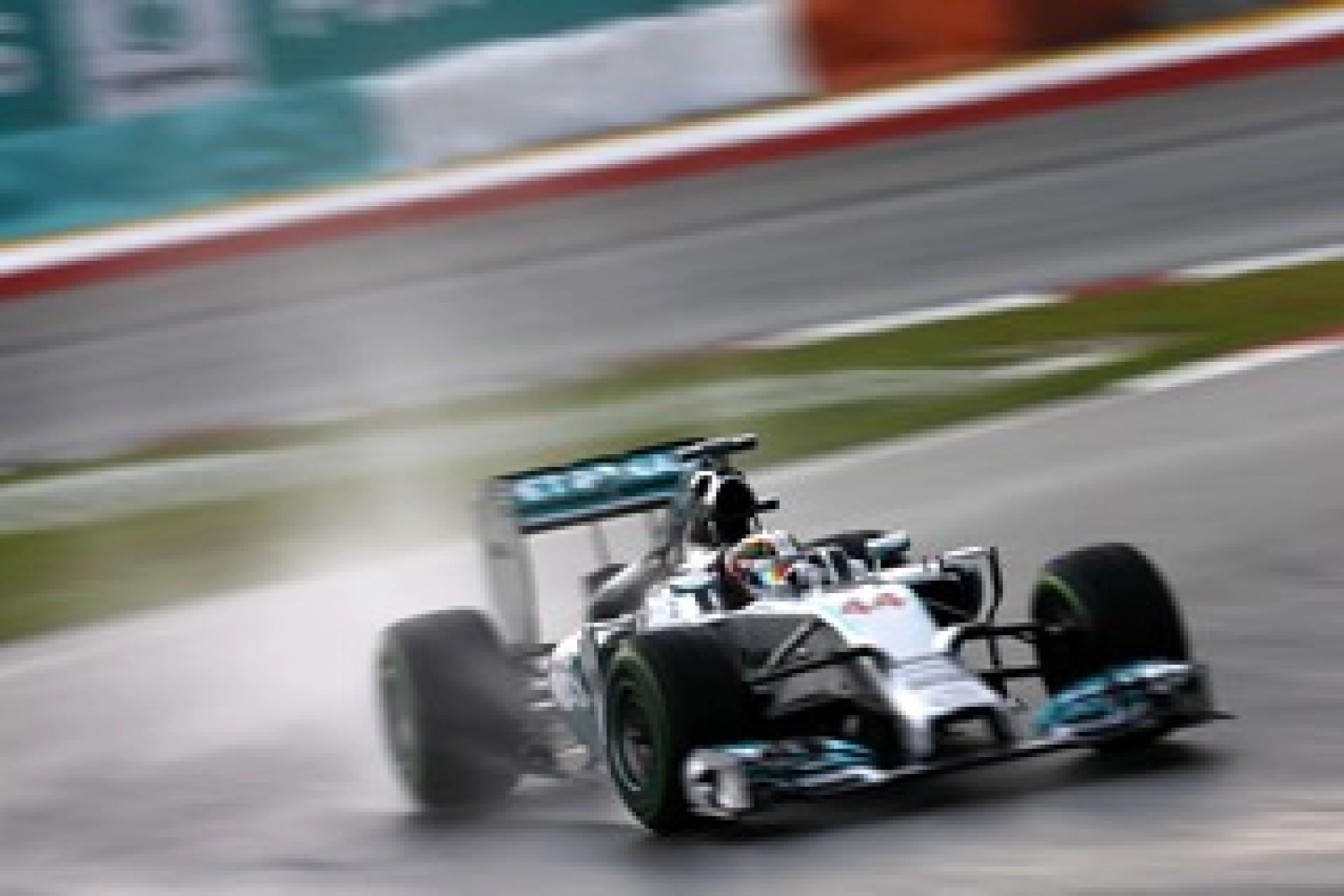
Following the various discussions around the issue of the show and the 2014 regulations, which some believe betray the spirit of Formula 1 by turning drivers into managers in the top category, Thomas Weber, a member of the Daimler Board of Management and head of Mercedes’ research and development department, emphasized that the German manufacturer’s further commitment to the discipline largely depended on this engine change.
Thus, when asked whether Mercedes’ participation could have been called into question if the naturally aspirated V8 was maintained, he replies: « Yes. » Even in the event of victory? « It would have been better, but we, as a board, are independent. We are responsible for what we do, and it’s not a good argument to stay just because we win races, » he explains to Autosport.
« The only argument could then be marketing. But participating in motorsport just for the sake of marketing, for me, is a bit short-sighted. » As a reminder, Mercedes’ commitment to F1 had already been questioned at the end of 2009, with Daimler’s Board of Directors considering at the time that the investment might appear too excessive in the context of the global crisis.
Weber thinks the turning point of F1 is essential: « Before, it was important for me to go to a Formula 1 race for fun. Now, it’s part of my job. Never before have we been so close to technology that we need for road cars today. The engine size, turbochargers, and hybrid technology. That’s the game in F1 now. »
He adds: “We must explain why this is the right direction and there is, for me, no alternative.” He also believes that the criticisms pose a dangerous threat to the sport itself: “These people, they think they can continue everything forever. They really do not realize the complexity and danger of a discussion about F1 for the public, and even in some supervisory boards.”
In conclusion, he calls for continuing on this path: « For me, if we want to protect our business in the future, we must change the system. »
For his part, Niki Lauda, non-executive director of Mercedes, did not hesitate to criticize those advocating for a return to the 1990s-2000s F1: “If people don’t want these engines, then they should take the old ones and have garage races. Then there won’t be any major manufacturers coming, and then you’ll see where the fans are because there won’t be any fans.” He concluded by saying, “It’s the right thing to have a modern F1, oriented towards the future.”