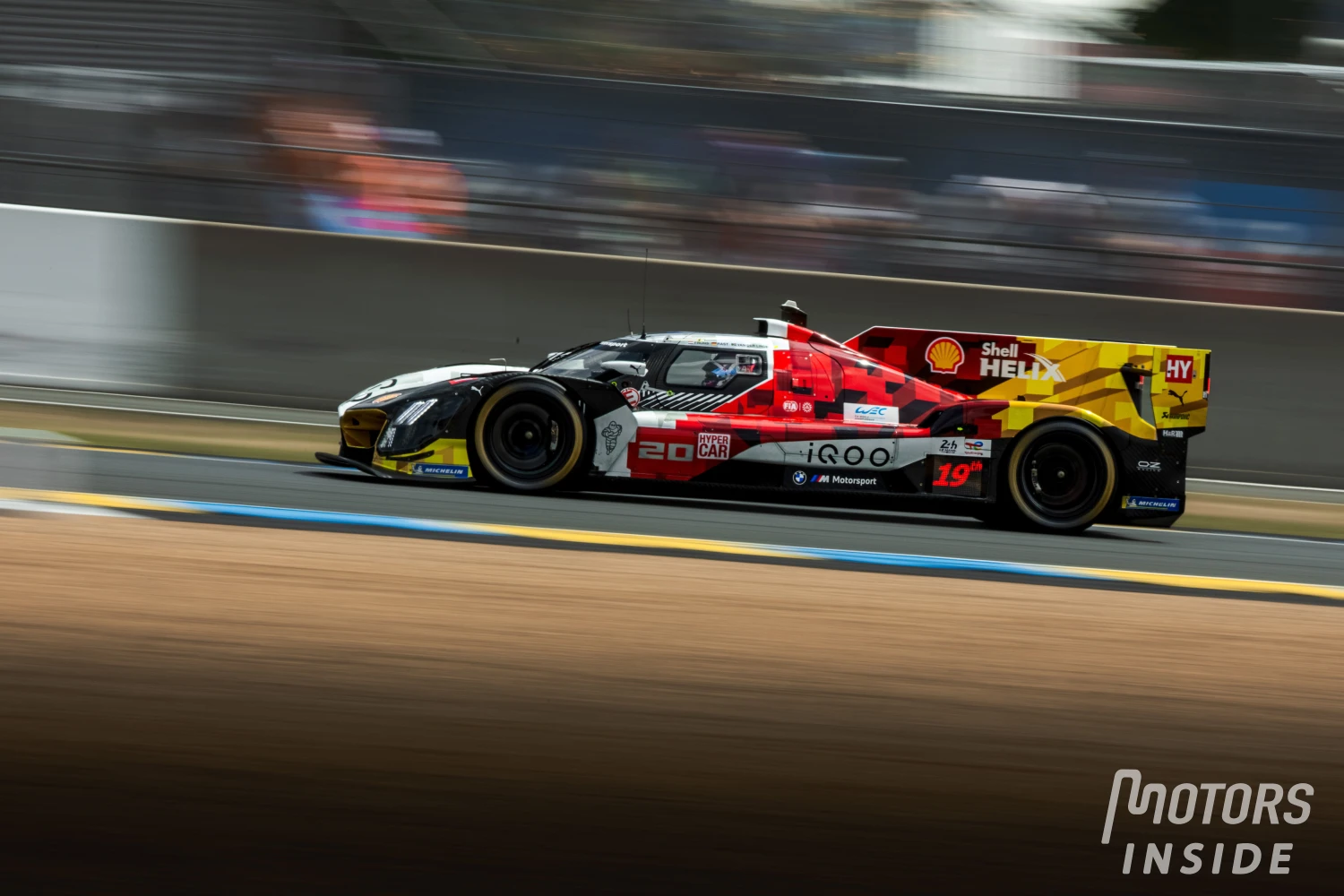
Red Bull was seeking a $100 million fine for Mercedes
The Red Bull team is said to have suggested to the FIA International Tribunal to impose a fine of 100 million dollars on the Mercedes team for conducting tests with its 2013 car.

Mercedes emerged from the FIA International Tribunal without any real sanction while the German team’s opponents had hoped for a more substantial penalty.
This is particularly the case for Red Bull, which has reportedly, according to Bild, submitted to the court two possible sanctions: either a fine of 100 million dollars – like the one imposed on McLaren in the espionage case against Ferrari in 2007, or a penalty of 150 points in the constructors’ championship.
The International Tribunal did not follow Red Bull’s proposals by only giving a reprimand and excluding Mercedes from young driver tests, and if the Austrian team accepts the tribunal’s decision, it could still take advantage of this verdict to conduct its own tests.
Indeed, according to The Times, Red Bull – and potentially Ferrari – might boycott the young drivers’ tests taking place at Silverstone from July 17 to 19 in order to conduct three days of testing on their own. According to the British daily, both teams allegedly presented their grievances to Bernie Ecclestone and could be tempted to take the risk of receiving a reprimand – the sanction imposed on Mercedes – in order to benefit from three days of testing, even though Helmut Marko told Sport Bild that the Austrian team would not break the rules.
It should also be noted that after receiving a reprimand from the FIA International Tribunal, Pirelli might also turn against the FIA by taking legal action, at least that’s what The Telegraph believes.