McLaren is working on a double DRS
The McLaren team has not yet copied the double DRS implemented by Mercedes at the start of the season, but the team from Woking has such a system in the works, even though its use in races is not yet planned.

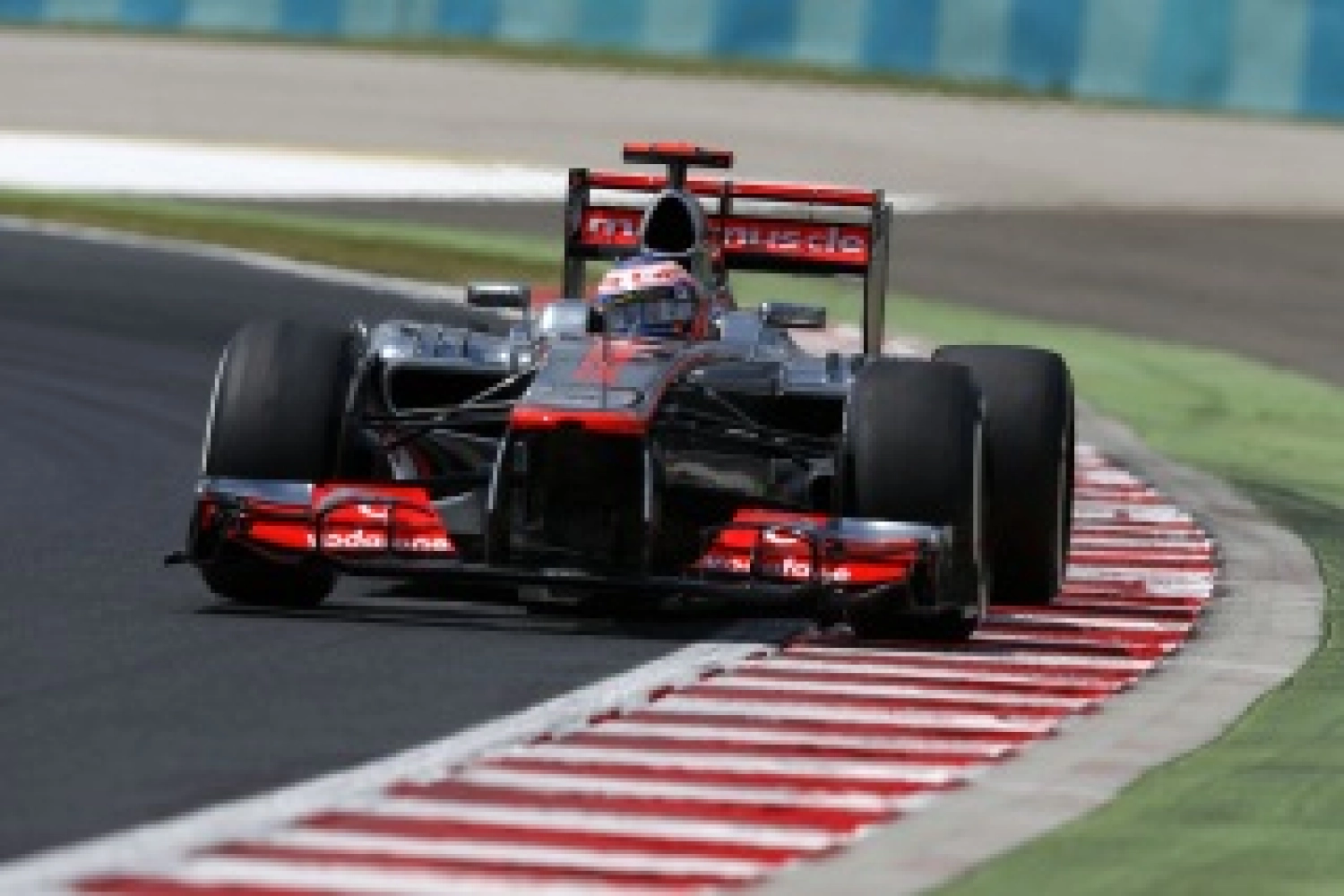
Sam Michael, the sporting director of the McLaren Mercedes team, revealed that his team is working on a double DRS even though this system will be banned next year a priori.
However, he told *Autosport* that no decision had been made yet on a potential use in the race: “It’s not like Lotus’s, but we have a system like that (a double DRS). As for the chances of us bringing it (during a race weekend), I don’t know yet.”
Sam Michael also revealed that for the moment McLaren had not yet decided on the real usefulness of the double DRS, as developing such a system costs money and time, which could be used to implement more conventional improvements: « We will look at all the possibilities and see if it is feasible, as it requires work and it distracts us from the usual improvements as well. So it’s quite complicated to make the system work, as Lotus is discovering. But like everyone in the pit lane, if we see a new idea, then the guys get to it, they analyze it and, if we decide it will be a benefit for the team, then we will bring it (to test it).»
For the moment, besides Mercedes AMG, only the Lotus F1 team has developed and tested a double DRS. But other teams could follow, notably the Red Bull team, who like McLaren, reportedly have such a device in the works. According to several German and Spanish media outlets, the Austrian team could even test their mechanism during the free practice sessions at the next Grand Prix, which will take place at Spa-Francorchamps at the end of August.