Show in F1: DRS, Pirelli tires, but not only
The 2012 season is probably one of the most unpredictable seasons in many years. It also provides a great show on the track, a spectacle that many attribute to the Pirelli tires. But in reality, even though they play a role, other elements contribute to this spectacle in F1.

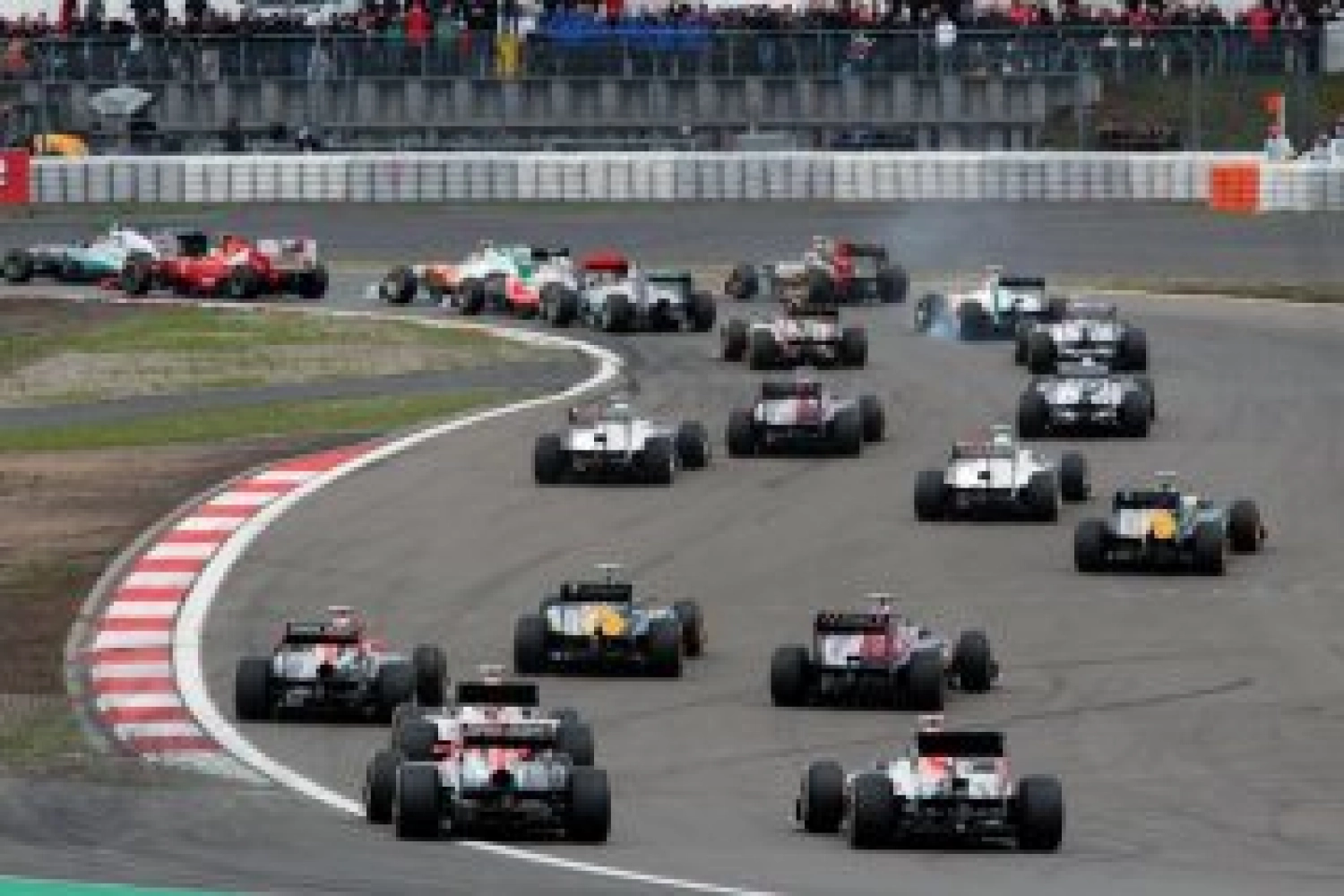
Pirelli provides tires that degrade faster than those of its predecessor, Bridgestone, thus offering more pit stops and more action on the track between drivers with fresh tires and those struggling with their tires to attempt a strategic move.
This performance difference between two types of tires was particularly evident last weekend during the European Grand Prix held in Valencia, which was probably one of the most spectacular and exciting races to experience this season. However, while Pirelli tires played a role that some consider important, they are not the only key to this new formula for spectacle in F1.
The DRS, drag reduction system, implemented by the FIA also contributes to the spectacle all Formula 1 fans can enjoy. This system allows for more frequent overtakes than in previous years, with 58 overtakes occurring in Valencia, the second “best performance” of the season in this regard behind Shanghai.
Reliability issues also played a role in the show in Valencia, with the retirements of Sebastian Vettel and Romain Grosjean, who were both in the top 3 at the time of their retirements.
We could also mention the KERS as part of the current spectacle in Formula 1, but the kinetic energy recovery system does not have as prominent a role as the Pirelli tires or DRS.
Another factor that enables such a spectacle during the race is the narrowing performance gap between the top teams and the midfield teams. Even if, from the perspective of the constructors’ championship standings, it doesn’t seem obvious because the five top teams – Red Bull, McLaren, Ferrari, Lotus, and Mercedes – occupy the top five places in the 2012 standings, just like in 2011, with the other teams behind, in reality, things have changed.
Pastor Maldonado managed to stand out in Barcelona to deliver a victory to Williams, their first since 2004. The Sauber team has also already secured two podiums thanks to Sergio Pérez this year, which had never happened to them as an independent team – they had achieved 11 podiums including one win in 2008 but that was when they had the support of BMW.
Besides these two teams, Sahara Force India is also present, even though the Silverstone team has not yet secured a podium, but the double finish in the points by its two drivers in Valencia, for the first time this year, gives them hope. Vijay Mallya, the boss of the Indian team, told the official Formula 1 website that securing a podium was an achievable goal according to him, as early as this weekend at home on the Silverstone circuit.
If some believe that the operating window of the tires plays an even more significant role this year, others consider that it’s the FIA regulation change, with the ban on blown diffusers and restrictions on the flexibility of front wings, that has allowed for such a tightening of performance and therefore more spectacle on the track.
To illustrate this tightening, one can take the European Grand Prix as an example, where 14 drivers were within less than a second during Free Practice 3, a number that even reached 15 during Q1 and Q2 in qualifying. 15 drivers within 1 second, meaning any mistake is costly for the top teams, like Ferrari in Valencia, where Alonso and Massa were eliminated as early as Q2.
Besides potential errors, understanding the functioning of the tires through adjustments plays an important role, and teams that adapt better to Pirelli, such as Sauber for example, can thus be competitive and somewhat act as spoilers on certain weekends.
Because while some drivers or team managers have complained about Formula 1 becoming “a lottery,” it is clear that this is not the case, as the same teams are still at the top of the constructors’ championship. The hierarchy is, admittedly, shaken up by a few standout performances, but who among those who follow Formula 1 can complain about experiencing such an exciting season?