Canada: Threats to the Grand Prix?
Important hub of student protest, the city of Montreal will host the Canadian Formula 1 Grand Prix on June 8, 9, and 10 in a tense social context. This is an opportunity to revisit the situation and the risks looming over the event.

More than a hundred days after the start of the student protests, initially about the tuition fees and later about the repression of demonstrations, the pressure around the major Quebec cities is increasing, as the newspaper Le Monde reports that negotiations could resume, potentially targeting the end of this social conflict.
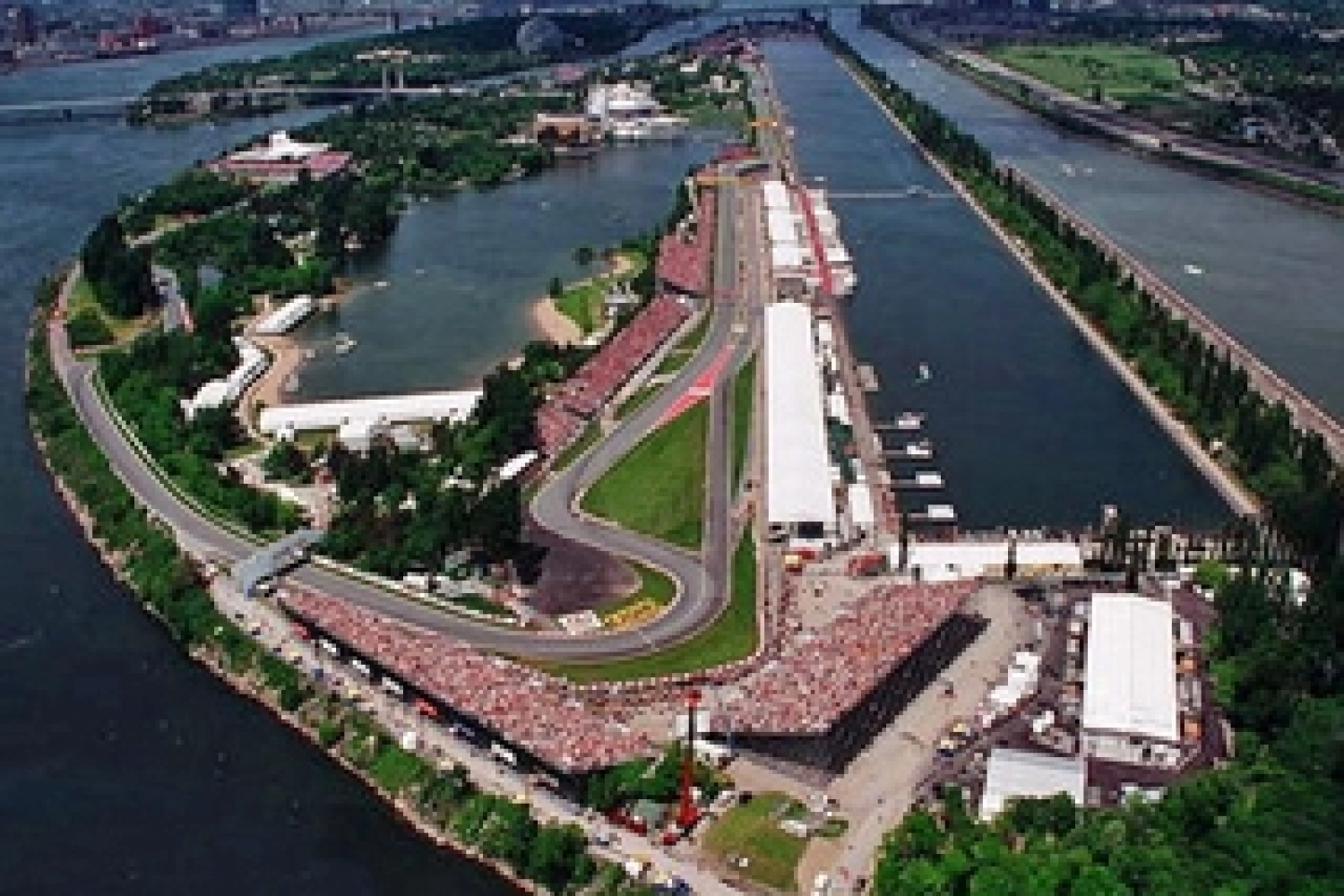
Far from these concerns, the world of Formula 1, which has already shown its permeability to situations that moved international opinion, notably in Bahrain, is preparing to head to the American continent to compete in the seventh race of the season, at the Gilles Villeneuve circuit in Montreal.
The tense situation in the streets of the city of a hundred bell towers has obviously not gone unnoticed by sports authorities, as François Dumontier, the promoter of the Grand Prix, told our Canadian colleagues from La Presse on May 22: “I do not deny that we’re keeping an eye on this and will follow the development of the conflict in the coming days.” These comments follow several events: on May 9, students from the Faculty of Arts at the Université du Québec à Montréal adopted a resolution calling on the Coalition large de l’Association pour une solidarité syndicale étudiante (CLASSE) to “organize a weekend of disruptions with a view to canceling the Formula 1 Grand Prix and its jet-set events, which represent sexist, non-environmental, elitist, and economic values to be abolished.” Similarly, the slogan “Charest, you laugh, but just watch your Grand Prix” has been repeated in many demonstrations, Jean Charest being the Premier of Quebec.
Even in the absence of a clearly defined threat, François Dumontier prefers to stay on guard: « It is not clear that we will be targeted. But with or without student protests, we are an international event and already have a security plan that ranges from simple mischief to more significant disruptions. So, a student protest is just another action we monitor. » An event that has, in the past, already been subject to the risk of disturbances: « The Grand Prix is often targeted because we are a large-scale event. We have experienced similar situations in the past – in the case of striking unions, for example – even if none had this magnitude. »
Caught in the turmoil of demands and student protests, the businessman finds the accusations unjust: « Some target the Grand Prix and say it’s capitalist and there’s a lot of money there. But we must not forget that it brings a lot of new money to Montreal. It also provides jobs for many students, whether in concessions, in our organization, or in shops and restaurants.»
If the situation is clearly set to evolve in the coming hours, due to the meeting between the government and the students, not everything could be resolved so simply. Thus, Marine Desjardins, a student representative from the University Federation, indicated that there could be no crisis resolution without the repeal of the special law 78, a controversial text adopted on May 18 with the aim of limiting the freedom to protest. The newspaper *Le Monde* nevertheless considers this scenario unlikely, as Prime Minister Jean Charest would not take the risk of a humiliating retreat in an already well-advanced standoff.
Jacques Hamel, sociologist at the University of Montreal, declares himself pessimistic about negotiations which, according to him, are resuming under the pressure of the tourism industry, as the Montreal Jazz Festival and Francofolies begin and the Grand Prix will be held on June 10.