A possible postponement of the V6 engine sparks debate
Several teams in the F1 paddock are reportedly worried about the future operating costs of the V6 engine that is set to be implemented in 2014. They would therefore like the FIA to postpone the introduction of this new engine. However, the engine manufacturers present in F1, led by Mercedes and Renault, do not share this view.

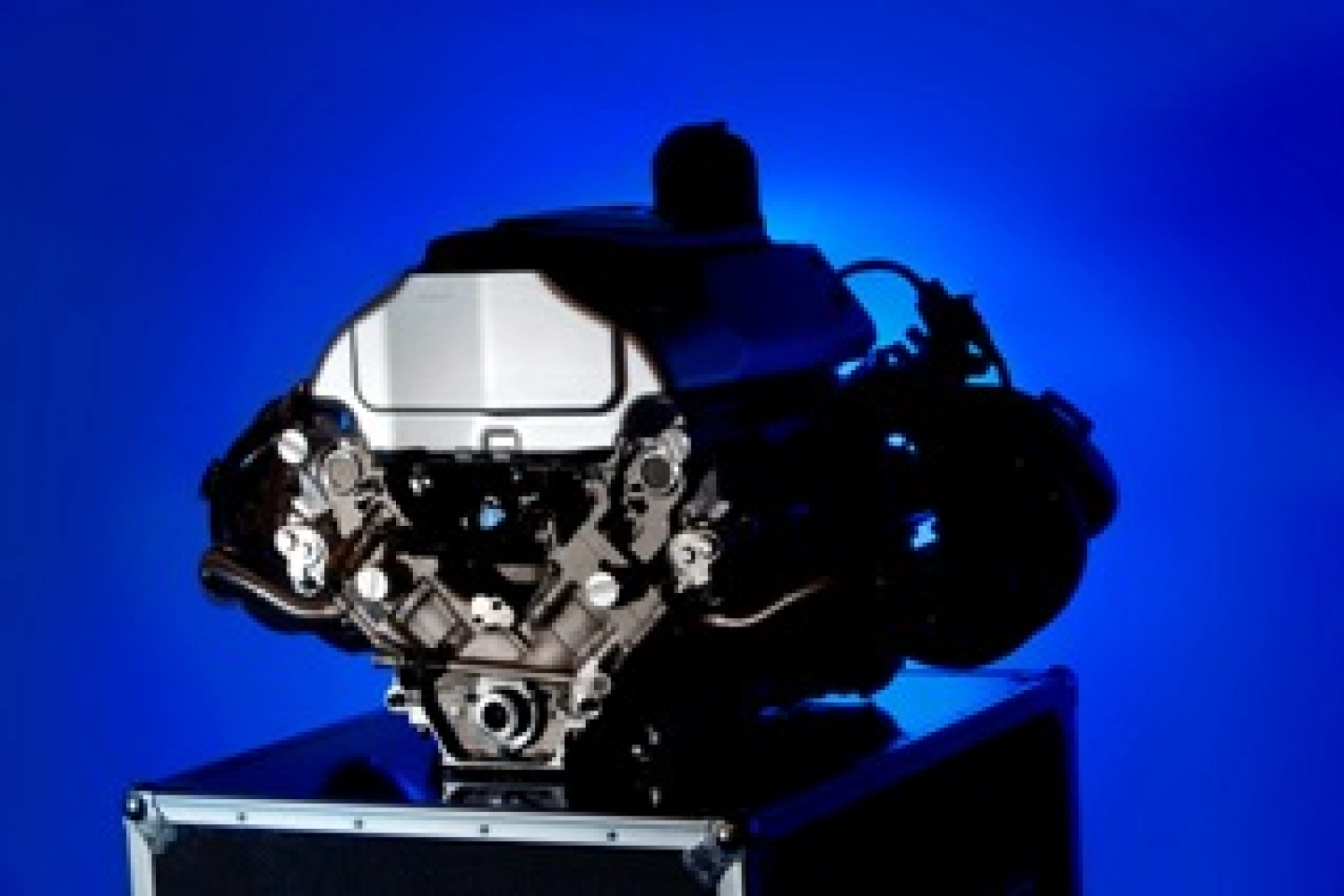
According to the German and Italian press, several teams are trying to pressure the FIA to delay the introduction of the 1.6L V6 Turbo engine in Formula 1. This engine is set to be used by Formula 1 cars starting from the 2014 season, but several teams are opposed to it as they fear a surge in engine prices.
« According to several sources from Mercedes, Ferrari, and Renault, it seems that the development of the V6 Turbo is more expensive than expected. Since no limit for rental costs has been set from 2014, the (smaller) teams fear that this will incur additional costs, » explains Auto Motor und Sport.
According to the German magazine, currently, the teams that are not tied to engine manufacturers pay 8 million euros for 16 V8 engines and some engines for testing, and up to 5 million euros for the provision of KERS.
The small teams, led by HRT, Marussia, and Caterham, fear that without a price cap on purchasing F1 engines, the development cost of the Turbo V6 will be significantly passed on. Some teams would therefore like the V8 to remain in F1 for a little longer, and according to *Autosprint*, this disagreement could delay the arrival of the V6 by one or two years.
But not everyone agrees, notably Ross Brawn, director of the Mercedes AMG team. He stated at the FIA press conference that another postponement could harm the image of F1 and cost engine manufacturers a lot of money: « I think it would be a mistake to delay the engines again. If you remember, we already postponed them by a year and we had to… in fact, we went from a four-cylinder to a six-cylinder and delayed it by a year. Each change actually costs money for the people investing in the new engines. We are committed to this new engine program, it’s progressing, we were able to justify the budgets to the board, and we don’t want to see a postponement or delay for this new engine. I think it sends a bad message for Formula 1 when it comes to changes on fundamental things. »
Brawn also believes that sticking to a V8 is not a good solution for bringing engine manufacturers or car manufacturers back to F1, as he believes a V6 engine is much more interesting than a V8 that has had its time: « The world is changing and I think the new engine is much better suited for Formula 1 for the future. If we can have new manufacturers in Formula 1, which I think would be a good thing, then why would they come to build an old-fashioned V8 engine? They won’t. They will only come with this new engine, so we want to attract manufacturers back to Formula 1 and this new engine is very important (in this regard). »
Jean-François Caubet, managing director of Renault Sport F1, shares Ross Brawn’s vision and believes that this new engine has already cost enough money and that a delay is not acceptable from a financial standpoint: « I think we are very clear. We have already postponed the engine once, moving from a four-cylinder to a six-cylinder. I think that cost us between 10 and 15 million, probably as much for Mercedes and Ferrari. So we had to spend 50 million for nothing. If you delay by a year, we think it will never happen because the delay will become 2015 then 2016.»
Caubet also stated that the V8 engine has had its time in Formula 1 and that a new page must be turned: « For Renault, (the V6) is a strategic choice. I think the V8 was developed 25 years ago, and I share the same advice as Ross (Brawn). If we want to have new manufacturers, only a new engine can open the door to the arrival of new manufacturers. The last point is a key point: having a Formula 1 in 2014 with an old engine will close the door to many sponsors and new technologies. I think we have a clear strategy and I think it’s impossible to change our minds. »
The director of the competition branch of the diamond brand believes that concerns about engine costs are not justified: « And regarding the cost, I think today, you have to add the cost of the engine and KERS. I think we will probably know more in September regarding the cost of this new engine. I don’t think the cost will be a real issue. »
Vijay Mallya, the head of the Sahara Force India team, was also present yesterday at the press conference and despite the statements made by Ross Brawn and Jean-François Caubet before him, he remains cautious and relies on the FIA to ensure that costs do not become exorbitant: (e) We are not engine manufacturers and we will never be, so we depend on those who supply us with our engines. I think you heard Mercedes and Renault here. I am focused, at least, towards the FIA on resource restriction, because I think the cost in Formula 1 must be reasonable for everyone and must give us equal opportunities for all teams. »
Monisha Kaltenborn, the head of the Sauber team, also believes that this new engine should not lead to a surge in Formula 1 engine prices as it would be a detrimental step backward for F1 according to her: « As just mentioned, we are also a team that is not tied to an engine manufacturer or constructor. We are the first to commit to reducing costs from this perspective, we must ensure that we do not return to a point where engines were so expensive—which was the case 10 years ago. I think we all need to keep this in mind. We fully appreciate and understand that an engine manufacturer wants to showcase its technology in Formula 1 but they must also consider the fact that engines need to be affordable and should become more affordable in due time. »
The last person to speak yesterday at the press conference on the subject was a figure from the F1 paddock, Sir Frank Williams. And it must be admitted that the head of the eponymous team does not quite share the same vision as the managers of the Sauber and Force India teams, even though Williams plays in the same league as these two teams a priori: « I have always been a competitor, like everyone here, by the way, and my position is that as long as we can have the best engine – for a reasonable price or not – as long as we can find the money to pay for it, we will do it and will buy that engine, and with our geographical presence – I mean this guy behind whom we are (Jean-François Caubet), with whom we currently are, we know that they (Renault) will provide us – if we can afford it – with a very good engine capable of winning next year and that’s what we want to do, and if we need to find more money, then we will find the money. »