Towards a Boycott of the Indian Grand Prix?
The Indian government demands the payment of a tax from Formula 1 teams.

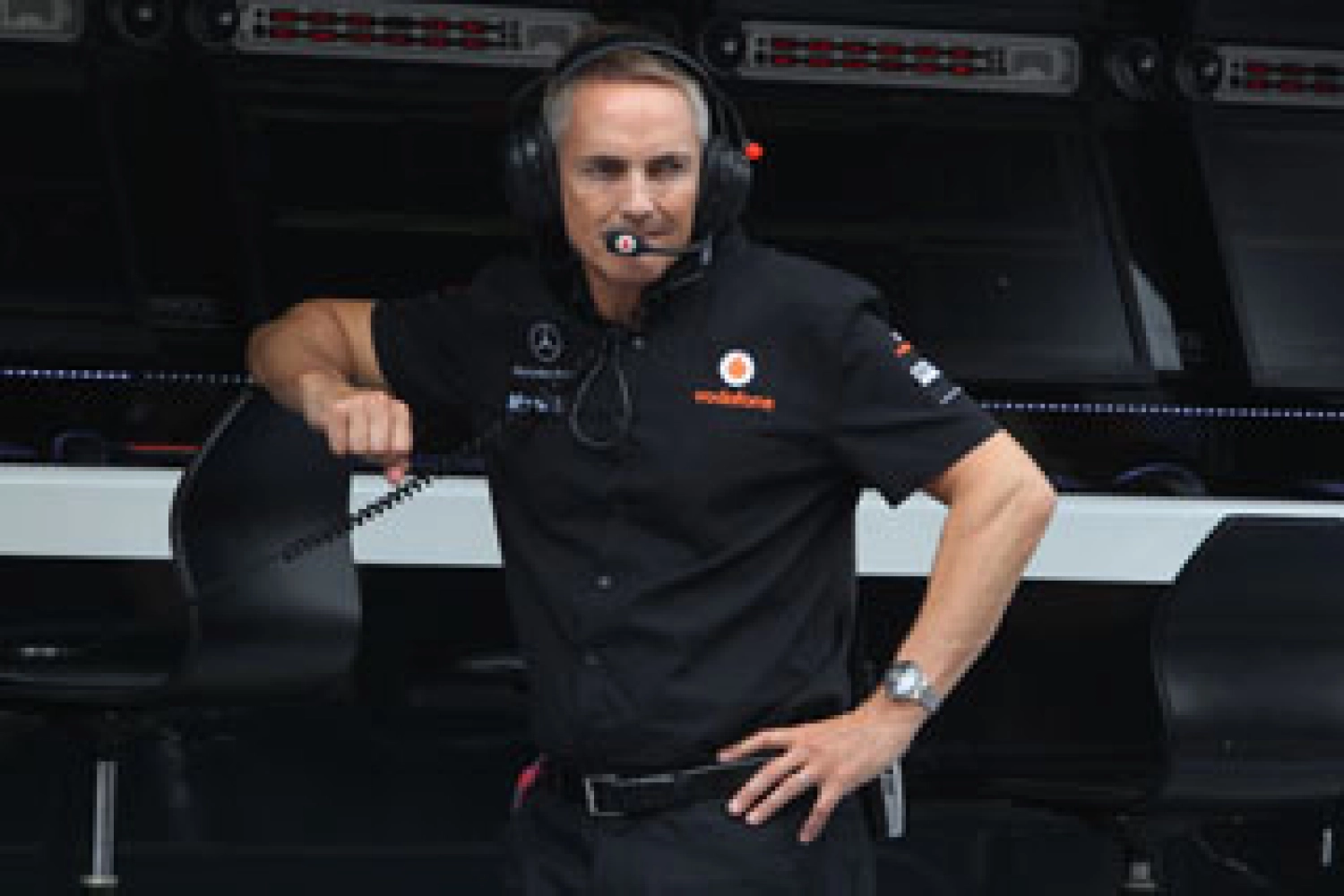
In October, the small world of Formula 1 will be heading to India for the first time. This first Grand Prix in the country is an event. Bernie Ecclestone hopes it will be successful and even envisions making F1 as popular as cricket among Indians. However, today, the FOTA, through its president Martin Whitmarsh, indicated that the teams might boycott this Grand Prix.
The explanation comes from a tax demanded by local authorities from the 12 teams in the championship. Specifically, the Indian government has requested the payment of a tax it considers to be its share of the annual revenues of the different teams in the league. This, obviously, poses a problem.
« It’s a serious problem that needs to be resolved, » declared Martin Whitmarsh on journalist Adam Cooper’s blog.
« The teams must be guaranteed that they can go to India. There is real concern among the teams, and this needs to be resolved. I’m sure it will be, but if it isn’t, then it would threaten the holding of the Grand Prix, » added the president of the teams’ association.
It is not common for teams to be involved in this kind of conflict, as all commercial aspects of F1 are traditionally handled by the FOM and Bernie Ecclestone.
« It’s a tax issue, which is not common. There are treaties between countries, and it’s an extremely complex problem. All the CFOs of FOTA are working together and are very concerned about this. We have hired Ernst and Young as consultants to try to find a solution, and we hope we will succeed. »
Note that the income of drivers is also affected by this measure of the Indian government.