Russia may not be ready for F1 yet
For Vitaly Petrov's manager, while Russia already has a driver and will soon have a Grand Prix, it lacks a true Formula One culture among the population.

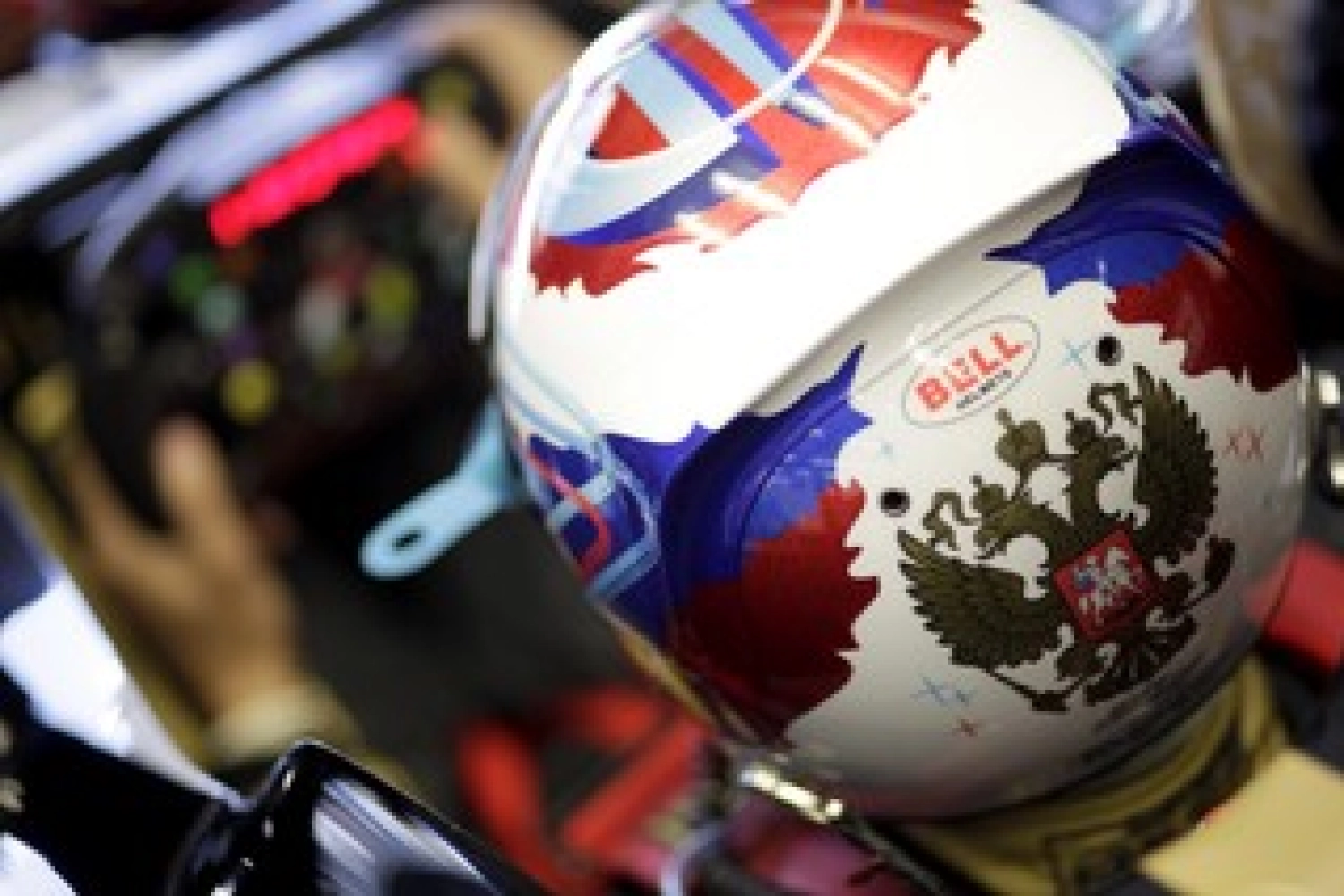
March 27, 2011, Vitaly Petrov steps onto the podium for the first time at a Formula One Grand Prix, simultaneously raising the new colors of Russia. A few months earlier, in November 2010, the sports car manufacturer Marussia acquired 40% of the Virgin team, with plans at one point to participate in the 2011 season under a Russian license. But before that, on October 14, 2010, Bernie Ecclestone and Vladimir Putin signed an agreement for the organization of a Grand Prix by 2014, in the city of Sochi, which will host the Winter Olympic Games the same year. The circuit should even be traced within the Olympic facilities currently under construction. Russia thus seems to be awakening to Formula One, and yet, according to Oksana Kossatchenko, the manager of Vitaly Petrov, the circuit is not the biggest challenge facing Russia: “Russia is a different country with a different culture. The problem with organizing a Grand Prix is not just about building a circuit, but I am really concerned about preparing the audience. We do not have any media specifically dedicated to motorsports in Russia,” she explains. “In England, there are a lot of magazines and in Russia, we had the magazine F1 Racing, but because of the investment required, they canceled the project. If you do not have the media, you cannot have an audience, and if you do not have an audience, why should you prepare the main stands if they will be empty?”
From this point of view, Russia is hardly an exception, as China, Korea, and even Singapore have hosted Formula One without the population having a true culture of motorsport. It is the desire to satisfy investors, political ambitions, and sometimes manufacturers seeking greater visibility in potential markets, that currently drives Grand Prix projects more than the pressure from local fans. Thus, there has been a shift from a policy of establishing a Grand Prix in a country with a culture of Formula One to the opposite reasoning, organizing a Grand Prix to foster the emergence of an F1 culture. This has sometimes led to significant failures, as evidenced by the low attendance at the Turkish Grand Prix, which led to its removal from the 2012 calendar despite widespread praise for the circuit.
For Oksana Kossatchenko, it is necessary for Russia to develop this renowned Formula One culture to ensure the long-term success of its Grand Prix: « There are things we need to do […] but we cannot do it without government support. That is why we still have a few steps to accomplish. First, we need to prepare the media, then prepare the public, and then the next Russian drivers. […] At the moment, there are no infrastructures in Russia, no promotion series, and karting is not really developed. That is why it is an investment we must consider before supporting a Russian Grand Prix. » The Russian manager knows what she’s talking about, as her protégé has an unusual background, having made his debut in the Lada Cup due to a lack of nearby infrastructures.