Blown diffuser restrained by the FIA
Nowadays in Formula 1, even the smallest development can have a significant impact on all the teams on the grid, as has been shown in recent years. Indeed, every development will be copied by the competitors if they deem the system reliable and believe it will provide a real advantage once installed on their car.

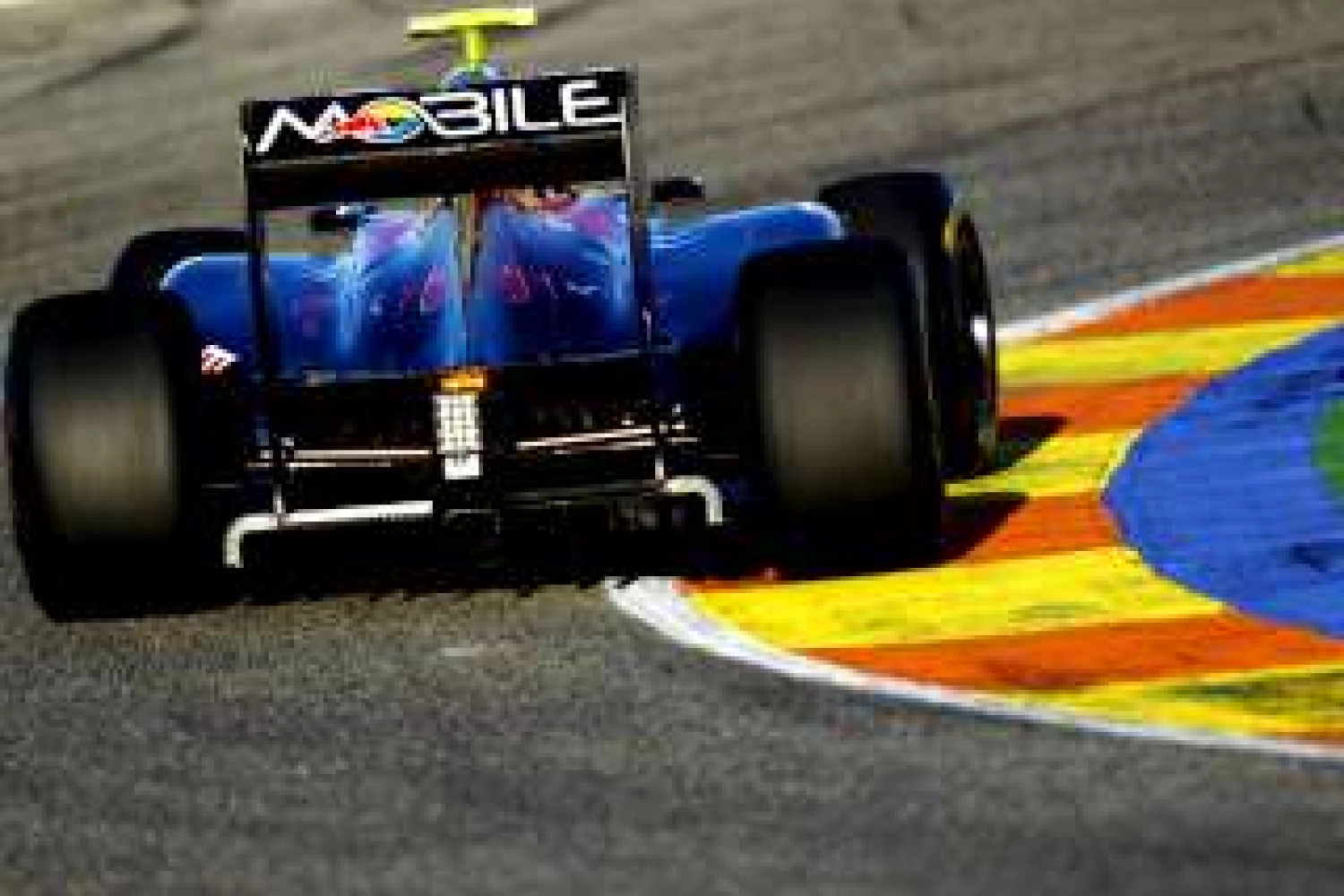
The blown diffuser had been one of its main developments that clearly appeared on the scene last year from the Red Bull Racing team. The team had even camouflaged it during winter testing, before revealing it just before the start of the season. But what exactly is this famous system everyone is talking about?
For a few years now, aerodynamics has been one of, if not the main sector in which a team must invest to achieve good performance, with engine freeze over the past few years. And since the regulatory change in 2009, engineers have had to generate maximum downforce solely with the aerodynamics of the single-seater. And everything happens thanks to the numerous air flows that come from all sides of the chassis, guiding it through precise circuits to increase the weight of this air on the single-seater.
This air therefore helps to press the car towards the ground, which allows for better stability. But despite this, some engineers feel that the level of downforce is not sufficient and are beginning to look for new solutions…
And so it was that some of its masterminds came up with the idea of using the famous exhaust gases emitted by the engine, which were previously simply expelled from the rear of the single-seater, under the diffuser. The engineers had the idea of using them to blow a large amount of hot air into the diffuser at the back of the car, which provides a relatively significant downforce gain. Many teams have copied this system, and some teams even designed their 2011 cars around this innovation.
But the only problem on the horizon is that this level of support is not permanent, as it depends on exhaust gases that are not at the necessary level when the driver is braking.
So the teams had to work closely with their engine partner (as Red Bull and Lotus Renault do with the staff of Renault Sport F1, their engine supplier) to adapt their use of the engine to this innovation. As a result, some teams managed to ensure that the same amount of exhaust gas was present at all times at the outlet, even when the driver was not touching the accelerator. This allows them to guarantee the driver a stable level of downforce at all times, whether during braking or at full throttle.
And it is this precise point that the FIA decided to restrict after the 2011 Spanish Grand Prix, by preventing engine operators from using them as they wish. Starting from the Monaco Grand Prix the following week, when the driver releases the accelerator, the engine will only be able to release 10% of the maximum exhaust volume at the moment it is at full load. This will result in a sudden loss of downforce between the moment the driver is at full throttle and the moment they brake, due to the absence of a certain volume of exhaust gases that will no longer be able to act on the ‘blown’ diffuser.
It will therefore be necessary to expect some drivers to change their way of driving as they approach corners, but since the majority of teams are equipped with such a system, everyone will be affected, albeit to varying degrees. The first changes will be seen as early as Monaco, on a track where downforce is a very important component for being well positioned.