The adjustable rear wing: Good for the show, dangerous for the drivers?
One of the new features of the 2011 regulations is the introduction of an adjustable rear wing, but what is it really all about?

For several years, the spectacle on Formula 1 circuits seems to be gradually diminishing, primarily due to the lack of overtaking on the track. Indeed, as Fernando Alonso noted in Abu Dhabi, some tracks offer no opportunity to gain a position.
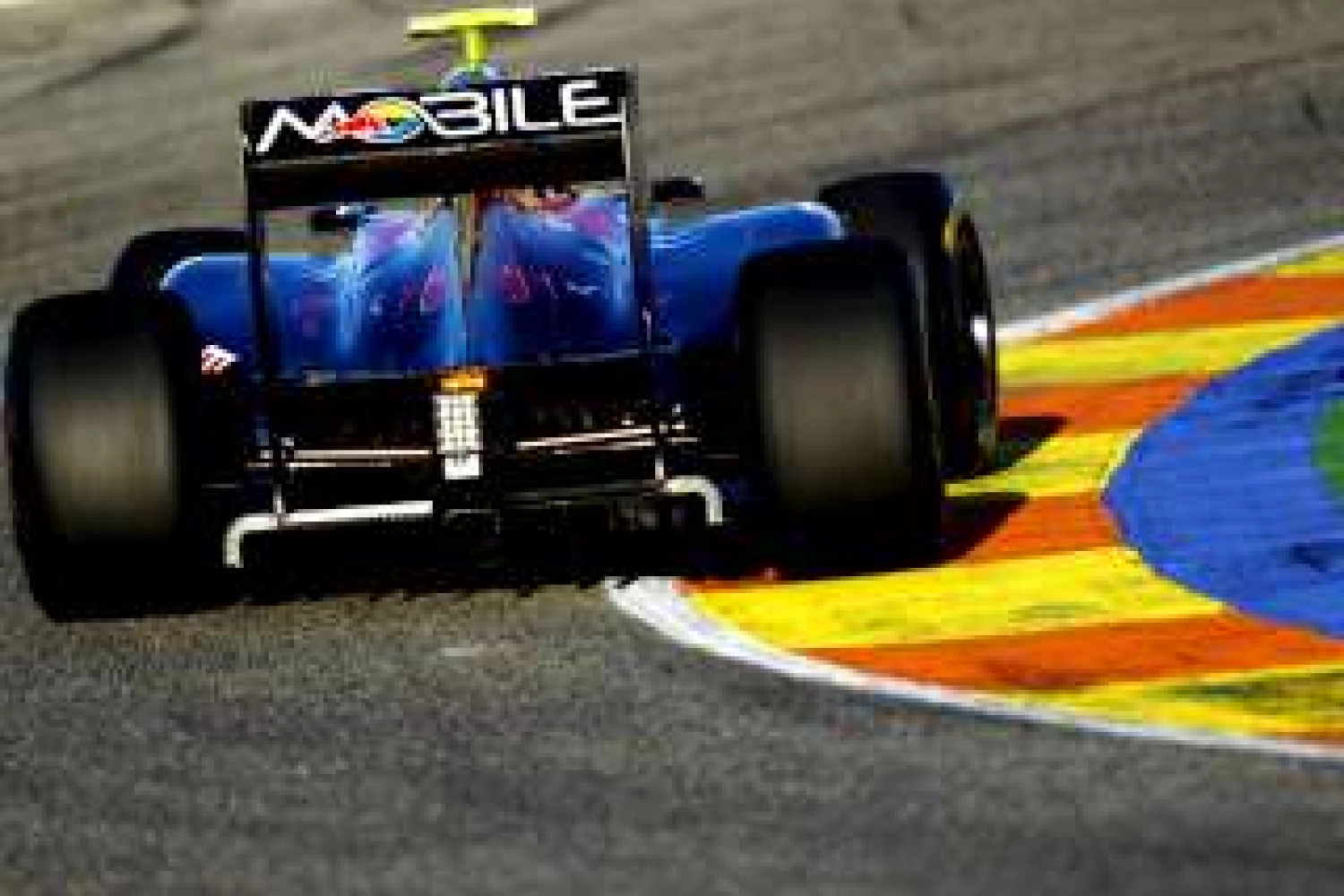
It was under these circumstances that the Adjustable rear wing was born. With a command from the steering wheel, a section of the wing changes its inclination, allowing it to act somewhat like the F-Duct did last year, offering a significant speed gain on the straight by temporarily reducing downforce. However, unlike the previous system, its use will be extremely regulated.
Indeed, while its use will be at the discretion of the drivers during the three practice sessions and qualifying, the necessary conditions in the race will be very limited.
To activate the rear wing tilt, the driver must be within one second of the car ahead at a point on the circuit chosen each weekend. If this is the case, race control will send a signal to the cockpit allowing the driver to use the system over a 600-meter straight area, also chosen by the FIA and clearly marked by white lines on the track. The car being followed is prohibited from using the wing and must defend against a driver with a higher top speed by a few km/h.
Some drivers have indeed protested against this limit, believing that 600 meters will be too short to properly mount an attack. The race management can decide after the free practice sessions, as in Australia where tests will be conducted, to modify it.
But these overtakes might sometimes turn into acrobatics. On several occasions, we have seen drivers make impressive slides at the end of straight lines during overtaking attempts, after going off-track on a dirty surface. So what will happen now that the drivers have KERS at their disposal, which can be used at any time, along with a temporary reduction in downforce? The top speed at the end of the straight will be very important for a driver attempting an overtake, as they will find themselves on a dirty part of the track, especially with the Pirellis degrading much more than last year’s Bridgestones. Once they reach the braking point, the downforce level will return to its original setting, and the braking will be stronger than before, off-track, which might lead to some slides from drivers who are a bit too daring.
Another question to consider concerns the few circuits where very little downforce is needed, such as the Belgium or Italy circuits. We remember that some teams had given up using the F-Duct during the race at Monza in 2010, so what will happen with these wings? Teams are already using very specific settings for these circuits, with the minimum possible downforce; might there not be an undesirable effect when the wing is activated, which would remove some of this downforce?
The adjustments are expected to be a real headache for the engineers. With the unlimited use of the wing during qualifying, the car can adopt a slightly more loaded setup in terms of downforce, which will be compensated on the straights by the activation of the system. However, this won’t be possible during the race, and the loss of top speed between qualifying and the race will be even more noticeable. Therefore, finding a certain balance will be challenging.
The last troublesome point about these wings concerns the drivers themselves, who now have an additional control on their steering wheel. Some thought they had seen it all with the use of the F-Duct with their hands, recalling the first version at Ferrari which forced their drivers to let go of the wheel on the straights. But the introduction of KERS and the adjustable rear wing adds two more buttons on the wheel, forcing them to a balancing act with the many features of their steering wheel. The reigning world champion even compares it to “driving on the highway while texting,” even though some other drivers claim they have adapted to it.
This new way to enhance the spectacle can therefore perfectly fulfill its role after a few races necessary to clarify everything surrounding it, but it can also become dangerous. It remains to be seen if the talent of the drivers and their teams can make the most of it, a question to which part of the answer will come in Melbourne this Sunday.