Winter Testing: Representative of the Current Strengths?
The private tests this winter of 2011 did not see any team outrageously dominate the others during all the sessions. Indeed, four different teams topped the timesheet on three different circuits for the four test sessions. The initial tests in Valencia saw the arrival of new cars, but some teams chose to run with their […]

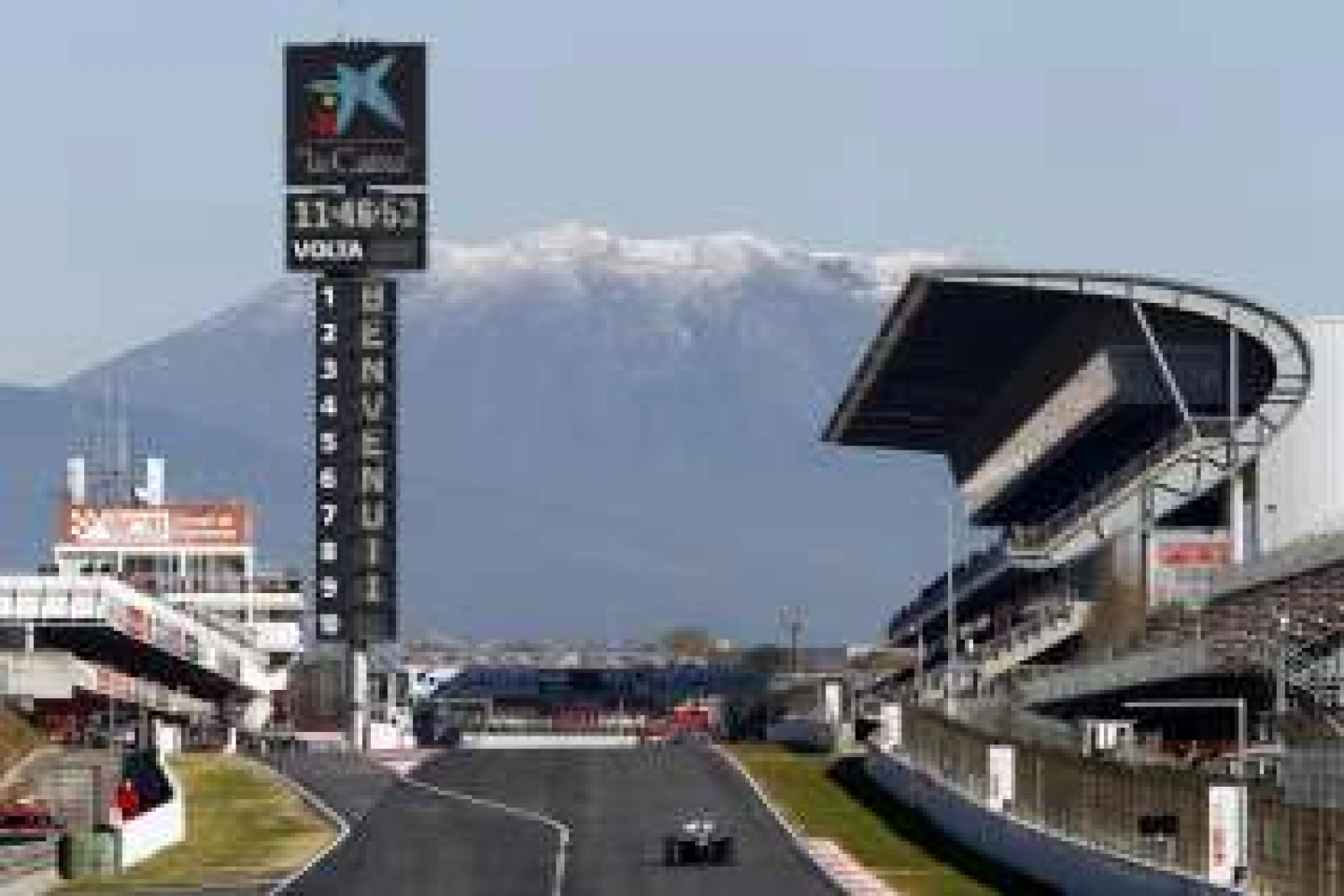
The private tests this winter of 2011 did not see any team outrageously dominate the others during all the sessions. Indeed, four different teams topped the timesheet on three different circuits for the four test sessions.
The initial tests in Valencia saw the arrival of new cars, but some teams chose to run with their old model to spend more time in the wind tunnel and also to test the Pirelli tires with a car that is perfectly familiar to them. Despite the loss of downforce of the 2011 cars compared to those from 2010, it was Robert Kubica who brought the Lotus Renault to the top of the timesheets, in the only test session he was able to participate in, as he suffered a serious rally accident a few days later.
The Jerez tests, on the other hand, were conducted with all the new single-seaters, except for the one from HRT. The times set by Schumacher were criticized by some drivers, considering the lap too fast not to be a bluff, before this time was surpassed by Rubens Barrichello at the wheel of his Williams.
The last two practice sessions took place in Barcelona, the political events in Bahrain,
The session scheduled on this track was replaced by another on the Spanish circuit.
The first session saw Felipe Massa climb to the top of the timesheets with his Ferrari, closely followed by Mark Webber, while some rumors suggest that Red Bull is hiding its true capability. Toro Rosso took advantage of the situation to reappear at the front, making a significant step forward compared to the previous year.
But the last session was the one with the most surprises. Webber and Vettel took turns pushing the RB7 to the top of the timesheets, before an amazing Sergio Perez, driving his Sauber, dethroned them on the third day, with a lap described as very fast by the reigning world champion. What then to say about the lap that the seven-time world champion, Michael Schumacher, set the next day with a Mercedes equipped with new improvements. His teammate even secured the third fastest time of the session in the last hour, before taking first place the following day on a soaked track.
In terms of reliability, Ferrari seems to be clearly above the rest, followed closely by Red Bull, which last year had this major weakness costing them many points. Conversely, this year’s McLaren seems to be having some issues, and no information has come to reassure from the HRT side. Indeed, the team that was supposed to run the last day of testing with its new car could not do so due to parts stuck in customs. The team ends up with zero kilometers on the counter for this year, just like the previous one.
For performances, it seems that Red Bull and Ferrari are leading, but Mercedes’ surprising comeback in the last session can cast doubt. Lotus Renault is just behind and wishes to fight with the top teams, while McLaren will first need to resolve its reliability issues before thinking about the title fight. In the midfield, Toro Rosso seems to have made a leap in the hierarchy, impressing several teams, while Sauber made a splash in Barcelona. Team Lotus has made good progress, according to its drivers and opponents, whereas Virgin does not seem to be at the expected level. As for HRT, it would be utopian to think that without any winter testing, the team could reach the level expected by Collin Kolles, the sixth place in the constructors’ championship.
But not all teams may have played fair, with completely different programs, highly variable fuel loads, and KERS in use or not. Therefore, the information on performance is far from absolute, unlike reliability, which can cost a championship. The initial hierarchy will be revealed on Saturday, March 26, during the Australian Grand Prix qualifiers, although it will take several weeks to establish a realistic one.