The technical innovations of Barcelona
The 2022 season is particularly rich in technical innovations. While the return of ground effect is the major phenomenon, teams have redoubled their efforts to enhance the aerodynamic downforce of the single-seaters.

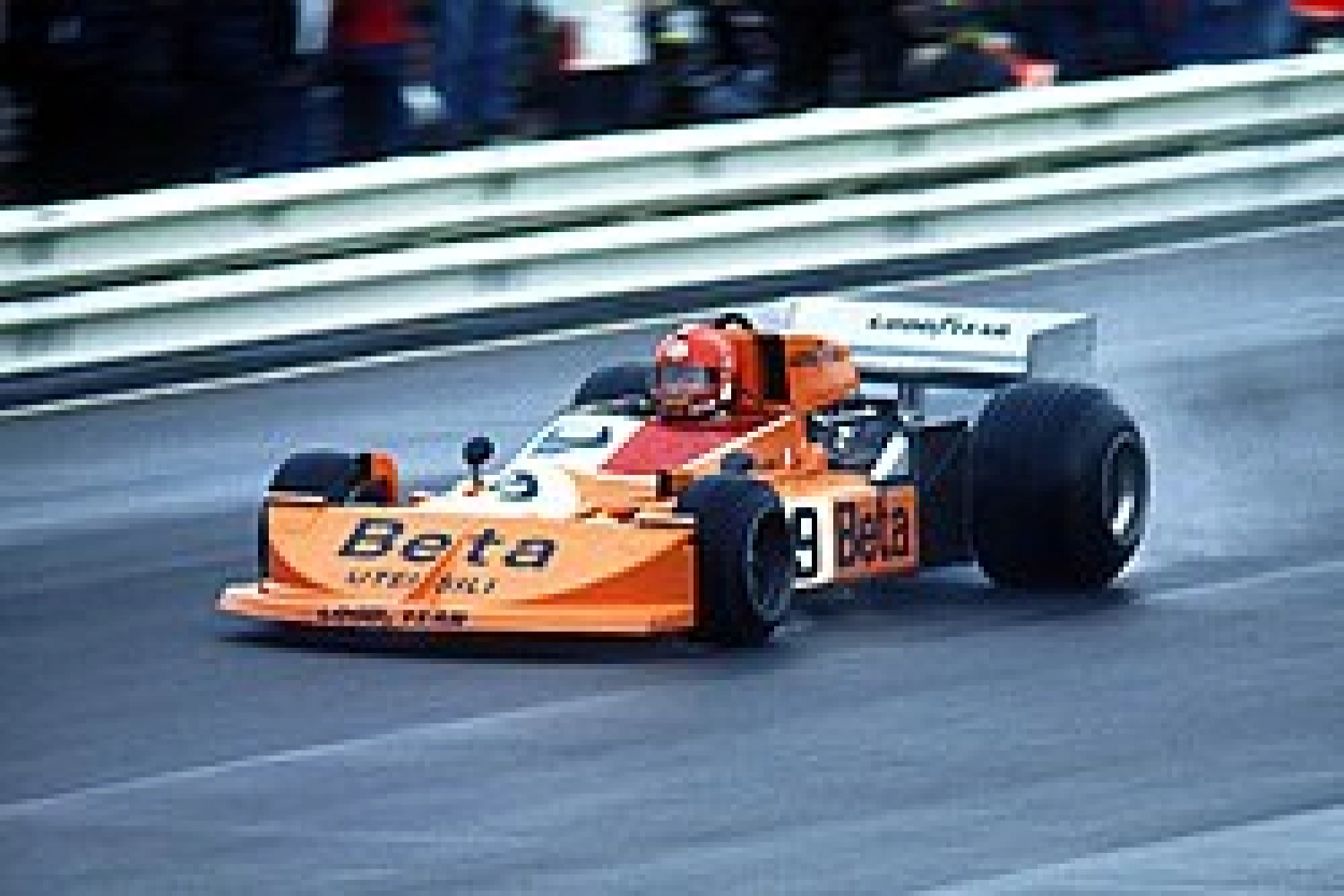
First, let’s remember that the ground effect is not a novelty, as it was initiated by Colin Chapman (Lotus) in 1977. However, the concept was considered too dangerous at the time and quickly fell into oblivion. The flexible side skirts with sliding skids and the Venturi tunnels that allowed this phenomenon were banned from cars in 1983 for safety reasons. Since then, the focus of engineers has been on the monoposto wings, as they generate aerodynamic downforce.
However, the engineers had to solve a puzzle. Indeed, the dirty and turbulent air caused a loss of 35 to 46% of downforce for a following car placed ten or twenty meters behind. This single-seater found itself unable to overtake or even keep up with the pace. That is why the traditional floors are replaced by two long tunnels (Venturi), creating an area of extreme low pressure and thus, a large amount of suction. By doing so, the air is much cleaner in the wake. The loss of downforce for the following car would then, in theory, drop to only 18% (at 10m) and 4% (at 20m).
In summary, the priority is given to the underbody of the car rather than the wings. It is especially important to talk about the shape of the underbody, which has been flat since 1983, explains Jean-Claude Migeot, an aerodynamics engineer. This new system should create more battles on the track and therefore more excitement at the same time.
However, teams could quickly face another problem because, with more aerodynamic support, comes increased drag on the track, distorting the theoretical numbers.
Visible innovations on the Spanish track.
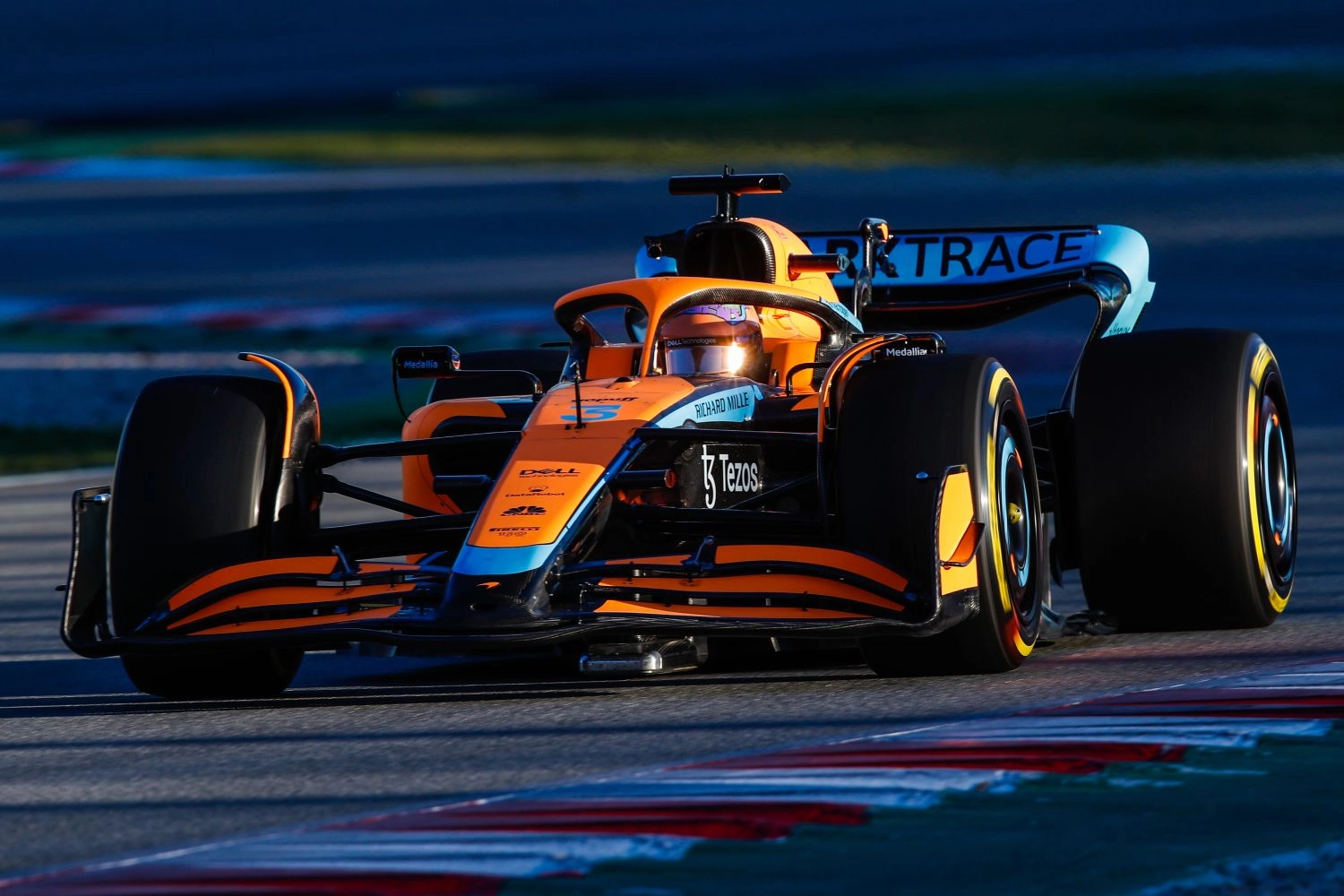
During the Barcelona tests at the end of February, the teams unveiled their cars for the 2022 season, revealing most of the technical specifications. For example, the front wing of the McLaren MCL36 consists of a main plane, a wide-chord secondary flap, and two short-chord upper flaps. Additionally, the flaps on the sides of the wing are angled, allowing Formula 1 to divert the airflow outward.
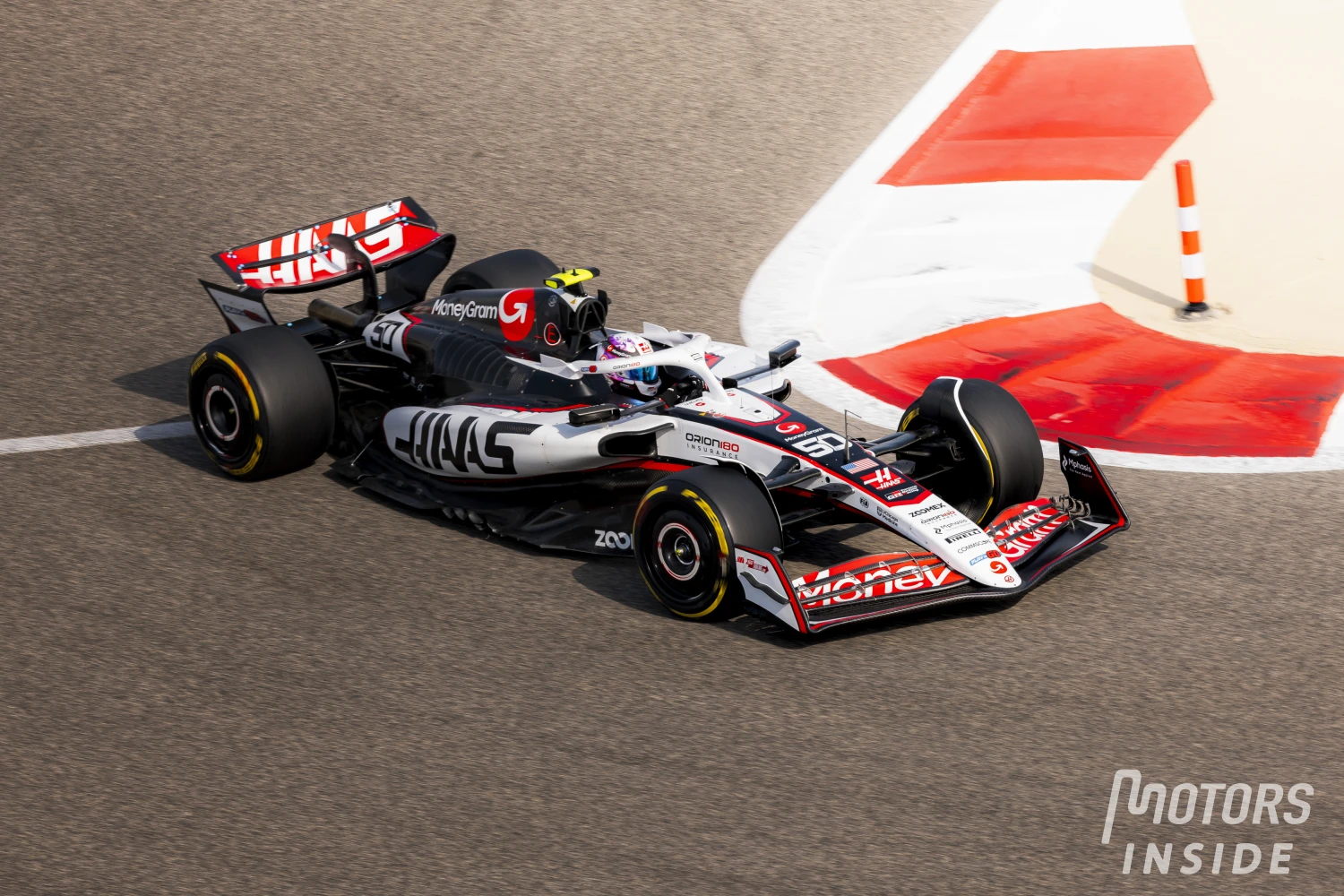
The teams have also made changes to the floor of the Formula 1 cars, like Ferrari’s F1-75 or Haas’ VF-22. While Scuderia Ferrari opted for a tongue-shaped flap mounted underneath, Haas also took advantage of this allowance given by the regulations. On the other hand, at Mercedes, the engineers preferred a wavy front edge of the floor of the car.
Regarding the brakes, the engineers had and still have their work cut out for them. Since a larger brake system is legally unfeasible, the teams have therefore redirected their efforts towards temperature management. At Red Bull, the series of cooling ducts around the cockpit has been extended. However, other teams are still searching for the most suitable solution.
The teams will have to work on their cars again, and it is likely that certain parts will be added before the Bahrain tests to address the issues encountered during the trials such as porpoising.