“The fourth DRS zone would have offered more spectacle according to Esteban Ocon”
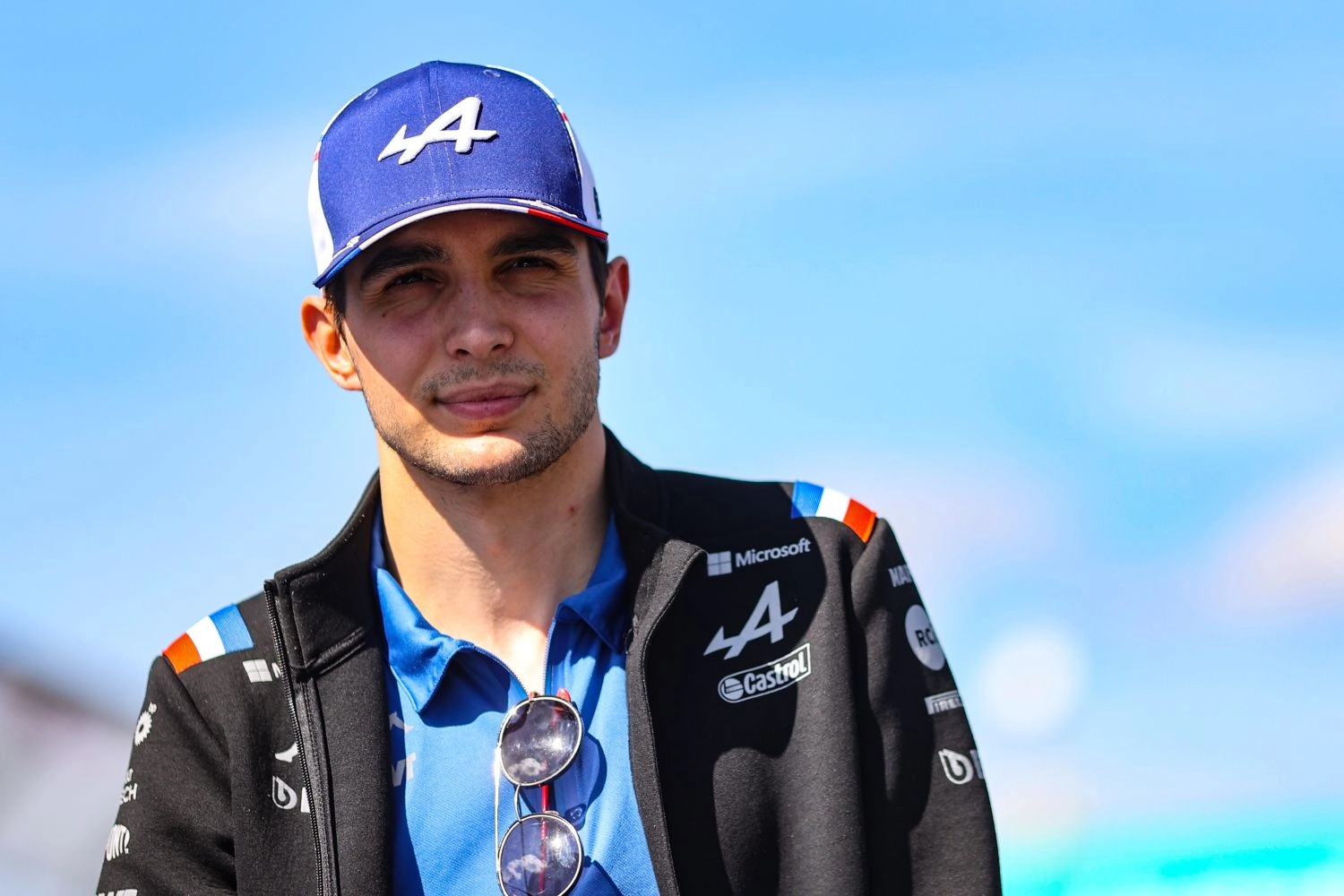
According to Alpine driver Esteban Ocon, the famous fourth DRS zone would have allowed for more overtaking in Melbourne.

For its big comeback to the calendar, the Albert Park circuit has undergone a makeover. Widened turns, renewed asphalt… The organizers even decided to add a fourth DRS zone between turns 8 and 9, a first in Formula 1. However, this zone has divided the paddock. And when it comes to arguments, Spanish driver Fernando Alonso had the last word.
Indeed, the double world champion requested his withdrawal for safety reasons. That is why, a few minutes before the third free practice, the fourth zone was simply removed.
But during the race, this removal ultimately disadvantaged certain drivers, such as his teammate, Esteban Ocon. Although the latter ended up agreeing with the Spaniard on the danger of an open DRS before a fast chicane, he found himself stuck behind Alex Albon for a good part of the Grand Prix.
« We were very close, but we couldn’t overtake,” the Frenchman confessed. « I think maybe what we were missing was that fourth DRS zone, to be honest. It was probably dangerous to have it, but that’s where I was closest. It’s risky to overtake at such speeds, and I agree that it was better to remove it for safety, but it’s probably what we were missing to have a bit more spectacle,” Ocon revealed.
Ocon however finished in seventh place at the Australian Grand Prix. A good result for the Frenchman in search of points early in the season. His teammate, on the other hand, had a very difficult race. Alonso didn’t finish in the points, finishing in seventeenth position.