The attempt to cancel the Miami Grand Prix has been rejected by the judge
The attempt to cancel the Miami Grand Prix by neighboring residents of the circuit has been rejected. The judge decided that the risk of hearing loss was "highly speculative".

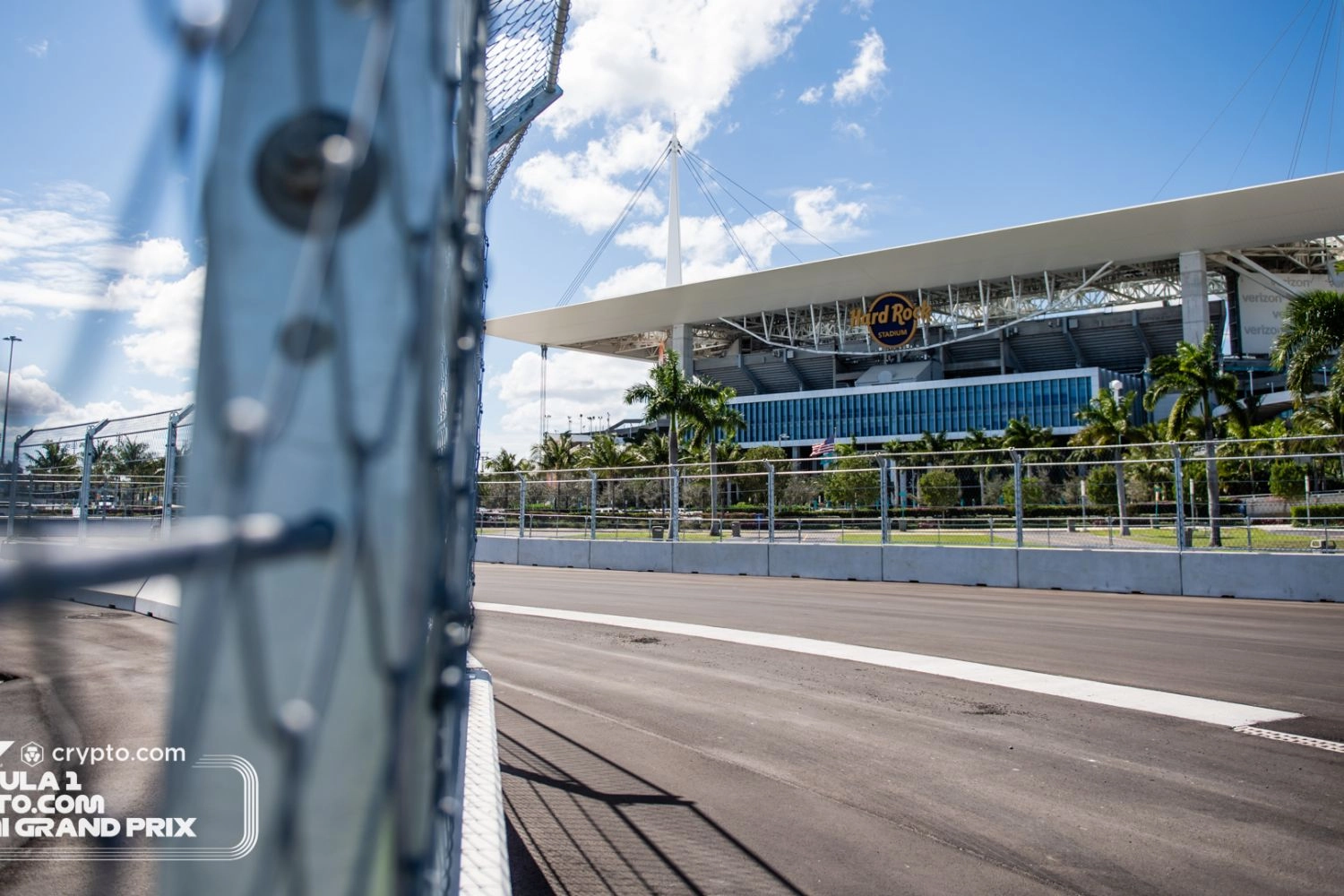
The Miami Grand Prix will indeed take place.
“After several days of uncertainty related to the attempt to cancel the event by neighbors of the track, Judge Alan Fine has rendered his verdict. The magistrate did not rule in favor of the plaintiffs, judging in particular that the potential injuries caused by the noise of the Formula 1 cars were only « highly speculative.”
« The main thing is that I will not schedule a preliminary injunction hearing before May 6th (the start date of the Grand Prix weekend, note), “explained the judge, before detailing the reasons for his decision. « Two [reasons] are more important than the rest. Although the burden may seem unfair to the plaintiffs, I believe that any potential harm is avoidable,” ruled Alan Fine.
“>who had already asked during the first hearing whether earplugs or staying at home would simply avoid possible injuries.”
» In addition to that, the evidence provided of potential hearing losses is, in my opinion, highly speculative. It is not based on any current information regarding the noise from Formula 1, and the sworn statement from last night does not take into account the south wall (a soundproof wall, note). », continued the magistrate.
Judge Fine also regretted the late introduction of the appeal (on March 21) by expressing doubts about the legal justification for waiting until a permit for special events is issued before taking action. If the Miami Grand Prix 2022 does take place, the plaintiffs still have the option to pursue future actions after the event in an attempt to cancel upcoming races on the Florida track. Additionally, the Grand Prix is bound by a 10-year contract with Formula 1.
Judge Alan Fine expects a complete presentation of evidence within four to five months. The Hard Rock Stadium, around which the circuit is located, will monitor noise during the event. The data collected could support a new appeal if the noise proves to be genuinely dangerous for the residents.