Belgian Grand Prix: The key events from the previous races
Fatal races, major accidents, epic battles, legendary overtakes... The Belgian Grand Prix is part of those historic circuits that have witnessed memorable moments in Formula 1 history. Here are some of them while waiting for the race weekend.

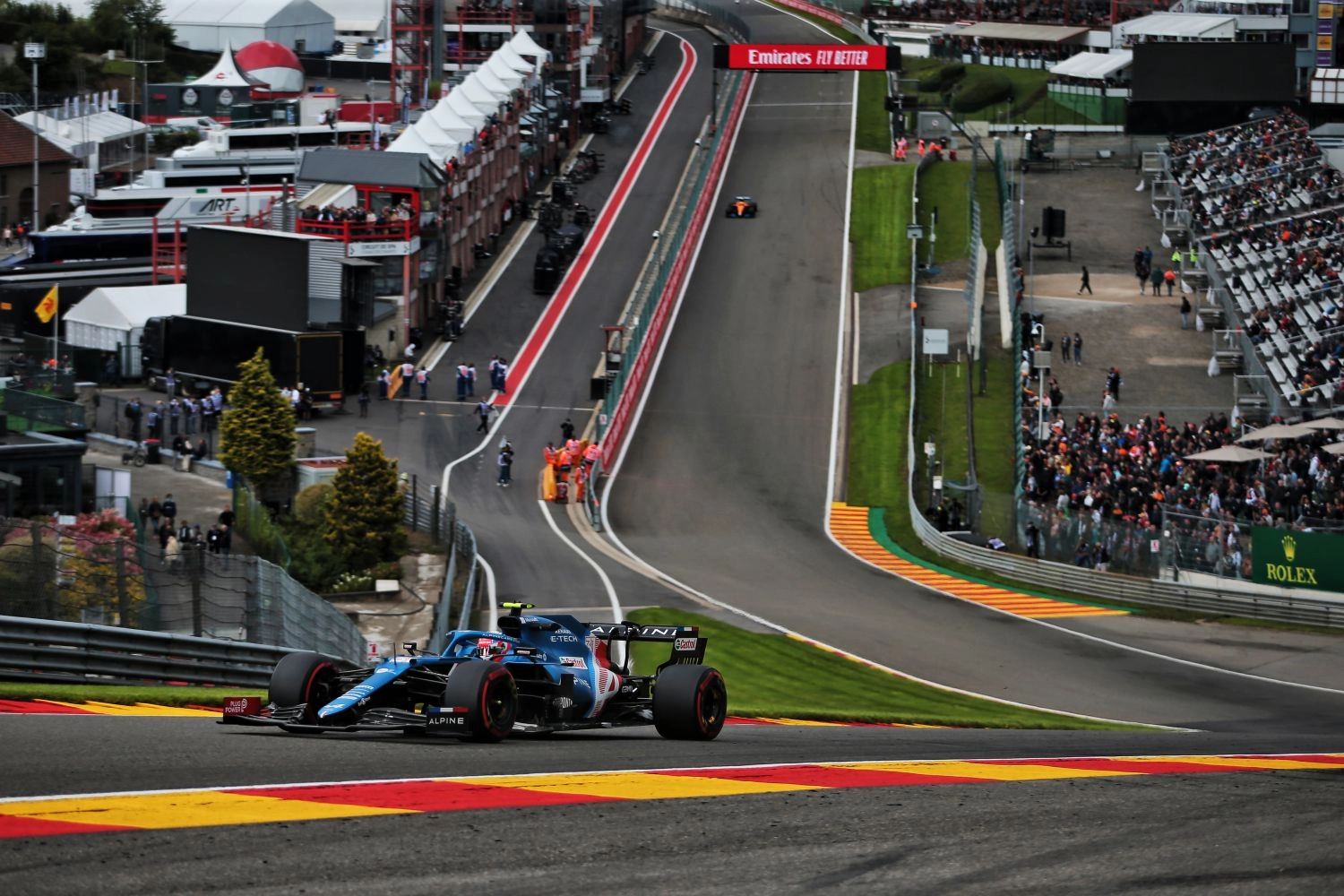
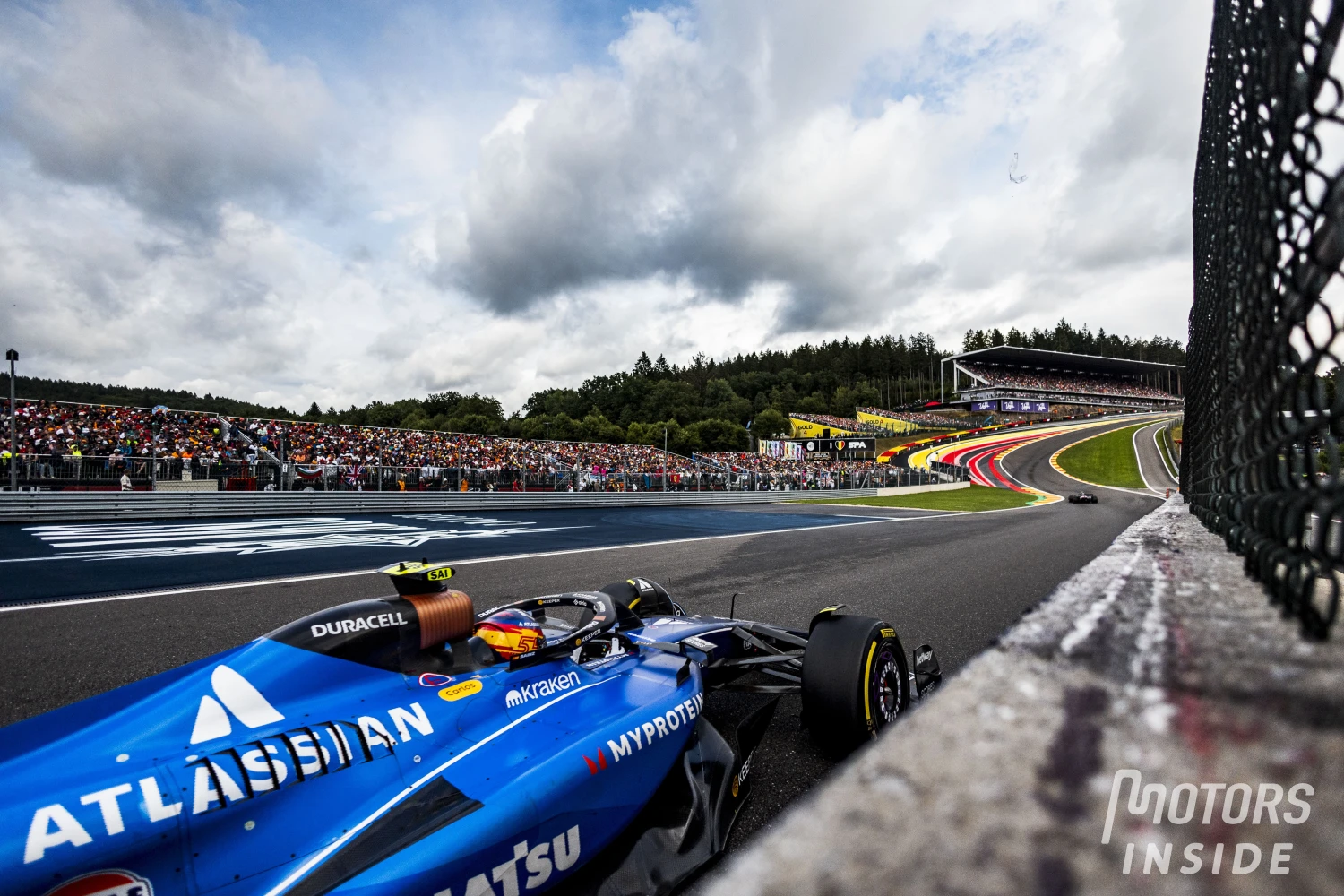
The Belgian Grand Prix is regularly the stage for lively races. The technicality of this dynamic track, combining changes in elevation, technical turns of varying speeds, as well as often capricious weather, is the perfect mix for a race that is often eventful and full of excitement.
1960, the tragic fate of Alan Stacey and Chris Bristow
Historically, the track is described as being dangerous. With single-seaters providing little safety guarantees, any excursion off the track can prove to be dangerous. Unfortunately, in 1960, Alan Stacey and Chris Bristow lost their lives in separate accidents. Alan Stacey was a victim of a crash after being struck directly in the face by a bird. Chris Bristow also met his end in the same turn as Stacey, the Burnenville corner. In 1970, speeds were considered too excessive, increasing the risk of accidents. The relocation of the Grand Prix was then decided and took place subsequently in Nivelles, near Brussels, before fading into oblivion.
1998: An unprecedented double.
Once again, the rain is pouring heavily on the Ardennes circuit, causing a pile-up at the start and taking more than half of the single-seaters out of the race (13/22). This incident leads to a second start. A few laps later, Mika Häkkinen spins at the Source corner, handing the lead of the race to Damon Hill, who was driving for the Jordan Mugen-Honda team. Michael Schumacher manages to overtake him, but then collides with David Coulthard while lapping him. In the end, Hill wins the Grand Prix and achieves a one-two finish with Ralf Schumacher, creating a historical result for the team.
One of the most legendary overtakes in 2000
In 2000, the Grand Prix was marked by one of the most iconic overtakes in the history of Formula 1. Of course, I am referring to Mika Häkkinen’s overtake on Michael Schumacher, on the straight leading to Les Combes, with four laps remaining. The German driver overtakes the backmarker Ricardo Zonta on the left while the Finnish driver shifts to the right side of the track, managing to pass both cars at over 330 km/h to take the victory.
2008, Räikkönen loses the world title, Hamilton penalized.
Lewis Hamilton is the author of the pole position with his McLaren-Mercedes. But from the second lap, he makes a mistake after spinning out at the Source hairpin. This gifts the lead of the race to his rival for the world title: Kimi Räikkönen.
On the 41st lap, while not much was happening, the rain comes in and completely disrupts the unfolding of the Grand Prix. For two laps, the Finnish and the British engage in a sublime battle. Unfortunately, it does not end as hoped, Räikkönen finishes his race into the wall.
Felipe Massa finishes the race in second position, quite far behind Lewis Hamilton, but he is eventually declared the winner following a penalty imposed on the British driver. It was deemed that the McLaren driver gained time after cutting the chicane during his duel with the Ferrari No. 1, even though he later gave back his position to Räikkönen.
2012, Romain Grosjean guilty of a terrible accident
From the start, French driver Romain Grosjean was leading the race. While he was making a great start, he veered to the right of the track, squeezing the McLaren of Lewis Hamilton. The British driver clipped the rear wing of Grosjean’s Lotus. As a result, both drivers lost control of their cars, which then collided with Fernando Alonso’s Ferrari and Sergio Perez’s Sauber.
Fortunately for the drivers, there are no injuries, only the cars are completely destroyed. This accident ends Fernando Alonso’s title hopes. This incident will result in Romain Grosjean receiving a one-race suspension at the next Grand Prix, the one in Italy, as well as a fine.
2021, the shortest Grand Prix in history.
The 2021 edition was historic for a very sad reason. The race was interrupted by a red flag. The Belgian Grand Prix officially lasted only one lap of 6.880 km in 3’27″017, making it by far the shortest in history, surpassing the German Grand Prix in 1971 (12 laps for 274.02 km in almost an hour and a half) or the Australian Grand Prix in 1991 (14 laps for 52.92 km in 24’34″899). It was also the sixth time in history that only half of the points were awarded. Saturday was already quite eventful with qualifications on a wet track, which caused a violent crash for Lando Norris, and Sebastian Vettel’s anger who had already demanded the session to be interrupted.
Some facts were interesting to note following the race. Nikita Mazepin had set the fastest lap during the race in 3’18″016 but was not credited for it. George Russell had given Williams their first podium since the Azerbaijan Grand Prix in 2017, and the team’s best result since the Abu Dhabi Grand Prix in 2014.
Carlos Sainz has completed only two laps in the last three editions of the Belgian Grand Prix combined. Hopefully, the Ferrari driver will have better luck this time. However, be careful of the rain, which could make an appearance during the weekend and potentially cause some pile-ups.