According to Pat Symonds, the FIA’s reaction to the “porpoising” was excessive
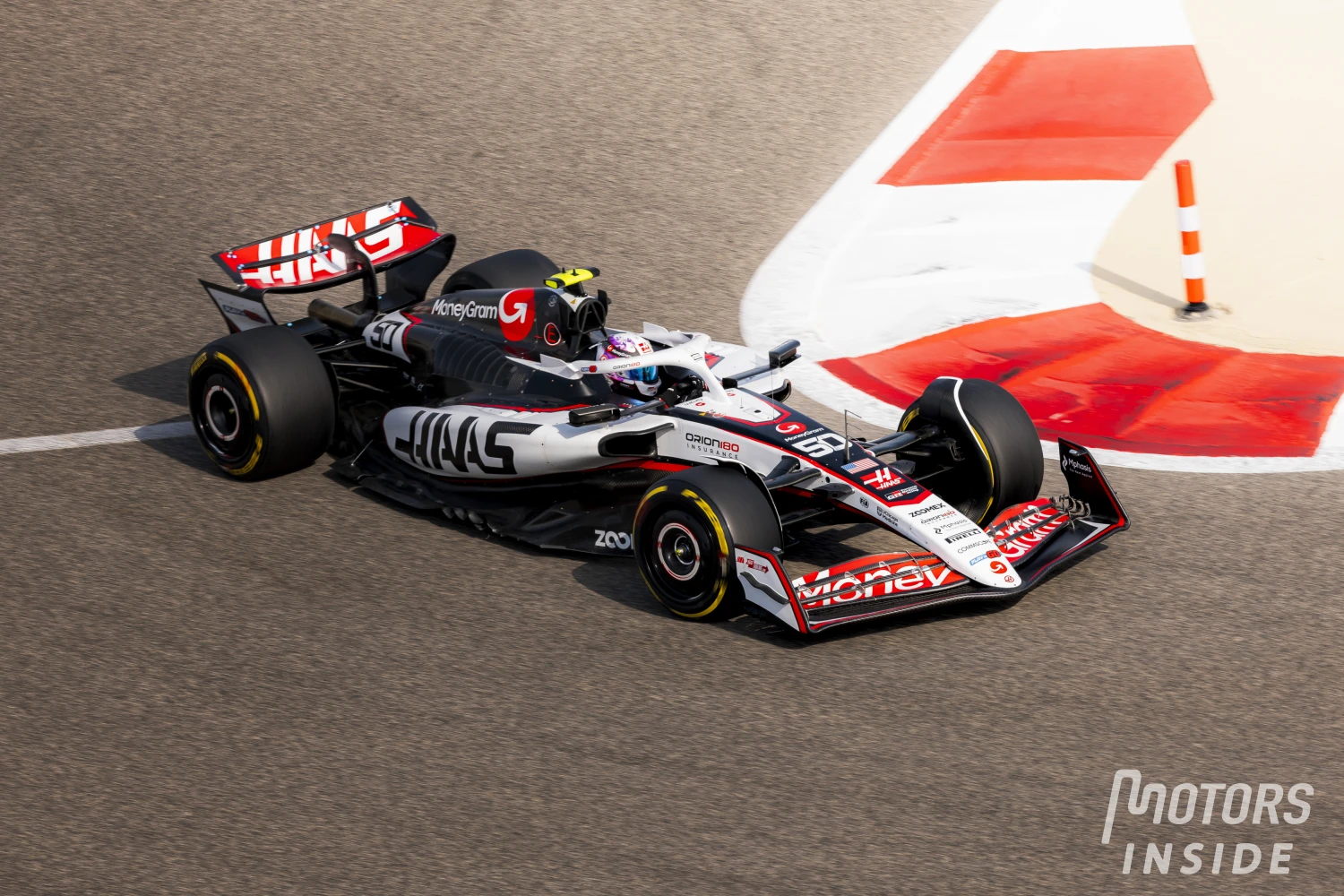
In order to promote overtaking once again, the fins placed on the upper part of the bodywork have been removed for the 2022 season and the floor has made a comeback. But with a floor also comes the "porpoising" effect, this violent oscillation of the single-seater which owes its name to the marine animal. With the porpoising effect identified, the FIA has attempted to address it with the drafting of new regulations. Pat Symonds, a British engineer, finds this reaction inadequate.

The advantage of the Venturi effect in duels.
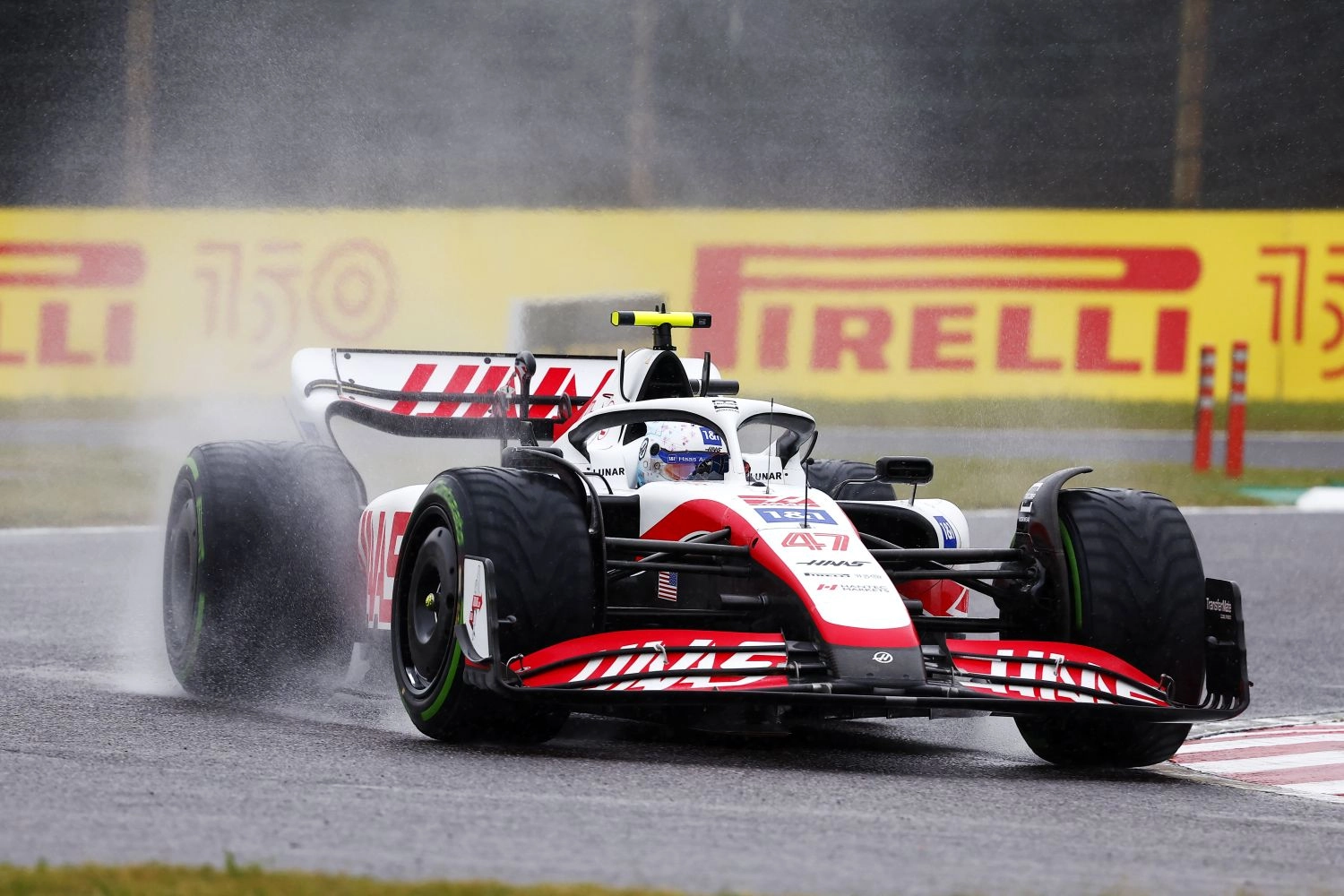
The single-seaters were stripped of their rear wings and side deflectors, and manufacturers opted for a return to the floor. This floor acts as a suction cup thanks to Venturi effect tunnels. By accelerating the airflow in a confined space, creating a funnel along its path before gradually releasing it, the Venturi effect generates downforce through a difference in pressure between the underside and the top of the car, which then creates a lift.
But then how does this ground effect favor duels?
Thanks to the Venturi effect, it doesn’t matter whether the air is of good quality or not, and it doesn’t matter how the air flows. On one hand, the air can be polluted, and it won’t matter. Since the ground, by definition, provides more stable conditions, it is the very reason for the generation of downforce and therefore allows for more practical consistency. On the other hand, the air flow that is extracted at the back of a tunnel is ejected through a diffuser. This diffuser gradually and cleanly opens up. The outgoing flow is controlled and less chaotic. As a result, the ground effect disturbs the air mass behind a passing car much less.
Because, in 2021, at the time of the fins, the following car was losing 35% of downforce at 20 meters and 46% at 10 meters. Now, it only loses 5% at 20 meters (7 times less) and 18% at 10 meters.
The consequence: the effect of “porpoising”
Nevertheless, while the ground effect created by the floor is very beneficial for overtaking and allows the following car to have less loss of downforce, it generates a strong porpoising effect. In a straight line, the faster the single-seaters go, the more they bounce. Mattia Binotto had notably pointed out that this effect occurred mainly when the car exceeded 250 km/h. This couldn’t be observed before the tests since the maximum allowed speed in the wind tunnel is only 180 km/h. While this effect was worrisome as it could damage the car, it also worried the drivers who were forced to endure this effect for dozens of laps during a race.
Pat Symonds disagrees with the FIA’s reaction to the “porpoising.”
If the British engineer plays a role in the new regulation to overcome this effect, he does not agree with the way the FIA has handled the issue. He describes the reaction as “excessive” in the face of the events observed in Baku.
Symonds admits that the effect was not taken into account when drafting the new regulation as the problems arose at the beginning of the season. However, he confesses that he could have suspected it since he had previous experience with the ground effect. In fact, the Briton started in the early 1980s with Toleman, which, after a takeover, became Benetton and then Renault. Therefore, he admits that he could have seen it coming, but simply forgot about it…
“There is no doubt that the turnaround has changed things,” he stated in a conversation with Auto, Motor und Sport.
Pat Symonds claims that the FIA intervened on the issue after enduring persistent lobbying from Toto Wolff at Mercedes. Following the Azerbaijan Grand Prix, where Lewis Hamilton crawled out of his car, the team boss had cited medical reports as evidence that “porpoising” had a negative effect on the drivers’ health.
“I think they reacted a bit excessively after Baku,” said Pat Symonds.
In Baku, we saw the worst repercussions because a team tried something that didn’t work and then made it quite vehemently public,” he continues. “If they hadn’t intervened, the problems would have been resolved. Most teams now understand how to control rebounds.
Bumpy road to the top for Charles Leclerc! 🤕#F1 pic.twitter.com/Z6a5e6d3bo
— Formula 1 (@F1) February 24, 2022