The behind the scenes of the transformation of Singapore into an urban and nocturnal F1 Grand Prix
Singapore, a pioneer of night racing in Formula 1 since 2008, is gearing up to host its 15th Grand Prix on the narrow streets of its city center. The Marina Bay Street Circuit, built in several stages, embodies technical and logistical excellence. In this article, we take you behind the scenes of these impressive operations that transform the heart of the "Lion City" into one of the most spectacular circuits on the F1 calendar.

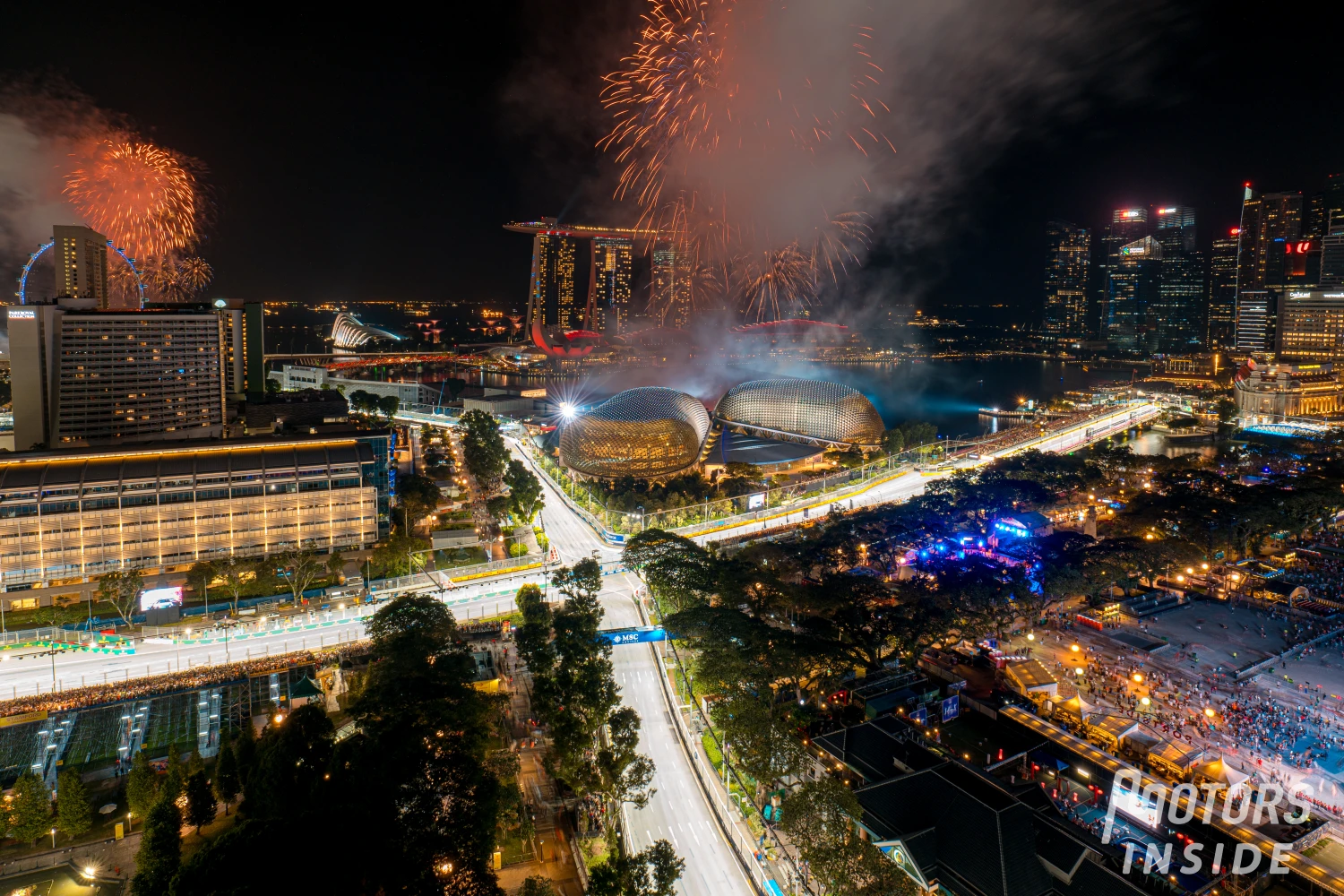
Since the first edition in 2008, Singapore has been able to implement a remarkable process to transform its ultra-modern city center into a Formula 1 circuit in record time. This logistical challenge is the result of a meticulously crafted strategy, reflecting the dynamism and rapid growth of the city-state since gaining independence in 1965. With one of the highest GDP per capita figures in the world, Singapore has established itself as a global economic and social reference point.
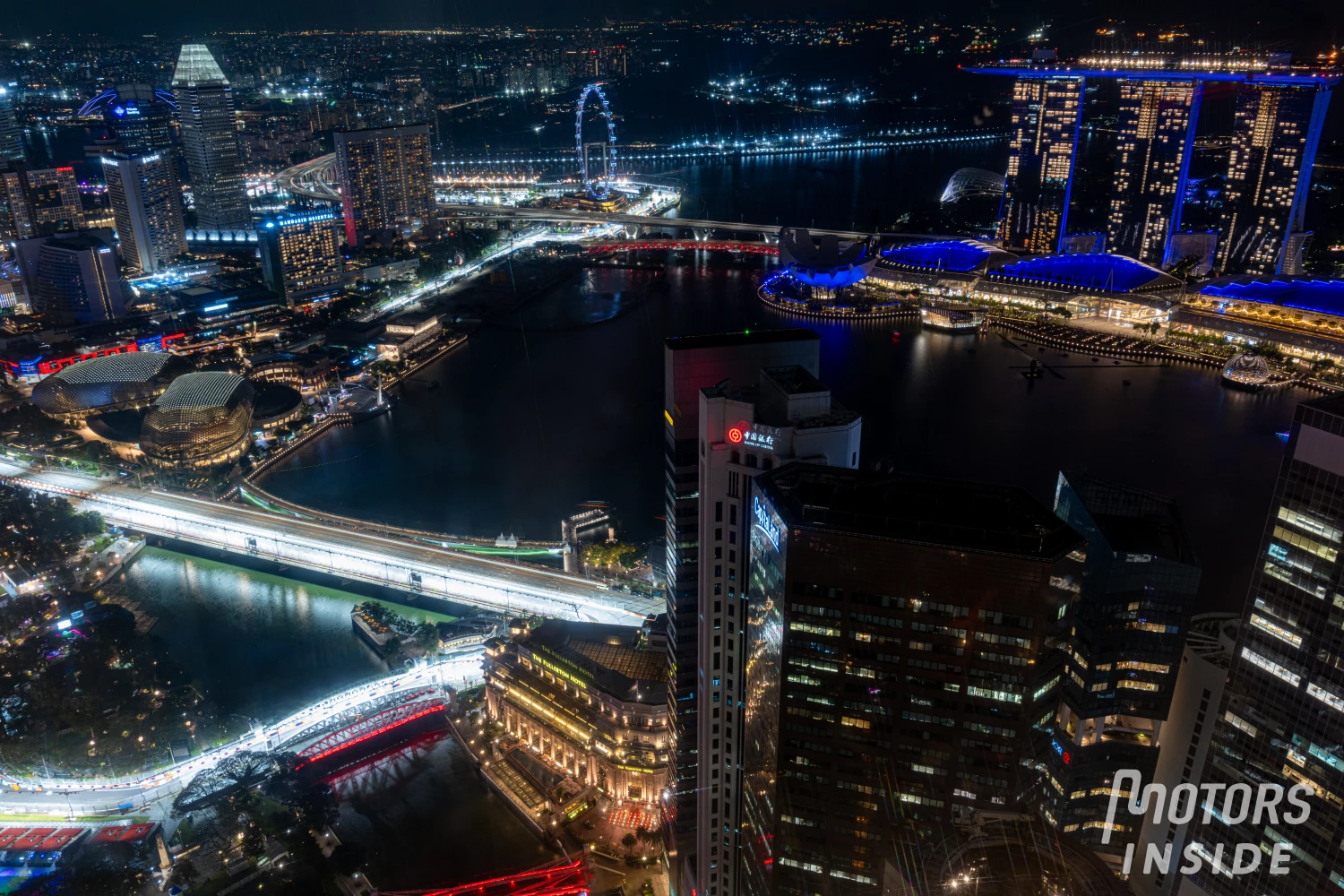
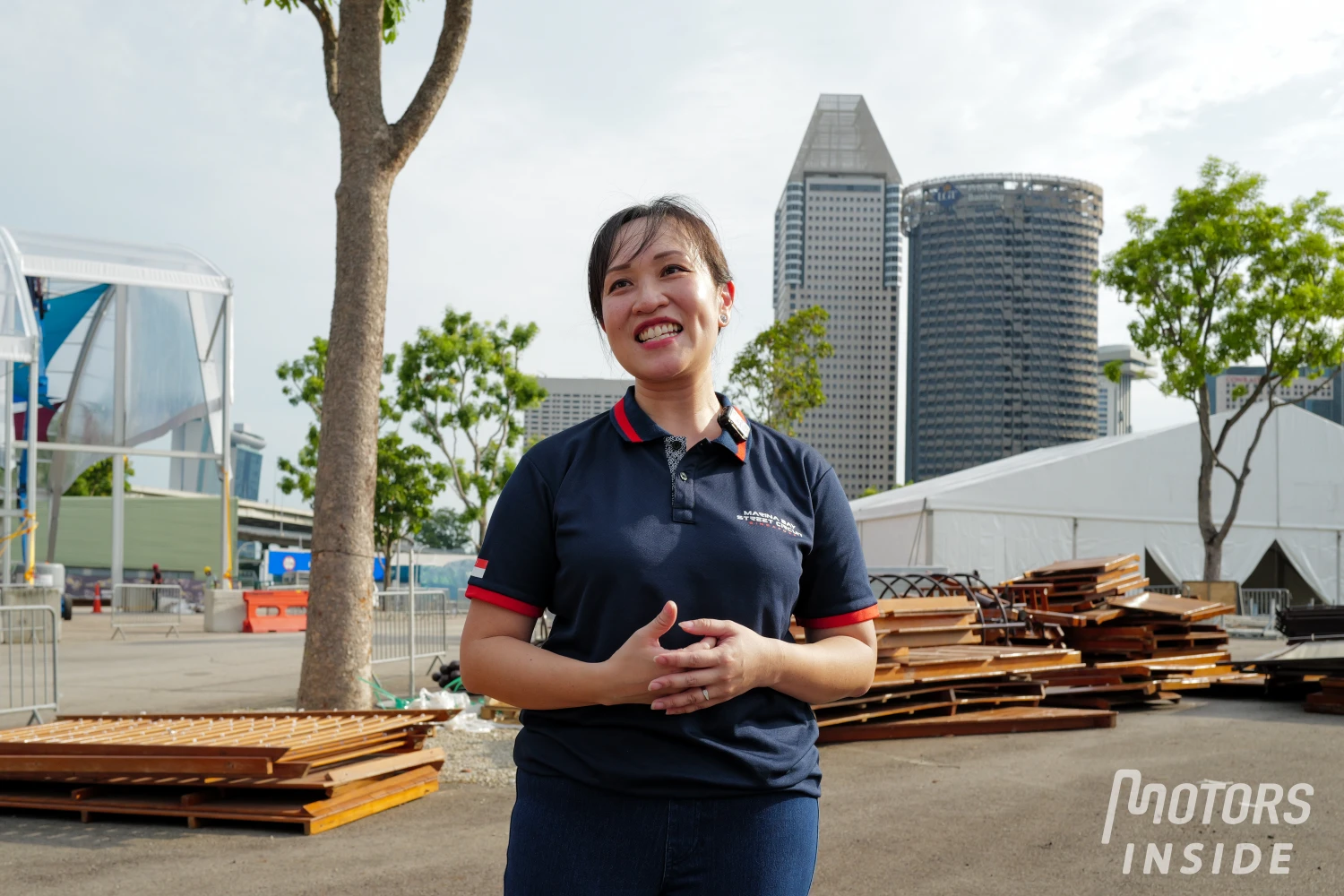
Since then, the Singapore Grand Prix has quickly gained popularity thanks to its unique setting and often spectacular races. The race promoter, Singapore GP Pte Ltd, has been a pioneer in expanding event activities around F1, creating a model that is now being followed. With two music stages hosting the biggest international stars (Black Eyed Peas, Muse, Red Hot Chili Peppers, Shakira, Rihanna, Post Malone…), Singapore has managed to create a multidisciplinary event that attracts not only motor sports fans but also music enthusiasts. This cultural and hospitality offering has inspired other promoters, such as those in Las Vegas, said Yan Ling, Director of Operations, during a media day attended by Motors Inside.

Permanent infrastructures, now integral parts of the city
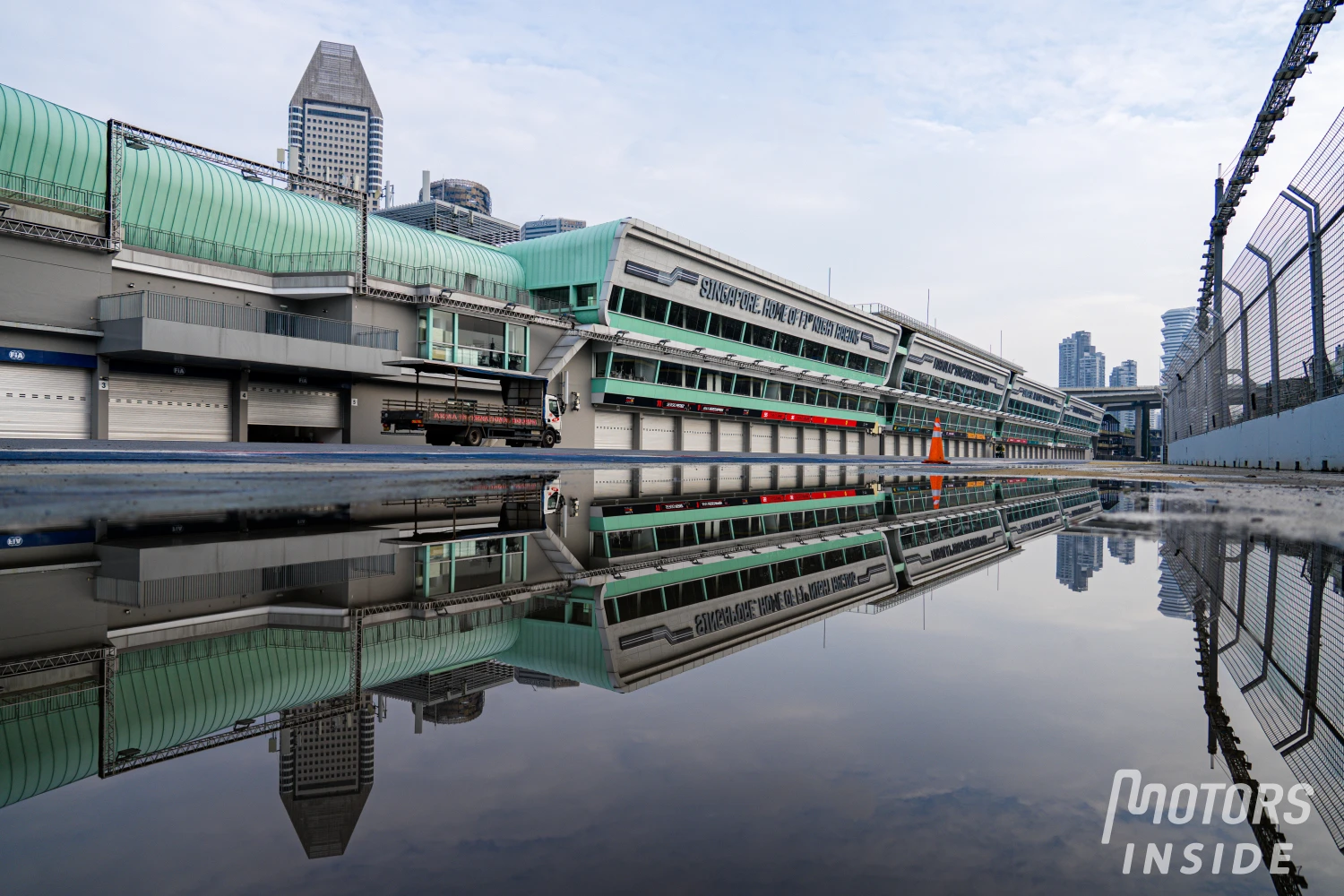
From the very beginning of the F1 project in Singapore, the authorities took a big gamble to make the “F1 Night Race” a success. An initial investment estimated between 150 and 200 million Singapore dollars (105 to 140 million euros) allowed for the construction of permanent infrastructures, including the famous “Pit Building” whose architecture evokes the silhouette of a dragon, a strong symbol in Chinese culture, dominant in Singapore. This building houses the entire paddock, F1 team garages, as well as exclusive hospitality areas. This model has recently been adopted by Las Vegas, with an investment of nearly $200 million US dollars (Source: The Business Times).
A titanic construction
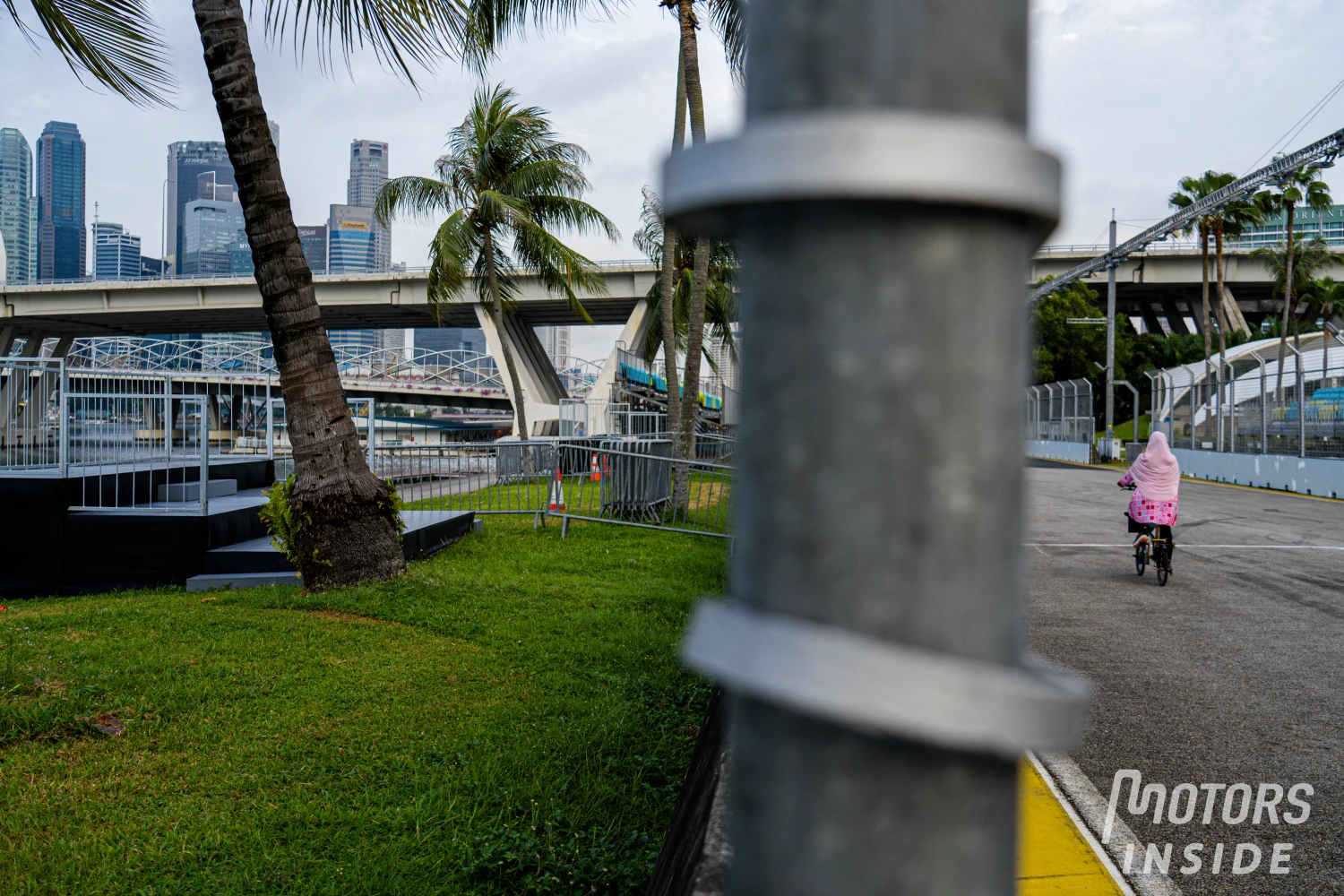
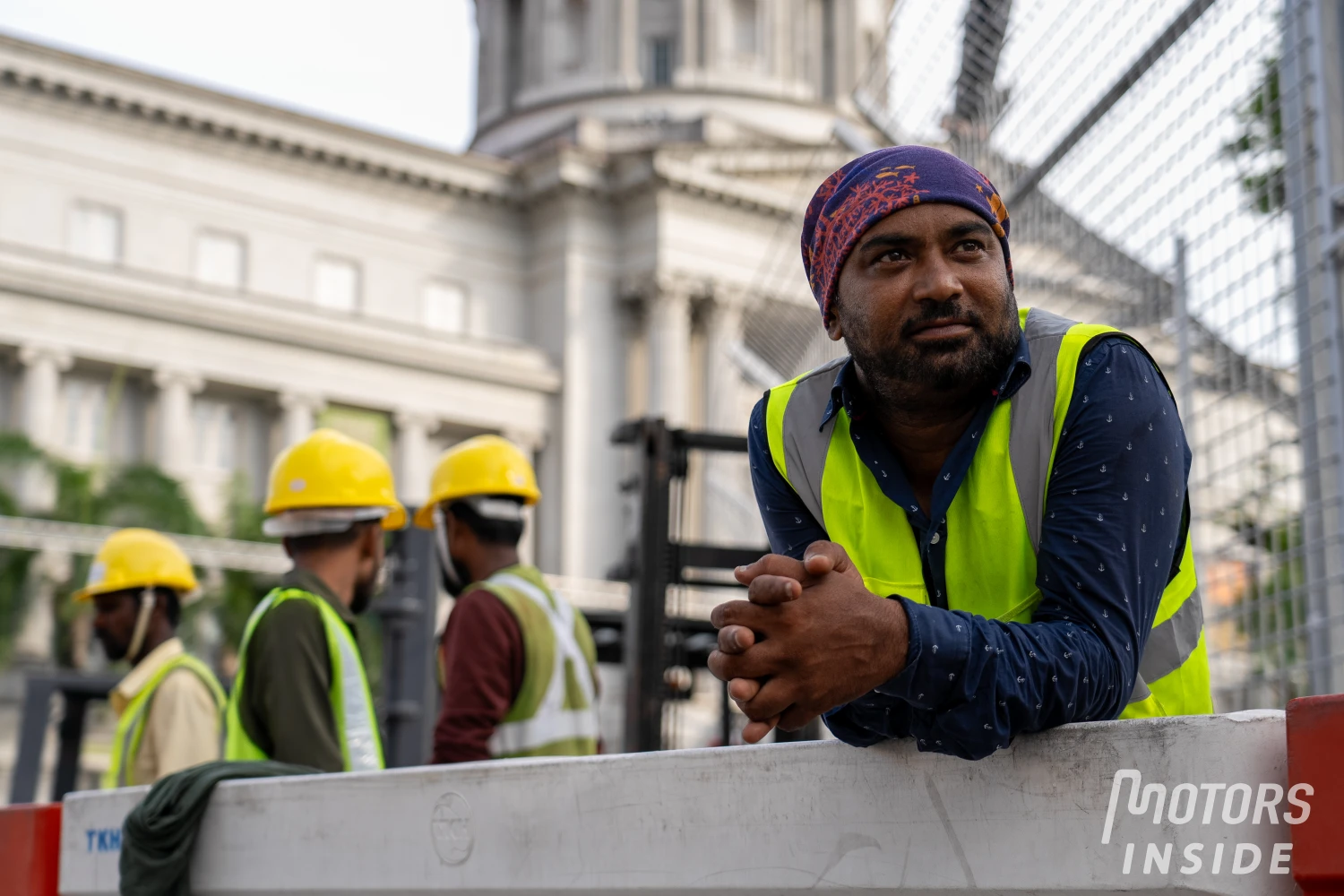
Work on the circuit truly begins in May. Thousands of people are busy assembling the approximately 7,000 barriers, over 100 km of cables, and the 240 steel pylons that line the circuit. This impressive operation mobilizes a workforce mainly from the Indian subcontinent, working in often challenging tropical climatic conditions. These workers, invisible to the public eye, are essential to the success of the event. Their efforts under these extreme conditions deserve to be acknowledged, as they are crucial to ensuring the safety of the drivers and the organization of the race. Last year, Lance Stroll’s crash highlighted the importance of their work, with safety barriers moving back more than 15 cm under the impact’s violence, as Technical Manager Emmanuel Tan told us.
Innovation at the service of sustainability
The organization also uses an Italian company, DZ Engineering, to manage the lighting of the circuit, a technological feat already in 2008 and recently renewed. In 2023, a fully LED lighting system was installed, allowing to reduce energy consumption by 30% (Source: DZ Engineering). In addition, 1,396 solar panels have been installed on the roof of the F1 Pit Building, generating enough solar energy to power the building throughout the race month. These initiatives are part of Singapore’s overall sustainability approach, which holds the FIA’s highest sustainability certification (3 stars).

Committed and pampered volunteers.
Every year, more than 900 marshals are recruited and trained to become race officials, assuming more than 50 different roles, such as track marshals or fire marshals, among others. These volunteers, often loyal year after year, play a crucial role in the smooth running of the event. Singapore actually has the best retention rate for its volunteer marshals. The organization notably offers them tickets for their loved ones, which sets it apart from other races. In 2023, Singapore’s marshals also received the title of “Best marshal team of the year” from the FIA for their exemplary handling of Lance Stroll’s crash during qualifying.