GP – Presentation: Barcelona… a circuit known by all?
The Circuit de Catalunya, near Barcelona, is undoubtedly the track teams test the most each season due to the thousands of kilometers covered each winter. Few circuits on the calendar offer such a variety of medium and high-speed corners. It is an aerodynamic circuit par excellence with few significant braking zones, making overtaking difficult in […]

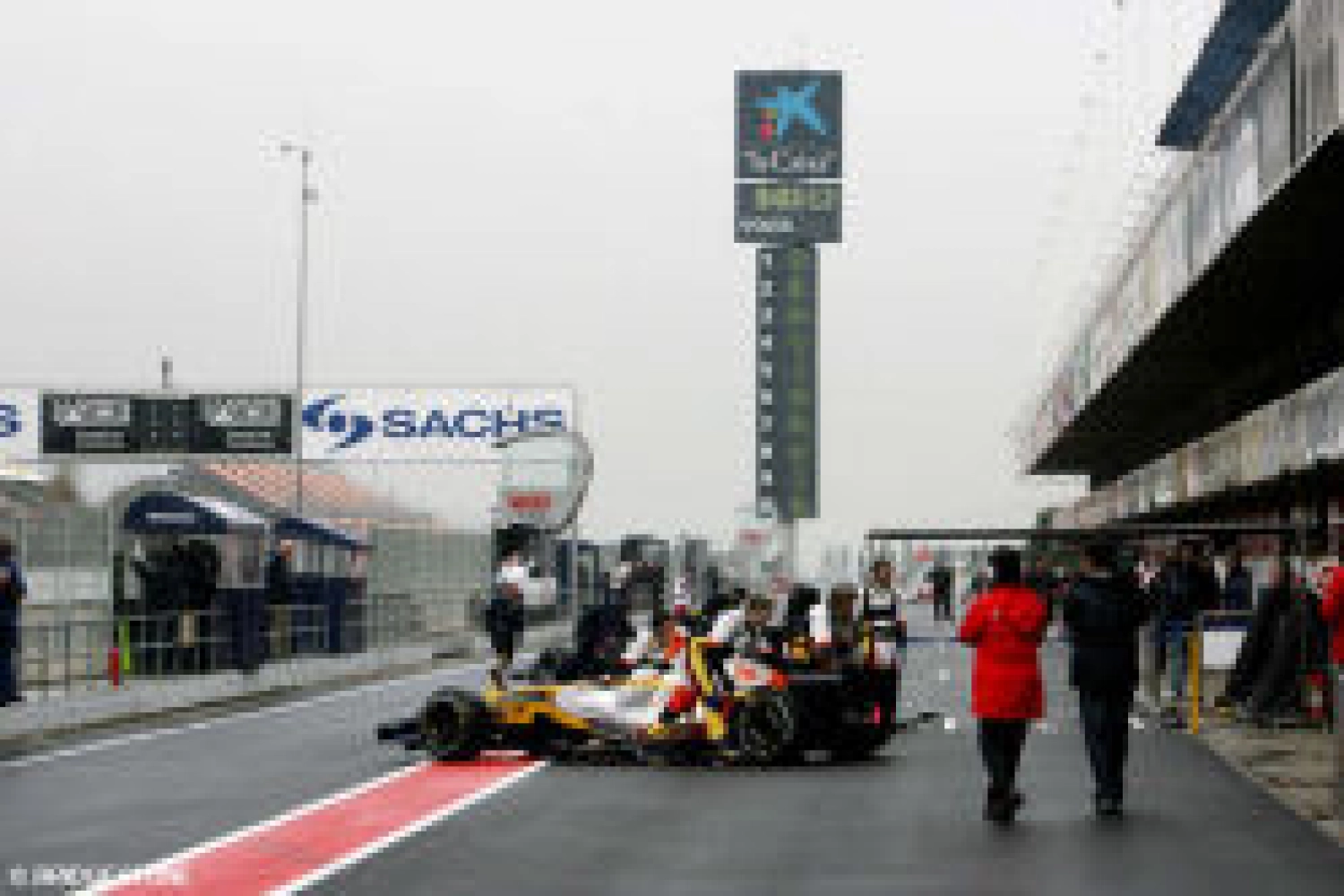
The Circuit de Catalunya, near Barcelona, is undoubtedly the track teams test the most each season due to the thousands of kilometers covered each winter. Few circuits on the calendar offer such a variety of medium and high-speed corners. It is an aerodynamic circuit par excellence with few significant braking zones, making overtaking difficult in Barcelona. A good qualifying performance and precise strategy will therefore be crucial once again this weekend!
Aerodynamics
The aerodynamic efficiency has always been a key factor in Barcelona, even though the new chicane designed last year has altered one of the most critical high-speed sectors, meaning the track is now not as demanding as it once was. However, the Circuit de Catalunya is still the ultimate test for aerodynamic packages, and teams will use a high level of downforce here to ensure the competitiveness of their car throughout the entire lap.
Suspensions
Regarding suspensions, it is once again a matter of finding the best compromise to offer drivers a well-balanced and responsive car. A relatively hard setting will be chosen at the front to have an effective car in quick direction changes, while the rear may be softer to optimize the car’s traction when exiting slow corners. This will be especially important this year with the disappearance of traction control. Ride heights will also be a parameter to consider. There is a tendency to choose a fairly low car to improve its aerodynamic performance.
Engine performance
Barcelona is not known for being a demanding circuit for the engine block, with only 62% of the lap being at full throttle. There are relatively few zones of intense re-acceleration and the engine is generally stressed at mid-range. The goal is to provide drivers with a smooth and progressive engine to ensure good stability of the car and thus limit tire wear.
Tires
The Circuit Catalunya is indeed an aero circuit, but it is also renowned for being particularly demanding on tires due to the many high-speed corners and its abrasive surface. The tires are generally subjected to significant loads, notably the front-left tire, which is particularly stressed in fast corners like turns 3 and 9. As a result, Bridgestone will offer teams the medium and hard compounds from its range. There is no doubt that teams will pay special attention to tire wear and degradation during Friday’s free practice sessions to determine which type will suit the majority of the race.
According to a press release from the Renault F1 Team