A KERS that will not benefit Toyota
Pascal Vasselon, chassis director at Toyota, is convinced that the decision not to equip its cars with the KERS system for the start of the season will be an advantage in terms of performance. Although Toyota continues to develop the kinetic energy recovery system, it plans to introduce it during the season. « We made […]

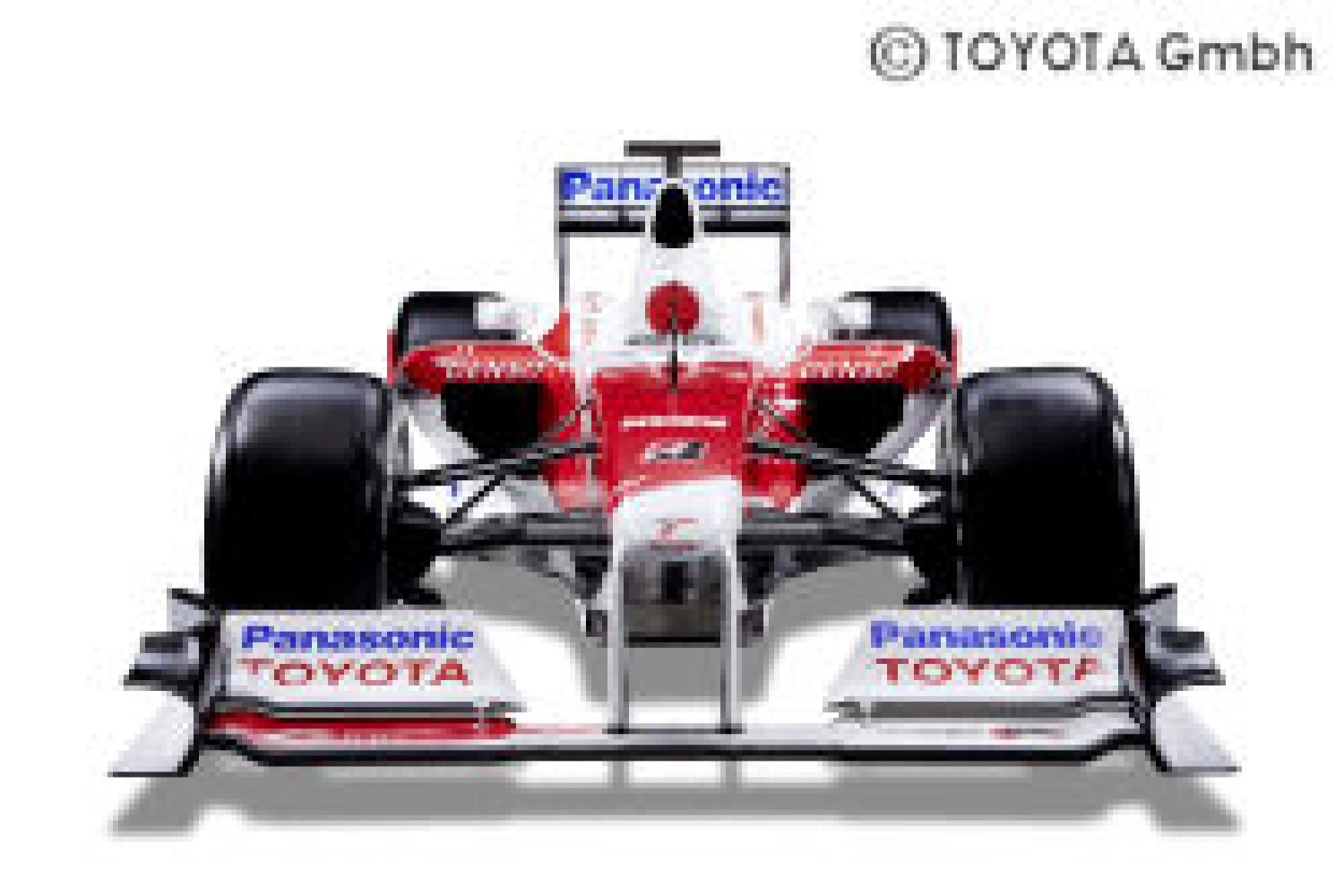
Pascal Vasselon, chassis director at Toyota, is convinced that the decision not to equip its cars with the KERS system for the start of the season will be an advantage in terms of performance.
Although Toyota continues to develop the kinetic energy recovery system, it plans to introduce it during the season.
« We made this decision because we are convinced it would be an advantage. It is not because we are behind in this program that we will underperform at the start of the season. »
« We took into account the performance of the entire package. When you have KERS on the car, you have almost no freedom with the center of gravity. »
« It’s not just a boost of a few seconds because there is an effect on the entire car. That’s why we need extra time to know if there will be a real advantage, » explained the Frenchman.
Vasselon added that Toyota continued to work on the development of its KERS, and that the team could have been running with it since the beginning of the year if they had chosen to do so.
« Our KERS system is running on the test bench, and it is working quite well, » said Vasselon.
« It would have been possible to introduce KERS in a few weeks, but we believe that the general development of the system does not guarantee immediate performance. »
He also described the design process of the TF109 as much more intense due to the new aerodynamic regulations.
« It’s a more intense process and we started thinking about it as soon as we had enough information on the regulations. We started at the end of 2007, which was four or five months earlier than usual. In 2008, we worked constantly on two cars. »