German GP: Strategy Summary
After each Grand Prix, casinoenligne.uk.com offers you a graphic analysis of the different strategies used during the race and reviews the strategy employed by the race winner.

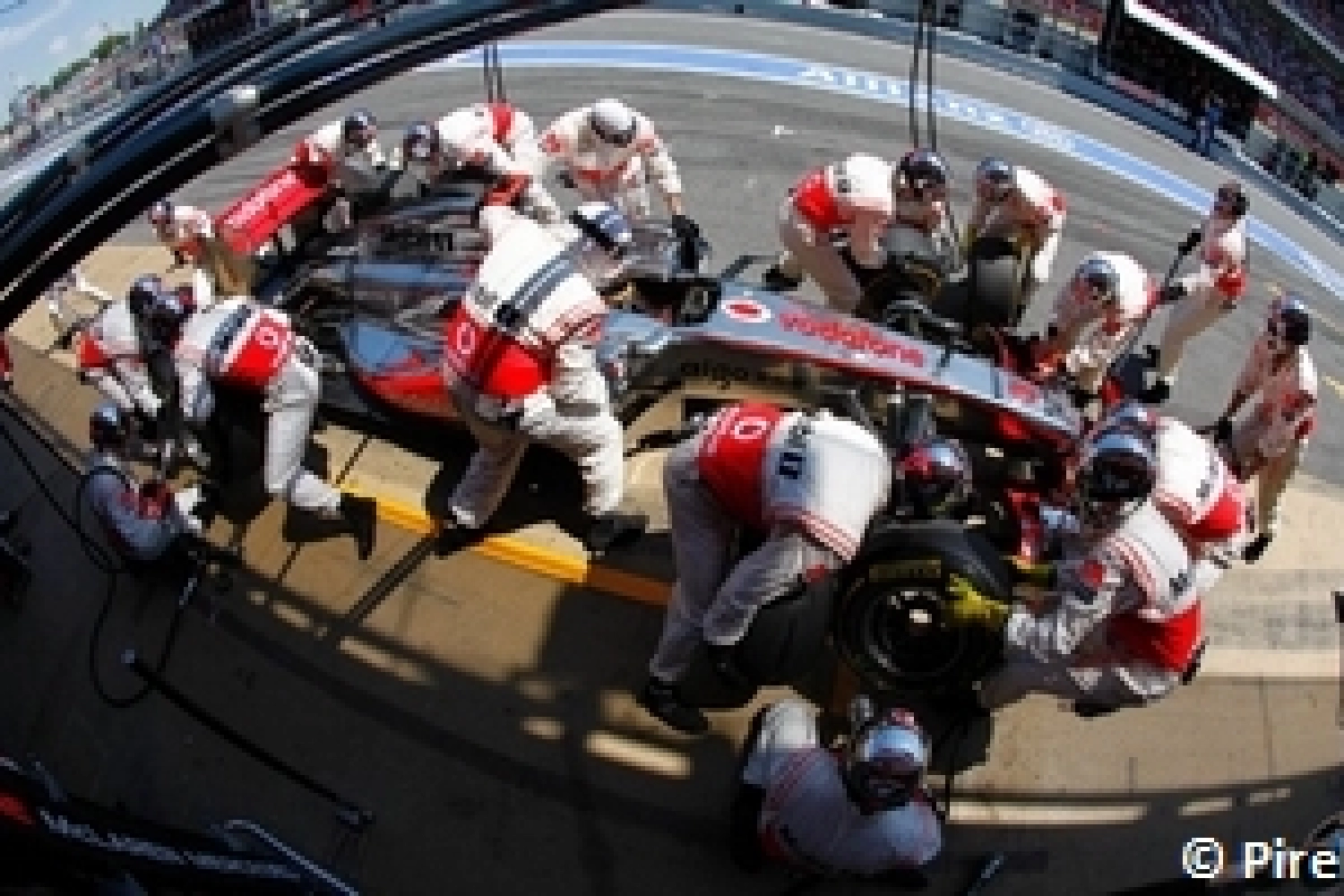
In cooler air and track temperatures, drivers and their teams sought to delay as much as possible the obligation to fit the medium tires offered by Pirelli this week. Thus, we saw Sebastian Vettel and Felipe Massa stop on the penultimate lap to comply with the regulations. The threat of rain also pushed teams to extend stints to avoid a potential additional stop.
And yet, Lewis Hamilton’s victory was partly built during the British driver’s last pit stop when he switched to the hardest tires two laps before Fernando Alonso and five laps before Mark Webber. While the medium tires were between 1.5 and 2 seconds slower than the soft tires, the 2008 world champion used them in the almost ideal window where they matched, or even slightly surpassed, the performance of his rivals’ worn soft tires.
In general, while the three-stop strategy was favored by the teams at the forefront, the mid-field and back-marker teams opted for the two-stop strategy, which notably allowed Adrian Sutil to leave Germany with a solid 6th place, while Kamui Kobayashi once again pulled off a comeback he now seems to have mastered.
Paul Hembery’s Perspective:
The strategy was the key to the race, as we saw with Hamilton, Alonso, and Webber, who all tried to use the pit stops to their advantage. Although some people thought there would be a significant time gap between the soft and medium tires, Lewis Hamilton managed to win the race in style after being the first to switch to the white-sided medium tires.
We once again saw a wide range of strategies, with two drivers even delaying their final stop until the very last lap. Thanks to the mild temperatures and the track surface, we noticed that the tires lasted longer here, which contrasts with the beginning of the year when some people claimed our tires didn’t last long enough.
This highlights not only the speed with which all teams and drivers familiarize themselves with their equipment in Formula One but also the complexity of our work as a supplier. Despite this, we saw three pit stops per car, which is exactly what we aim for.

To better understand this chart, you can use the FIA’s lap-by-lap analysis by clicking here.