Pirelli: the Melbourne circuit lap
Discover the challenges imposed on Pirelli tires by the Albert Park circuit, which will host the Australian Grand Prix this weekend.

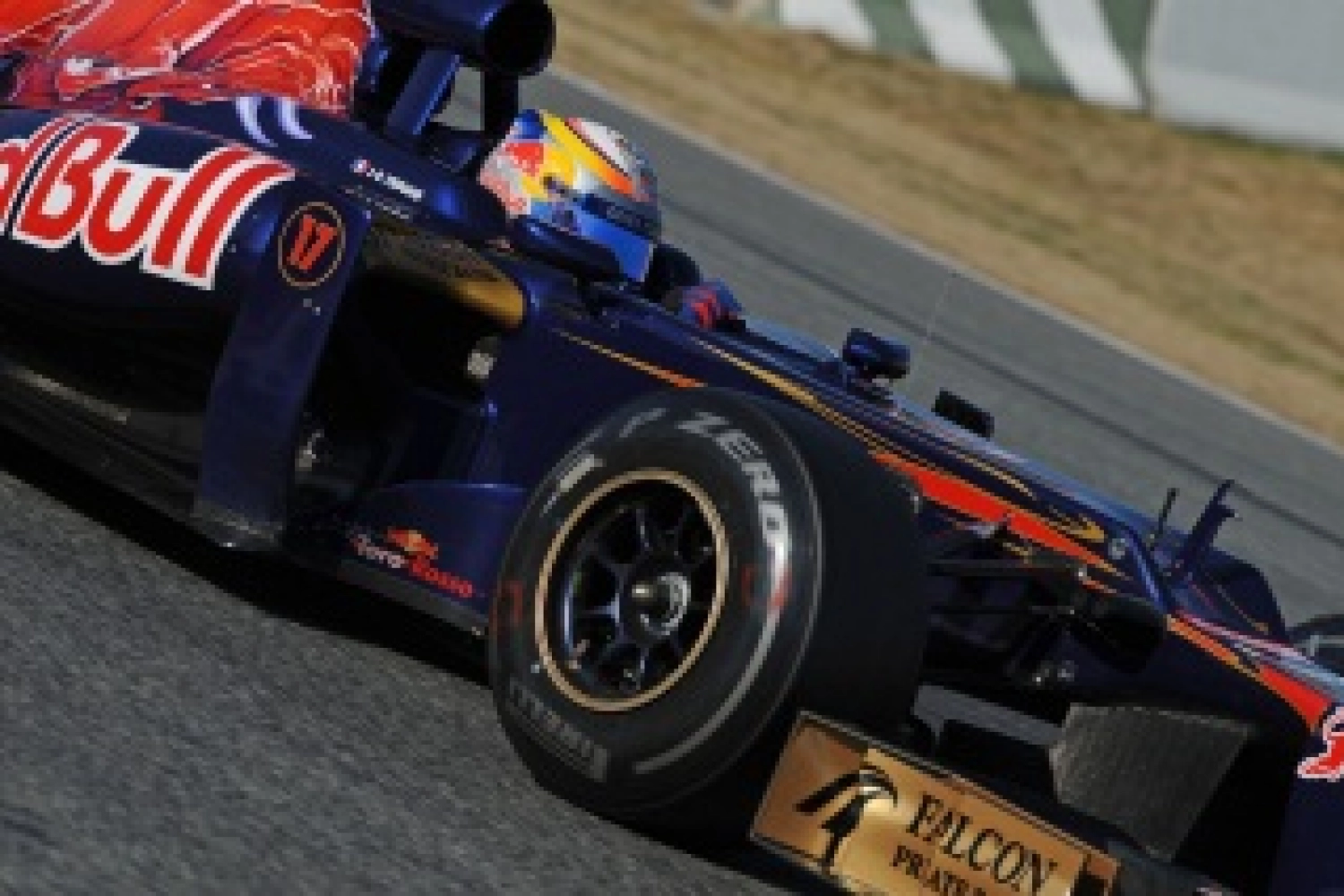
The life of a tire at Albert Park is very different throughout the weekend, as the track progressively gets covered in rubber and gains in speed.
Global grip is the key element on the 5.303 km long semi-permanent circuit. Over this 58-lap race, teams use relatively high levels of downforce, necessary to navigate the swift succession of corners without straights. Oversteer on corner exit is a problem, particularly for the rear tires, whose sliding can cause premature wear; the front-left tire, on the other hand, undergoes a significant amount of tension during the lap.
Turn 2 is a particularly demanding place for tires. Drivers lose 200 km/h in 2.5 seconds (over 108 meters of braking), subjecting the front tires to 5G of forces during deceleration, imposing 1150 kg of downforce.
Turns 11 and 12 are crucial spots at Albert Park. The exit speed of the turn is around 210 km/h. The front tire bearing the load on the outside of the curve reaches 105°C, while the inside front tire (right) is slightly less stressed and operates at about 100°C. The rear tires, on their part, operate at temperatures above 100°C.
The braking zone between turns 14 and 16 is also significant, heavily loading the front of the cars right before the chicane, with a tight right-hand steering angle before the main straight. It is the only place on the track where the F1 cars reach 300 km/h in seventh gear, and it’s also where the left-front tire reaches its peak temperature.
[From the official Pirelli press release]