Thursday: the Pirelli Super Soft made its debut in 2012
As usual since the start of the season, the teams used the hardest tires offered by Pirelli - here the Softs - during Free Practice 1. However, the Super Soft tires soon made their appearance in Free Practice 2 for the first time this season, but they quickly had to give way to the Intermediate tires once the rain arrived.

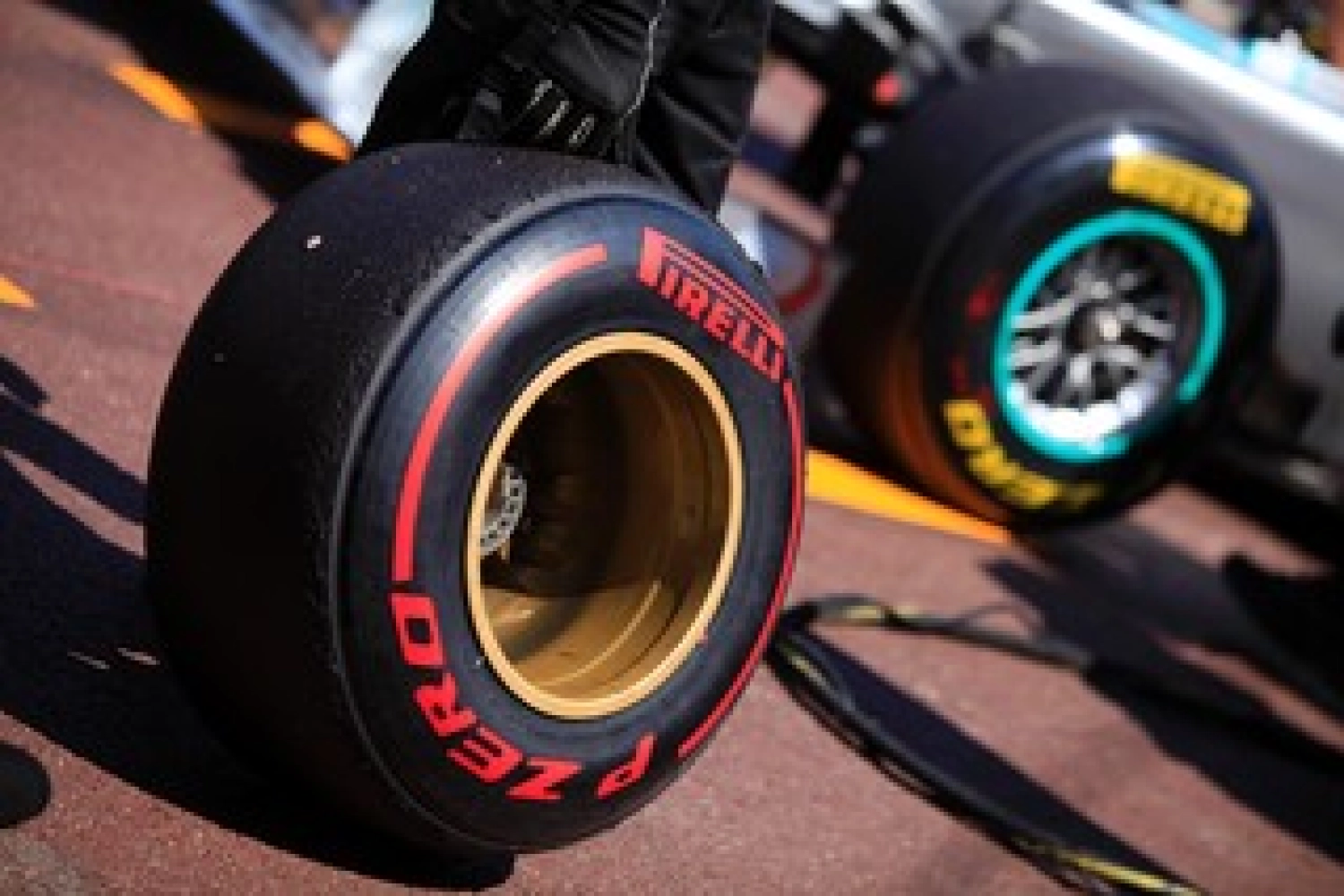
The Pirelli P Zero supersoft tire specifically designed for the narrowness and winding nature of urban circuits like Monaco made its debut in the Principality with the fastest time recorded by McLaren driver Jenson Button. The Briton set a time of 1:15.746 with the softest compound.
The supersoft is the only compound that hasn’t changed since last year, although its profile is still different. As usual, everyone focused on the soft compound in the morning, with tuning work in Free Practice 1 in mind. The teams then moved on to race and qualifying simulations in Free Practice 2, but scattered rain announced the entry of the Cinturato Green intermediate tire. The drivers waited for the weather to improve to continue their programs, but more rain in the last ten minutes forced the majority of the field to switch to intermediates.
In the morning, it was the Ferrari driver and co-leader of the championship, Fernando Alonso, who was the fastest with a time of 1:16.265 on the soft P Zero Yellow tires, a time that eclipsed last year’s Free Practice 1 benchmark by nearly four-tenths of a second. The first session was concluded early, 10 minutes ahead of schedule, due to a technical problem on Heikki Kovalainen’s Caterham, which spread oil in the tunnel.
Conditions warmed up in the early afternoon for the second session, on a track offering much more grip than in the morning, due to the rubber deposited on the track. Monaco being a pure street circuit that is raced only once a year, the evolution of the track is considerable over the weekend, and times generally improve by more than three seconds between the first free practice on Thursday and the qualifying on Saturday.
The tire wear is always low on the slowest and least abrasive track of the year, meaning the soft tire should last 50 laps or more on Saturday. The Super Soft, which recorded the fastest qualifying lap ever in Monaco, will deliver its peak performance in only one or two laps on Saturday, making the session crucial as always on a circuit where overtaking is notoriously difficult.
Paul Hembery, Director of Pirelli Motorsport: « Out of our entire tire range, the Super Soft is the least used tire by teams so far, and it was very important for them to go out on the track and expand their knowledge of it in the truly unique conditions of Monaco. Unfortunately, the changing weather conditions meant that most of the field couldn’t compare the softs to the supersofts as much as they wanted, and Saturday’s testing will be very important with full fuel loads. We have a lot of data to analyze, but we expect to see the soft tire last about 50 laps and the supersoft about 35, with a difference of about one second per lap between the two compounds. This will make strategy very important in the equation, with the key to qualifying being to find a clear lap, but this is not obvious. The supersofts heat up quickly, and then it’s up to the driver to make the difference. But even in Monaco, we’ve seen that a good tire strategy can help drivers regain positions if they’re far down the grid. »
Number of trains used:
– Super Tendre: 15
– Tendre: 48
– Intermédiaire: 24
– Pluie: 2
Greatest number of laps per compound:
– Super Tendre: 5 tours
– Tendre: 17 tours
– Intermédiaire: 13 tours
– Pluie: 1 tour
The Pirelli Fact of the Day: For a tire, the “warm-up” is the time required to reach their optimal operating window, approximately at 95°C (at the tire surface), in the case of the P Zero Red supersoft. This is the compound with the fastest warm-up, which can be achieved in just one lap in Monaco. The entire tire is influenced by heat. The air inside the tire expands with the heat and increases the pressure up to 6 psi to ensure perfect rigidity and optimal contact surface.
[i][From the press release published by Pirelli][/i]