There will only be one DRS zone in Montreal
The FIA has decided not to renew the double DRS zone established in 2011 for the Canadian Grand Prix. Therefore, drivers in Montreal this weekend will have only one DRS zone, 600 meters long, located on the straight before the chicane and the pit entrance.

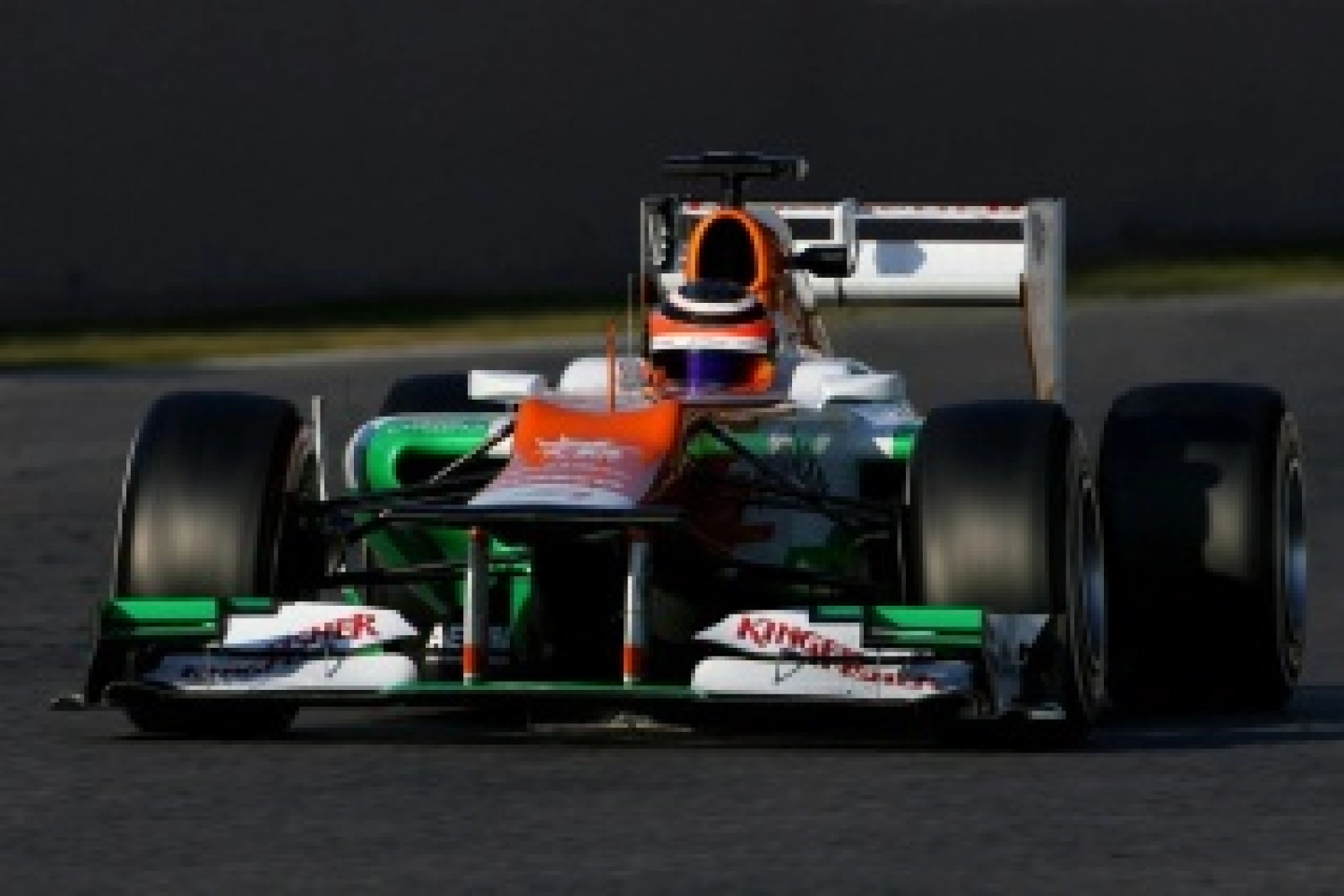
In 2011, the International Automobile Federation, after a promising start to the season for the drag reduction system, decided to innovate at the Canadian Grand Prix by proposing a double DRS activation zone, with a single detection point located at the exit of the hairpin turn at the Gilles Villeneuve circuit. Thus, a driver who made an overtaking move in the first activation zone—located just before the chicane and the pit entry—could still activate the rear wing in the second zone, situated on the start/finish straight, allowing them to distance themselves from the driver they had just overtaken.
For 2012, the FIA decided to establish only one DRS zone, in the long straight leading to the pits. Detection will take place at the exit of the hairpin at turn 10, as it was last year, but activation will only be possible 600 meters from the braking zone of chicane 13, which is 50 meters after the position defined in 2011. Gianpaolo Dall’Ara, head of track operations at Sauber, does not expect this to make a big difference because it is normally possible to overtake on the Montreal circuit.
Introduced in 2011, the DRS system allows adjustments to the angle of the rear wing on Formula One cars, enabling drivers to gain top speed. Completely free to use during Free Practice and Qualifying, except for a few rare exceptions like under the Monaco Tunnel, in a race, the DRS can only be activated in a specific zone defined before the event and only if the driver is within one second of the car ahead.