Ban on interconnected suspensions in F1: What are the implications?
The FRIC system could soon be banned in Formula 1, as early as the German Grand Prix. Such a decision could bring significant changes, especially for the most advanced teams.

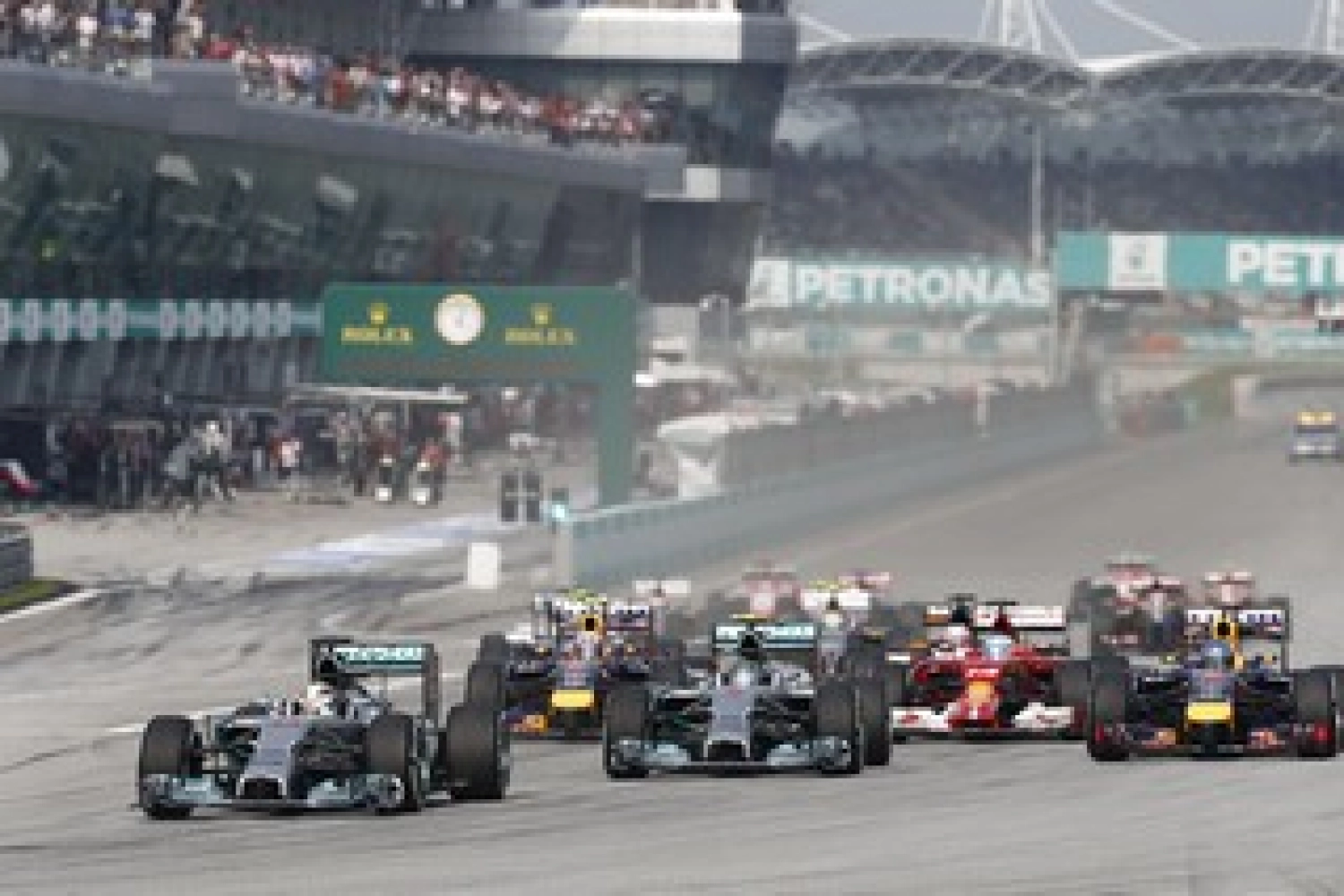
The announcement of the illegality of the interconnected suspension system (FRIC) by the FIA and especially the announcement of a possible ban starting from the German Grand Prix (from July 18 to 20) raises the question of the implications of such a decision.
The issue posed by the ban of this system is the time required for teams to backtrack, especially since most of the single-seaters have been designed with or even around these suspensions. In this regard, Craig Scarborough, a specialist in Formula 1 technology, explains to our British colleagues at Autosport that some teams—Mercedes, Ferrari, Lotus, or Marussia—adopted the FRIC system very early, while others are only in their second or first season of using it.
The replacement of the system with a disconnected device between the front and rear is accompanied by a number of modifications, more or less significant, concerning the car’s ride height and the mechanical and aerodynamic settings, explains C. Scarborough. Additionally, teams with a system developed over several seasons do not necessarily have the parts and spaces on the car that allow for such a change. It’s the extremely low ride height at the front of the single-seaters that FRIC offers to the teams, which should largely be reconsidered, to avoid excessive wear on certain parts, such as the legally prohibited jabroc skid.
The increased ride height will inevitably require a revision of the front wing, the floor, and the underbody: these parts, being the first in contact with the airflow, are the ones that determine the aerodynamic philosophy of the single-seater. A major change like the banning of interconnected suspensions will force teams to rework at the risk of the car losing downforce and suffering from balance changes at different speeds, explains Craig Scarborough.
From a security standpoint, the British journalist tempers the risks: It could be argued that a hasty ban on FRIC could be dangerous, but it is probably more accurate to say that the change will compromise the handling of the cars and the teams’ ability to anticipate it. However, there shouldn’t be the significant effects seen during the ban on active suspensions in 1994.
From the Silverstone tests, the teams had the opportunity to test – similar to Sauber F1 – a configuration without FRIC. The question will be whether the ban on interconnected front/rear suspensions could shake up the hierarchy and notably challenge the dominance of Mercedes over the season.
For Craig Scarborough, such a scenario is unlikely: « In every rule change, there will be winners and losers, and the teams […] that have spent more time and designed the car around the FRIC will suffer the most. Those that are at the beginning of the learning curve will be able to revert more quickly and will likely have the car equipped to run without the FRIC. […] As always with F1, it’s the teams with resources and the budget that will adapt the fastest to the change, regardless of their FRIC system. It is unlikely that this will end Mercedes’ domination this season, or that it will have a huge effect on the hierarchy behind. »