2014 Belgian Grand Prix F1: Strategy Summary
After the Belgian F1 Grand Prix, won by Daniel Ricciardo ahead of Nico Rosberg and Valtteri Bottas, find the analysis of the tire strategy.

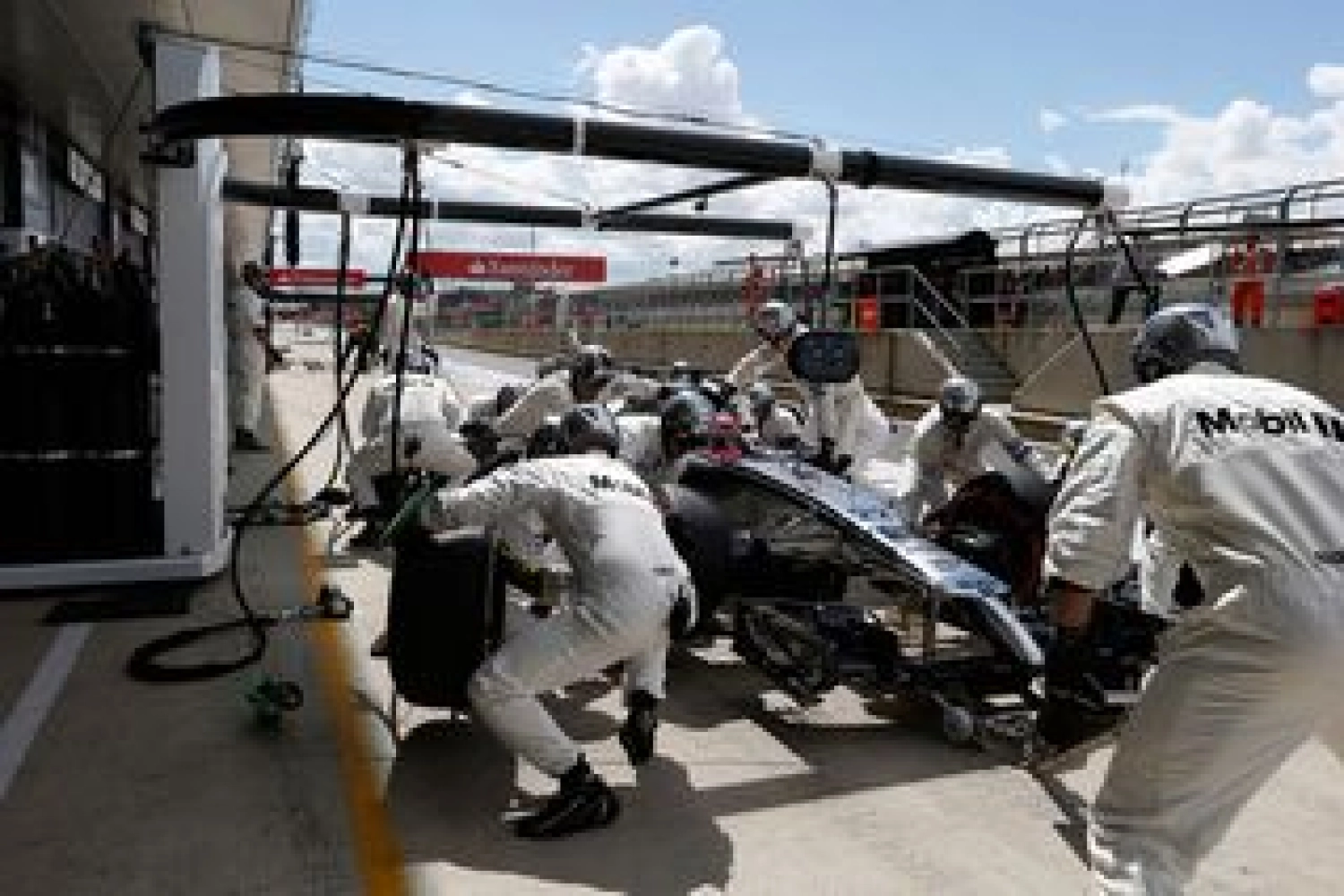
Pirelli predicted before the race that the ideal strategy would be two pit stops, with the first two stints on soft tires and the last stint on medium tires. Out of the 18 classified drivers, 10 used this exact strategy.
2 stops
14 drivers employed a two-stop strategy. Among them were the winner of the Grand Prix, Daniel Ricciardo, and the third-place finisher, Valtteri Bottas. This choice was also made by most of the top 10 since Räikkönen, Button, Alonso, Perez, Kvyat, and Hülkenberg only pitted twice.
Among the top 10 entrants, only Nico Hülkenberg differentiated his strategy by running the second stint on medium tires to finish on softs. Outside the top 10, Vergne, Chilton, and Ericsson followed this order. The other top 10 drivers with two stops, as well as Gutierrez and Bianchi, adopted the ideal described by Pirelli.
3 stops
Four drivers, only, attempted a more aggressive strategy, including Nico Rosberg. He faced several race circumstances that led him to switch tires more quickly than expected during the second stint and to go all-in at the end of the race with a set of soft tires. The performance of his W05 Hybrid allowed him to use such a strategy, despite unfavorable race conditions.
At the same time, Sebastian Vettel – the second and last member of the top 10 on a three-stop strategy – had a rather promising start to the race, with the possibility of aiming for a podium. However, it soon became clear that he wasn’t completely comfortable, forcing him to change tires once more than usual.
Massa and Sutil are the two other drivers who completed a race with four stints: the first was hampered by debris for a large part of the race, and the second was driving a car that was not very competitive.