2014 Italian Grand Prix F1: Strategy Summary
After the Italian Grand Prix of F1, won by Lewis Hamilton, ahead of Nico Rosberg and Felipe Massa, find the analysis of the tire strategy.

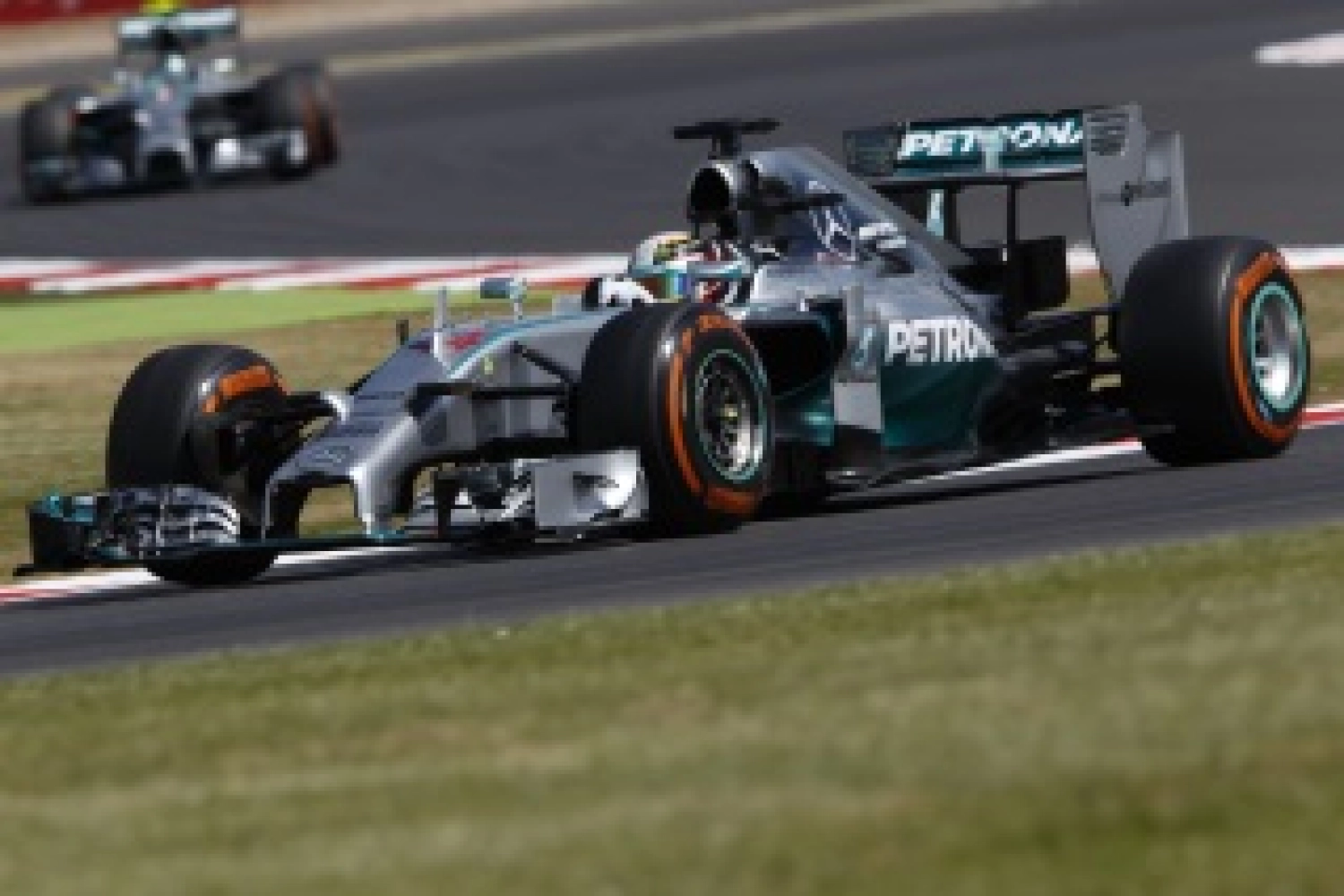
Pirelli predicted, before the race, an ideal one-stop strategy. The least that can be said is that the Italian brand was not wrong, on a circuit where preserving the tires is easy.
1 stop
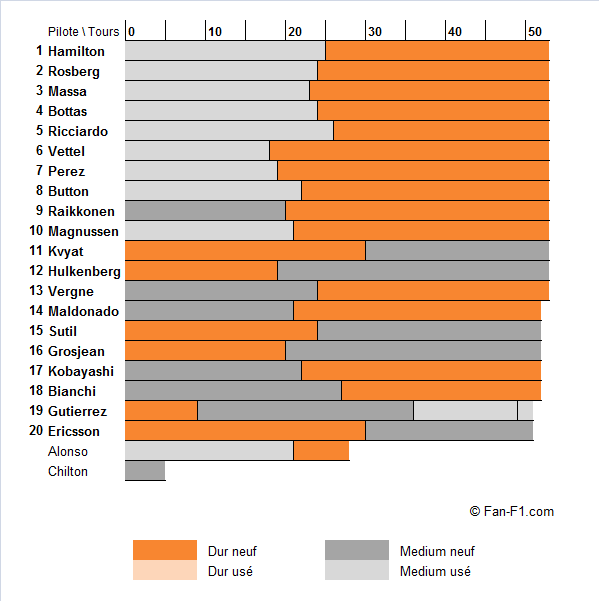
Of the 20 classified drivers, 19 used a one-stop strategy. According to Pirelli, two patterns were possible: the first was to start on medium tires. Obviously, all the top 10 drivers in qualifying (who are nine in the top 10 at the finish after Alonso’s retirement) necessarily started with the softest tires. They weren’t the only ones, as Räikkönen, Vergne, Maldonado, Kobayashi, and Bianchi did the same.
The real adjustment variable in this configuration was the timing of the stop: Vettel stopped first, followed the next lap by Pérez. For the German, this choice paid off immediately by allowing him to overtake his direct competitors, but it also exacerbated the degradation of the hard tires towards the end of the race, preventing him from holding off Ricciardo. All other drivers who started on mediums stopped on the 20th lap or later, as Pirelli had anticipated.
Five drivers, all starting outside the top 10, chose the second strategy offered by the Italian manufacturer: starting on hard tires. In this case, the idea was to extend the first stint as much as possible to take advantage of the difference and be able to attack at the end of the GP. In this strategy, only Kvyat managed a convincing result: starting 21st, he stopped on the 30th lap to switch to mediums. He missed out on the points due to a brake problem. Ericsson also held out for 30 laps on hards before stopping, without particularly shining. Hülkenberg, Sutil, and Grosjean stopped around the same time, or even before, as the drivers who started on white tires.
3 stops
Esteban Gutierrez is the only classified driver to have made more than one pit stop. His first stint on hard tires lasted only 9 laps. He then returned to the pits twice, one of which was due to contact with Grosjean on the 48th lap, which caused a puncture.