Official: FIA announces new engine regulations for 2017
The FIA has announced that an agreement has been reached with F1 engine manufacturers to improve power units from the 2017 season onwards. Several key factors are involved.

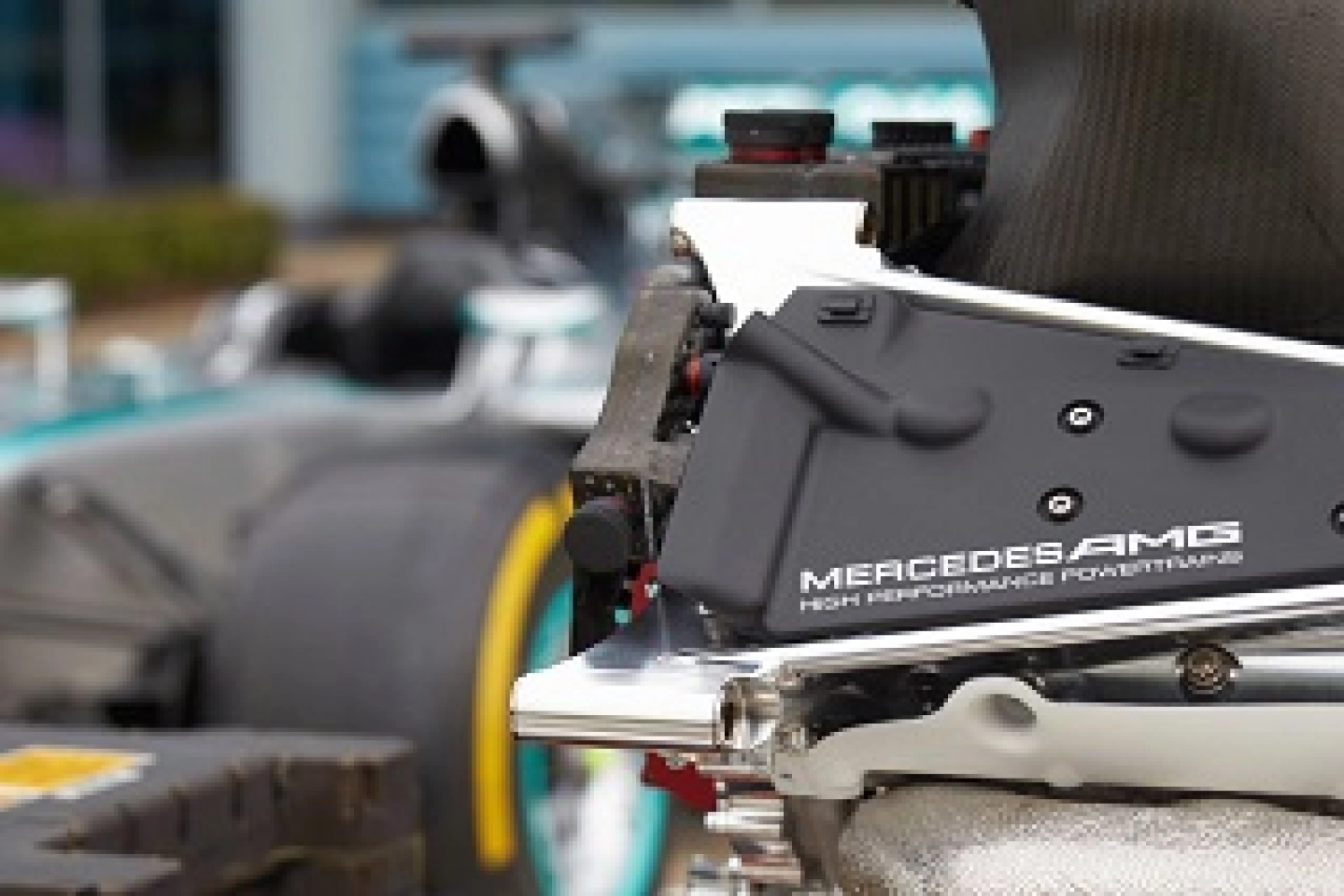
On the sidelines of the Russian Grand Prix, taking place this weekend at the Sochi track, the FIA officially announced that new regulations regarding power units would come into effect in 2017.
This regulation, which was voted on by the main engine manufacturers present in F1, namely Mercedes, Ferrari, Renault, and Honda, and validated by the World Motor Sport Council, will have to take into account several factors that have been pointed out recently by teams and the public:
The cost: It will need to be significantly reduced to allow better access for customer teams. Specifically, in 2017, the price of a power unit will need to be reduced by one million euros. In 2018, this reduction will have to reach 3 million euros.
The offer: To avoid a situation like Red Bull’s last year, a clause during homologation will require engine manufacturers to supply a team that finds itself without an engine. A lottery system could be implemented to determine which of the four manufacturers would supply the team without an engine.
The performance: Starting in 2017, the development token system will be abolished. In return, constraints regarding weight, dimensions, and materials will be introduced next year and strengthened in 2018.
**The noise:** The manufacturers have committed to developing a research program on engine noise, with results expected by 2018 at the latest.
No changes are to be expected regarding the engine’s structure, which should remain a V6 Turbo for a few more seasons. The FIA also confirms that in 2017, only three engines per driver will be allowed.