Mercedes to use latest powertrain specification in Australia
With the Australian Grand Prix fast approaching, Mercedes has just confirmed that it will be using the latest specification of its power unit, despite some concerns about reliability.

Since the Barcelona tests, Mercedes has been the subject of much speculation regarding a possible issue with the crankshaft of its 2017 engine, which could have forced the German team to revert to a previous specification. However, a high-ranking source from Mercedes has dismissed these concerns. The world champion team will therefore not change its plan and will provide its team and its customers, Force India and Williams, with the latest specification of its power unit, which was assessed during the last pre-season tests.
The new engine regulation, which allows manufacturers to freely develop their engines, has enabled the German manufacturer, like others, to thoroughly revise its strategy. Rumors suggest that Mercedes gained nearly 70 horsepower, but this was not evident in their performance during testing. It seems, however, that Mercedes used a conservative mapping in Spain, allowing them to test some experimental parts while preserving other components that they deemed unnecessary to use to their full potential.
With the new regulations, even if some parts of the power unit are not perfect, it is largely possible to improve it later in the season since the token system, which limited developments, no longer exists. The use of a conservative setup was also mentioned by Renault, which did not want to handicap its teams more than necessary with the ERS issues encountered with the French power unit.
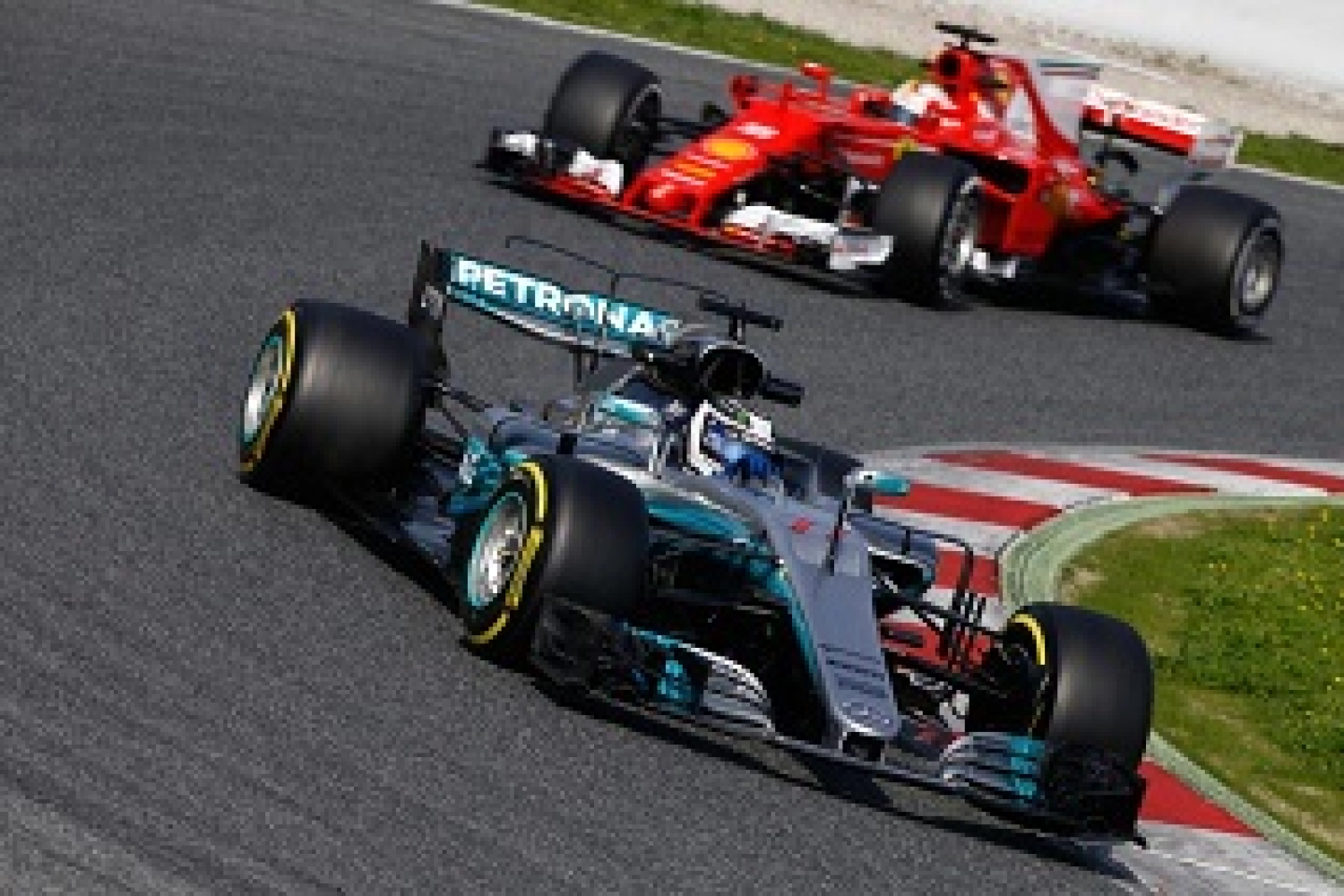
If Mercedes were actually running with a conservative mapping, it could explain why Ferrari, which only used a single engine block during the two weeks of testing, seems to be more performant; but it could also explain a turnaround in Melbourne, if Mercedes decides to use its engine to its full potential.
However, Mercedes might consider it dangerous to use the engine at full power at the start of the season. Its true potential might not be known until a few races in, once the first power unit is tested.